Read AVR Microcontroller ATmel ATmega164
The AVR ATmega164 microcontroller is a robust 8-bit MCU widely adopted in industrial control systems, medical instrumentation, automotive electronics, and smart consumer devices. With integrated flash memory, EEPROM, SRAM, communication peripherals, and flexible clock architecture, this chip provides a stable platform for embedded program execution and long-term product deployment. Because many systems built on the ATmega164 remain operational for years, proper firmware lifecycle management has become increasingly important.
In most professional designs, firmware, configuration data, and calibration parameters are stored across flash and EEPROM memory regions. The source code is compiled into a binary or heximal file before being programmed into the MCU. To protect intellectual property, manufacturers typically enable secured lock bits that prevent unauthorized readout or copying of the program memory. These protected configurations help ensure that proprietary algorithms, communication stacks, and control logic remain encrypted and inaccessible through standard interfaces.
While these safeguards are essential for IP protection, challenges may arise during maintenance, product upgrades, or supply chain transitions. For example, if development archives are incomplete or original design teams are unavailable, organizations may struggle to locate accurate firmware files or documentation. A locked or secured microcontroller can complicate validation, debugging, or hardware replication for authorized internal use. In highly regulated industries, verifying firmware integrity and ensuring continuity of operations is critical to maintaining compliance and operational safety.
Technically, managing embedded firmware assets requires disciplined processes. Flash memory may contain the primary application program, bootloader segments, and protocol stacks, while EEPROM stores runtime data and device-specific configuration values. Without structured version control, secure backup archives, and documented source code repositories, the embedded data inside a chip can effectively become the only surviving copy of critical intellectual property. Recovering, validating, or migrating that information—when done lawfully and with proper authorization—demands specialized expertise in microcontroller architecture and memory mapping.
Our services focus on authorized firmware auditing, structured archive reconstruction, and secure lifecycle management for ATmega164-based systems. We assist organizations in organizing firmware files, validating binary builds against documentation, planning controlled replication strategies for legacy hardware, and preparing migration paths to newer microprocessor platforms. By combining technical depth with strict confidentiality and compliance standards, we help clients protect their firmware investments, reduce operational risk, and extend the usable lifespan of embedded products—without compromising security principles.
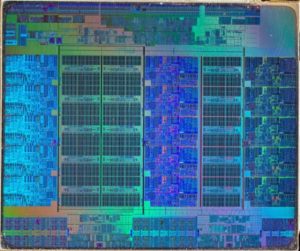
We can Read AVR Microcontroller ATmel ATmega164, please view the ic chip below for your reference:
Features
· High-performance, Low-power AVR® 8-bit Microcontroller
· Advanced RISC Architecture
– 131 Powerful Instructions – Most Single-clock Cycle Execution
– 32 x 8 General Purpose Working Registers
– Fully Static Operation
– Up to 20 MIPS Throughput at 20 MHz