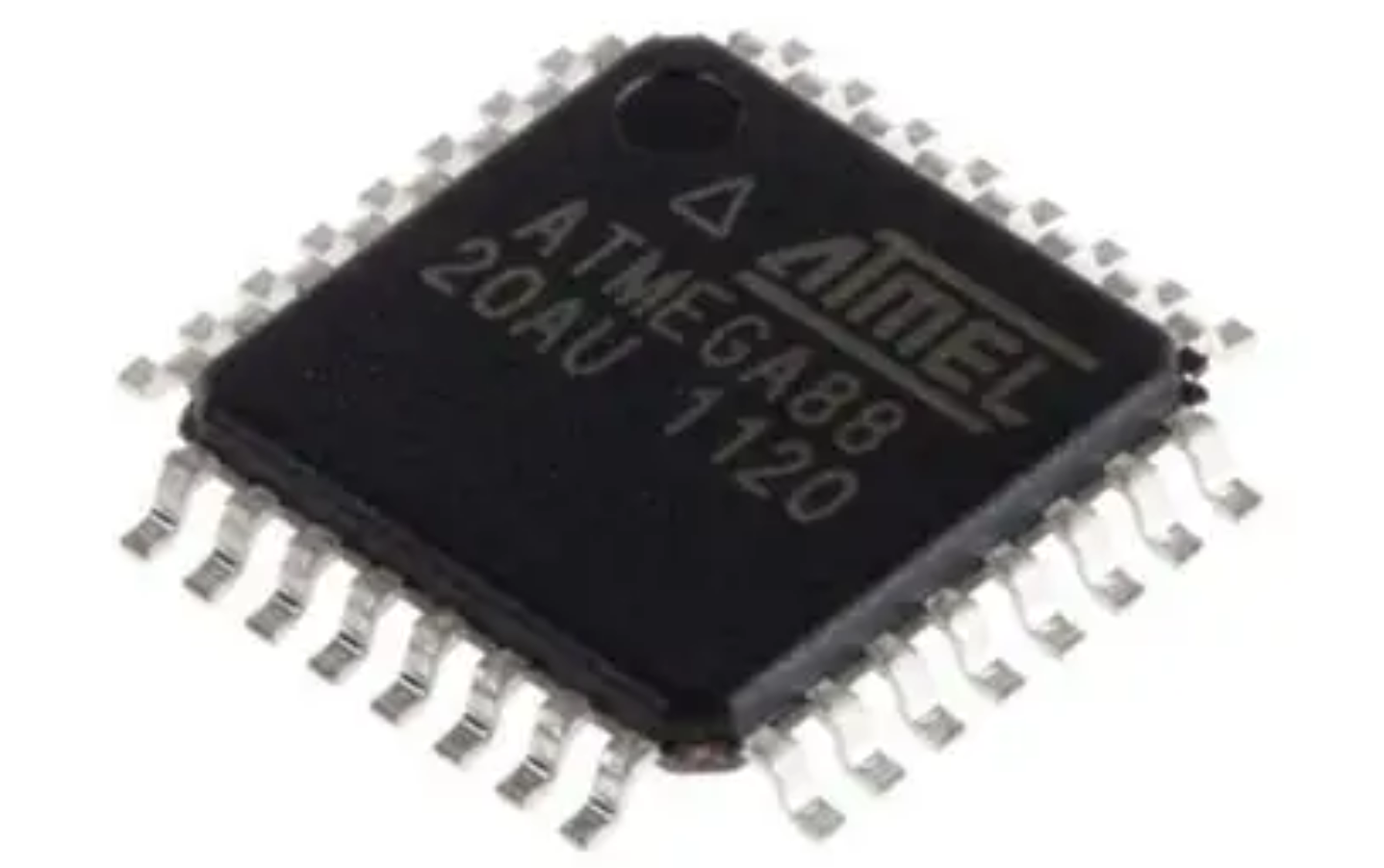
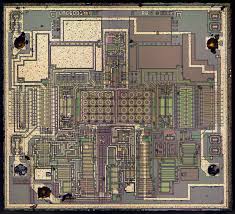
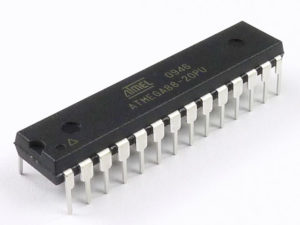
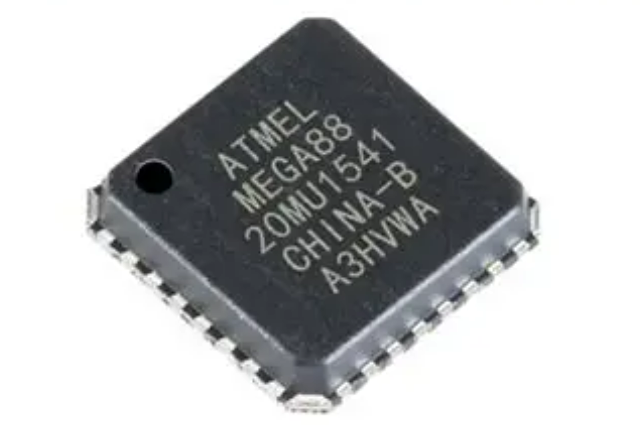
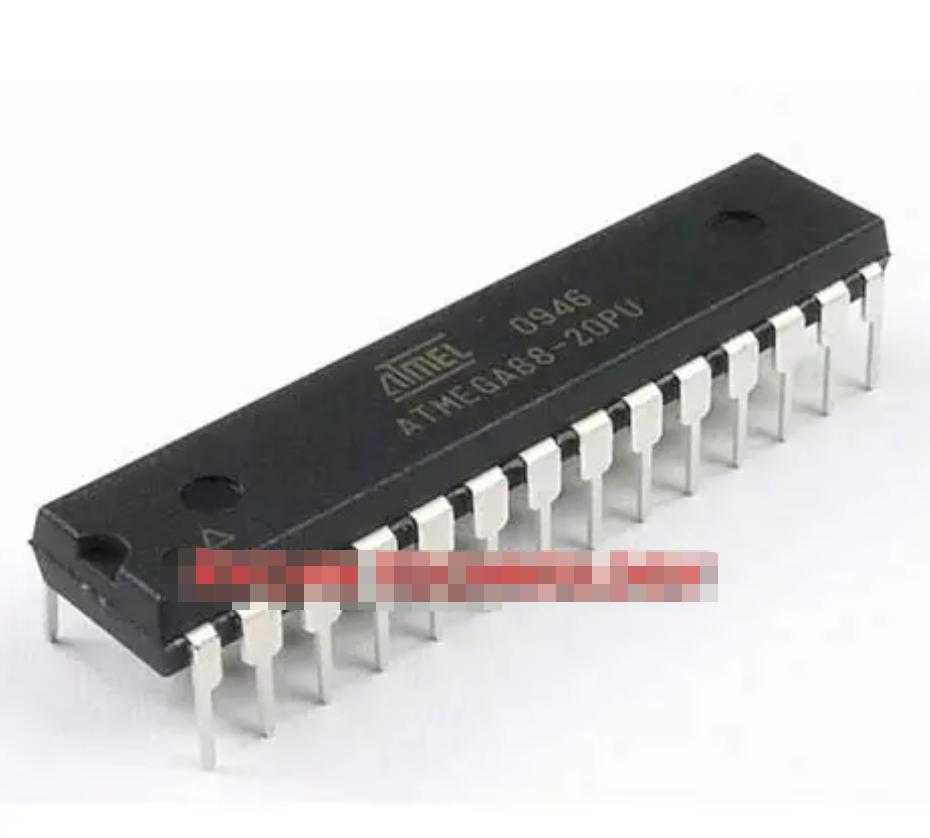
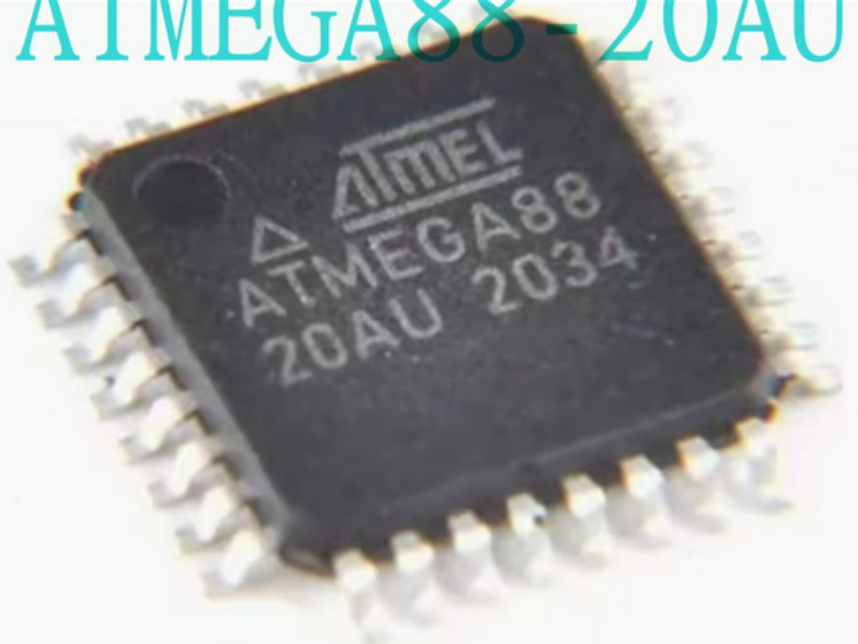
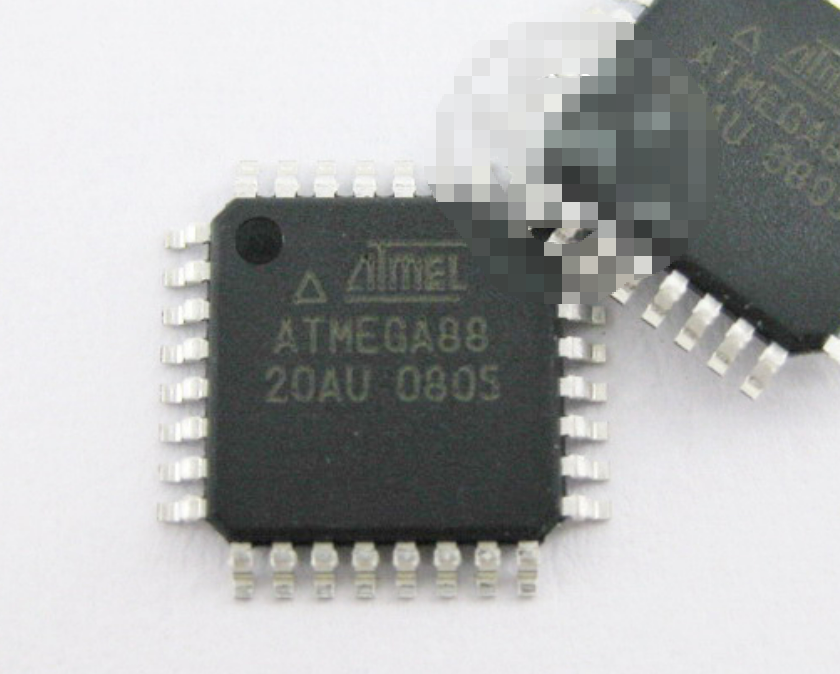
The Atmel ATmega88 serves as a high-performance, low-power 8-bit microcontroller that remains a staple in the world of embedded design. Leveraging the advanced AVR RISC architecture, this MCU is extensively deployed in automotive sensors, home automation hubs, and industrial monitoring tools. To prevent unauthorized access to the developer’s intellectual property, the chip features a sophisticated protective mechanism known as “Lock Bits.” These bits effectively turn the microchip into an encrypted vault, shielding the proprietary program stored within its FLASH and EEPROM memory. This level of security is essential for manufacturers to ensure that their firmware remains locked against competitors, preventing any standard tool from performing a direct readout of the internal logic.
Необходимость копирования, репликации или взлома микросхемы ATMEL ATMEGA88 обусловлена значительным рыночным спросом на поддержку устаревших систем. Когда в такой системе выходит из строя отдельный микроконтроллер, CPLD, ARM или DSP, единственным способом воспроизвести компонент и сохранить работоспособность всей системы является возможность считывания и копирования существующих данных с работающего микропроцессора ATMEL ATMEGA88. Без возможности расшифровки и дампа этих файлов, для чтения внутренних структур микроконтроллера AVR ATMEL ATMEGA88 необходимо использовать специализированные лабораторные методы для расшифровки состояния безопасности без ущерба для физической целостности микропроцессора ATMEL ATMEGA88. Эта деликатная операция позволяет специалисту получить дамп сохраненного двоичного или шестнадцатеричного файла, обеспечивая зеркальное отображение исходного набора инструкций микропроцессора. Благодаря возможности взлома битовых барьеров блокировки, специалисты могут эффективно расшифровать канал связи с ПАМЯТЬЮ, что позволяет получить полный доступ к ИСХОДНОМУ КОДУ или ПРОГРАММНОМУ ОБЕСПЕЧЕНИЮ, которые ранее были недоступны из-за заблокированного состояния микроконтроллера ATMEL ATMEGA88.
When engineers speak about the process to unlock a secured microcontroller, they are referring to the technical circumvention of these hardware-level security fuses. To read AVR MCU Atmel ATmega88 internal structures, one must utilize specialized laboratory techniques to decrypt the security status without compromising the physical integrity of the IC. This delicate operation allows a technician to dump the stored binary or heximal file, providing a mirror image of the microprocessor‘s original instruction set. By being able to crack the lock bit barriers, experts can effectively decrypt the communication pathway to the MEMORY, enabling a full readout of the SOURCE CODE or SOFTWARE that was previously inaccessible due to the LOCKED status of the microchip.
We can Read AVR MCU Atmel ATmega88, please view the IC Chip features for your reference:
La nécessité de copier, répliquer ou décrypter un microcontrôleur ATMEL ATMEGA88 est motivée par une forte demande du marché pour la prise en charge des systèmes existants. Lorsqu’un microcontrôleur, un CPLD, un ARM ou un DSP tombe en panne dans un tel système, la possibilité de lire et de copier les données existantes d’un microprocesseur ATMEL ATMEGA88 fonctionnel est le seul moyen de répliquer le composant et de maintenir le système opérationnel. Sans pouvoir décrypter et extraire ces fichiers, il est impossible de lire les structures internes d’un microcontrôleur AVR ATMEL ATMEGA88 (Atmel ATmega88). Pour ce faire, il est nécessaire d’utiliser des techniques de laboratoire spécialisées afin de décrypter l’état de sécurité sans compromettre l’intégrité physique du microprocesseur. Cette opération délicate permet à un technicien d’extraire le fichier binaire ou hexadécimal stocké, fournissant ainsi une image miroir du jeu d’instructions original du microprocesseur. En parvenant à briser les barrières de verrouillage, les experts peuvent décrypter efficacement le chemin de communication vers la MÉMOIRE, permettant une lecture complète du CODE SOURCE ou du LOGICIEL qui était auparavant inaccessible en raison de l’état VERROUILLÉ du microcontrôleur ATMEL ATMEGA88.
1 MHz, 1.8V: 240µA
32 kHz, 1.8V: 15µA (including Oscillator)
The necessity to copy, replicate, or crack a microchip is driven by a significant market demand for legacy support. Many critical systems in aviation, medical technology, and heavy manufacturing rely on hardware that is now considered obsolete or outdate. In many cases, the original company that developed the FIRMWARE no longer exists, or the original PROGRAM files have been lost to time. When a single MCU, CPLD, ARM, or DSP fails in such a system, the ability to readout and copy the existing DATA from a working unit is the only way to replicate the component and keep the entire system operational. Without the ability to decrypt and dump these files, many organizations would be forced to decommission expensive machinery simply because of one outdateIC.
La necesidad de copiar, replicar o descifrar un microcontrolador ATMEL ATMEGA88 se debe a la importante demanda del mercado de soporte para sistemas heredados. Cuando falla un microcontrolador, CPLD, ARM o DSP en un sistema de este tipo, la única forma de replicar el componente y mantener el sistema operativo es leer y copiar los datos existentes de un microprocesador ATMEL ATMEGA88 en funcionamiento. Sin la posibilidad de descifrar y volcar estos archivos, para leer las estructuras internas del microcontrolador AVR ATMEL ATMEGA88 (Atmel ATmega88), se deben utilizar técnicas de laboratorio especializadas para descifrar el estado de seguridad sin comprometer la integridad física del microprocesador. Esta delicada operación permite al técnico volcar el archivo binario o hexadecimal almacenado, proporcionando una imagen espejo del conjunto de instrucciones original del microprocesador. Al poder superar las barreras de bits de bloqueo, los expertos pueden descifrar eficazmente la ruta de comunicación a la MEMORIA, lo que permite una lectura completa del CÓDIGO FUENTE o SOFTWARE que antes era inaccesible debido al estado BLOQUEADO del microcontrolador ATMEL ATMEGA88.
Our laboratory provides a premier technical service to read AVR MCU Atmel ATmega88 and other complex IC architectures for professional recovery. We understand the high stakes involved when your hardware becomes obsolete, and we offer the following capabilities to support your maintenance needs:
La necessità di copiare, replicare o decifrare un microchip ATMEL ATMEGA88 è dettata da una significativa domanda di mercato per il supporto dei sistemi legacy. Quando un singolo MCU, CPLD, ARM o DSP si guasta in un sistema di questo tipo, la capacità di leggere e copiare i dati esistenti da un microprocessore ATMEL ATMEGA88 funzionante è l’unico modo per replicare il componente e mantenere l’intero sistema operativo. Senza la possibilità di decrittografare ed estrarre questi file, per leggere le strutture interne di un microcontrollore AVR ATMEL ATMEGA88 Atmel ATmega88, è necessario utilizzare tecniche di laboratorio specializzate per decrittografare lo stato di sicurezza senza compromettere l’integrità fisica del microprocessore ATMEL ATMEGA88. Questa delicata operazione consente a un tecnico di estrarre il file binario o esadecimale memorizzato, fornendo un’immagine speculare del set di istruzioni originale del microprocessore. Riuscendo a decifrare le barriere di blocco, gli esperti possono decrittografare efficacemente il percorso di comunicazione verso la MEMORIA, consentendo una lettura completa del CODICE SORGENTE o del SOFTWARE precedentemente inaccessibile a causa dello stato di BLOCCAGGIO del microcontrollore ATMEL ATMEGA88.
Advanced Extraction: We possess the tools to unlock, decrypt, and dump the internal FLASH and EEPROM from even the most protectivemicrochip designs.
Format Precision: We deliver the extracted firmware in precise heximal or binary formats, ensuring that you can replicate the device functionality exactly.
Broad Device Support: Our expertise extends beyond the AVR series to include ARM, DSP, and CPLD recovery, providing a one-stop solution for legacy microprocessor challenges.
Source Restoration: By helping you readout and copylocked code, we empower your team to recover lost SOURCE CODE and SOFTWARE assets for critical system updates.
By bridging the gap between encrypted silicon and accessible data, we ensure that your investment in technology remains protected against the march of time. Whether you need to copy a single MCU or replicate a suite of outdate components, our facility provides the technical transparency and reliability required to unlock the future of your legacy systems.
Die Notwendigkeit, einen ATMEL ATMEGA88-Mikrocontroller zu kopieren, zu replizieren oder zu knacken, ergibt sich aus der hohen Marktnachfrage nach Legacy-Unterstützung. Fällt in einem solchen System ein einzelner Mikrocontroller, CPLD, ARM oder DSP aus, ist das Auslesen und Kopieren der vorhandenen Daten eines funktionierenden ATMEL ATMEGA88-Mikroprozessors die einzige Möglichkeit, die Komponente zu replizieren und das Gesamtsystem betriebsbereit zu halten. Ohne die Möglichkeit, diese Dateien zu entschlüsseln und zu sichern, ist dies jedoch nicht möglich. Um die internen Strukturen eines AVR ATMEL ATMEGA88-Mikrocontrollers (Atmel ATmega88) auszulesen, müssen spezielle Labortechniken angewendet werden, um den Sicherheitsstatus zu entschlüsseln, ohne die physische Integrität des ATMEL ATMEGA88-Mikroprozessors zu beeinträchtigen. Dieser heikle Vorgang ermöglicht es einem Techniker, die gespeicherte Binär- oder Hexadezimaldatei auszulesen und so ein Abbild des ursprünglichen Befehlssatzes des Mikroprozessors zu erhalten. Durch das Knacken der Sperrbitbarrieren können Experten den Kommunikationsweg zum SPEICHER effektiv entschlüsseln und so den Quellcode oder die Software vollständig auslesen, die zuvor aufgrund des GESPERRT-Status des Mikrochips ATMEL ATMEGA88 nicht zugänglich waren.
Send us the part number, package type and quantity and we will confirm the feasible method, the deliverable and the turnaround before any sample is touched.