
-
Product Categories
-
Live Support Chat


Pull Renesas Microcontroller R5F72115D160FPV
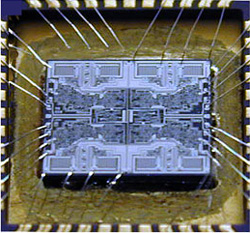
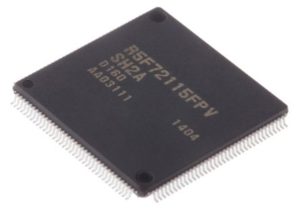
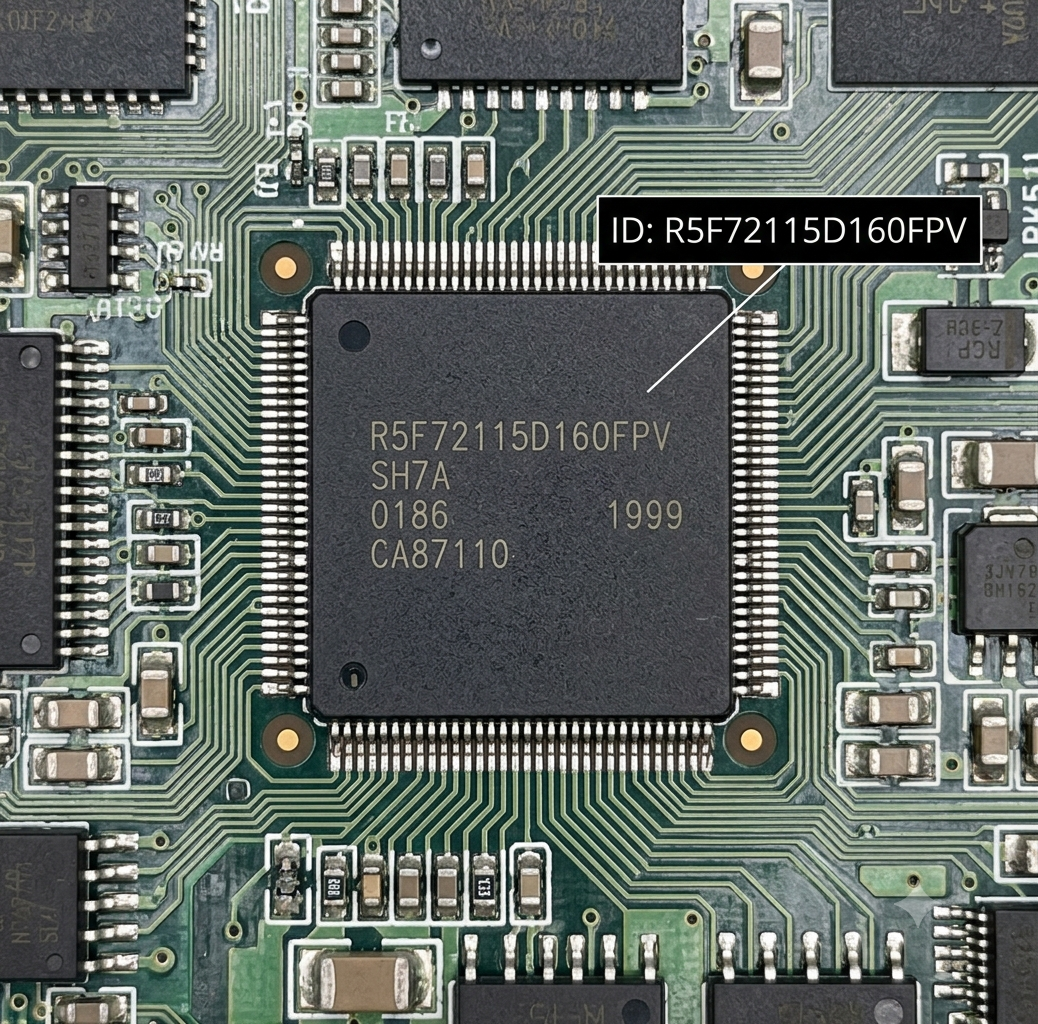
The Renesas R5F72115D160FPV is a high-performance 32-bit microcontroller designed for demanding embedded applications that require processing efficiency, reliable peripheral integration, and long-term operational stability. Built for industrial automation, intelligent instrumentation, motor control, communication equipment, medical electronics, and advanced control systems, this powerful IC integrates high-speed processing cores together with on-chip flash, eeprom, and internal memory resources for storing application firmware and operating parameters.
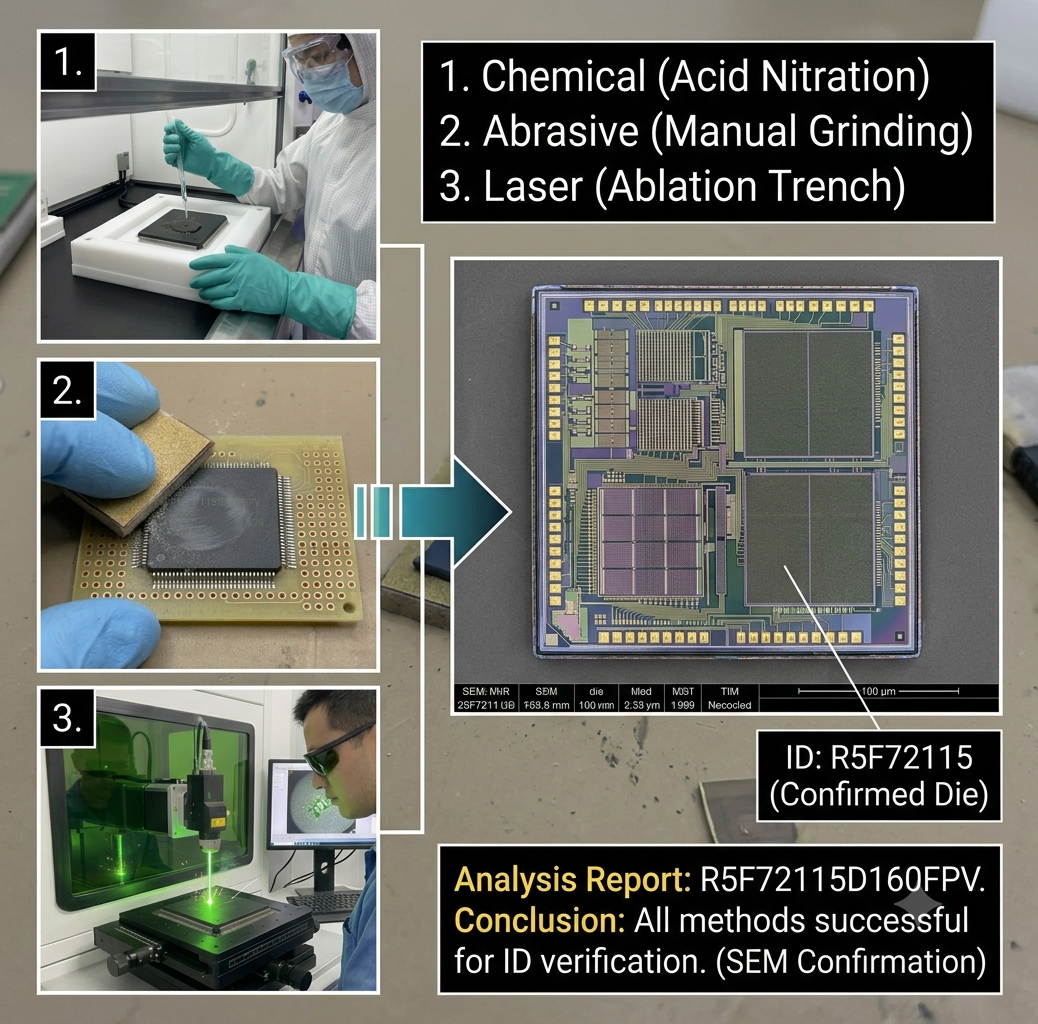
Các dự án kỹ thuật thường bao gồm việc bảo tồn các bản sao firmware được thu thập thông qua các phương thức được ủy quyền hợp pháp, lập tài liệu về cấu trúc bộ nhớ Flash và EEPROM, phân tích sơ đồ ánh xạ bộ nhớ (memory map), tái tạo các ảnh nhị phân (binary image) từ các kho lưu trữ kỹ thuật hiện có, sắp xếp các tệp lập trình hệ thập lục phân (hexadecimal programming files) và bảo vệ các tài liệu kỹ thuật quan trọng nhằm phục vụ cho công tác bảo trì trong tương lai.
Những yêu cầu tương tự cũng thường phát sinh trong quá trình bảo trì các nền tảng Renesas MCU đời cũ, các hệ thống điều khiển nhúng, cũng như nhiều thiết bị điện tử có thể lập trình khác lưu trữ các thông số cấu hình và thông tin vận hành thiết yếu.
Its comprehensive peripheral set enables engineers to develop sophisticated embedded solutions while maintaining exceptional reliability. To protect valuable intellectual property, manufacturers commonly enable protective, locked, or encrypted security mechanisms that prevent unauthorized access to the internal application environment. These hardware security features safeguard proprietary control algorithms, embedded software, operational data, and configuration information throughout the product lifecycle.
Compatible with SH-1 and SH-2 at object code level
32-bit internal data bus
Support of an abundant register-set
⎯ Sixteen 32-bit general registers
⎯ Four 32-bit control registers
⎯ Four 32-bit system registers
⎯ Register bank for high-speed response to interrupts
RISC-type instruction set (upward compatible with SH series)
⎯ Instruction length: 16-bit fixed-length basic instructions for improved code efficiency and 32-bit instructions for high performance and usability
⎯ Load/store architecture
⎯ Delayed branch instructions
⎯ Instruction set based on C language
Superscalar architecture to execute two instructions at one time
Instruction execution time: Up to two instructions/cycle
Address space: 4 Gbytes
Internal multiplier
Five-stage pipeline
Operating modes
Operating modes
Single-chip mode
Processing states
Program execution state
Exception handling state
Bus mastership release state
Power-down modes
Sleep mode
The following features settable for each area independently
⎯ Supports both big endian and little endian for data access
⎯ Bus size (8 or 16 bits): Available sizes depend on the area.
⎯ Number of access wait cycles (different wait cycles can be specified for read and write access cycles in some areas)
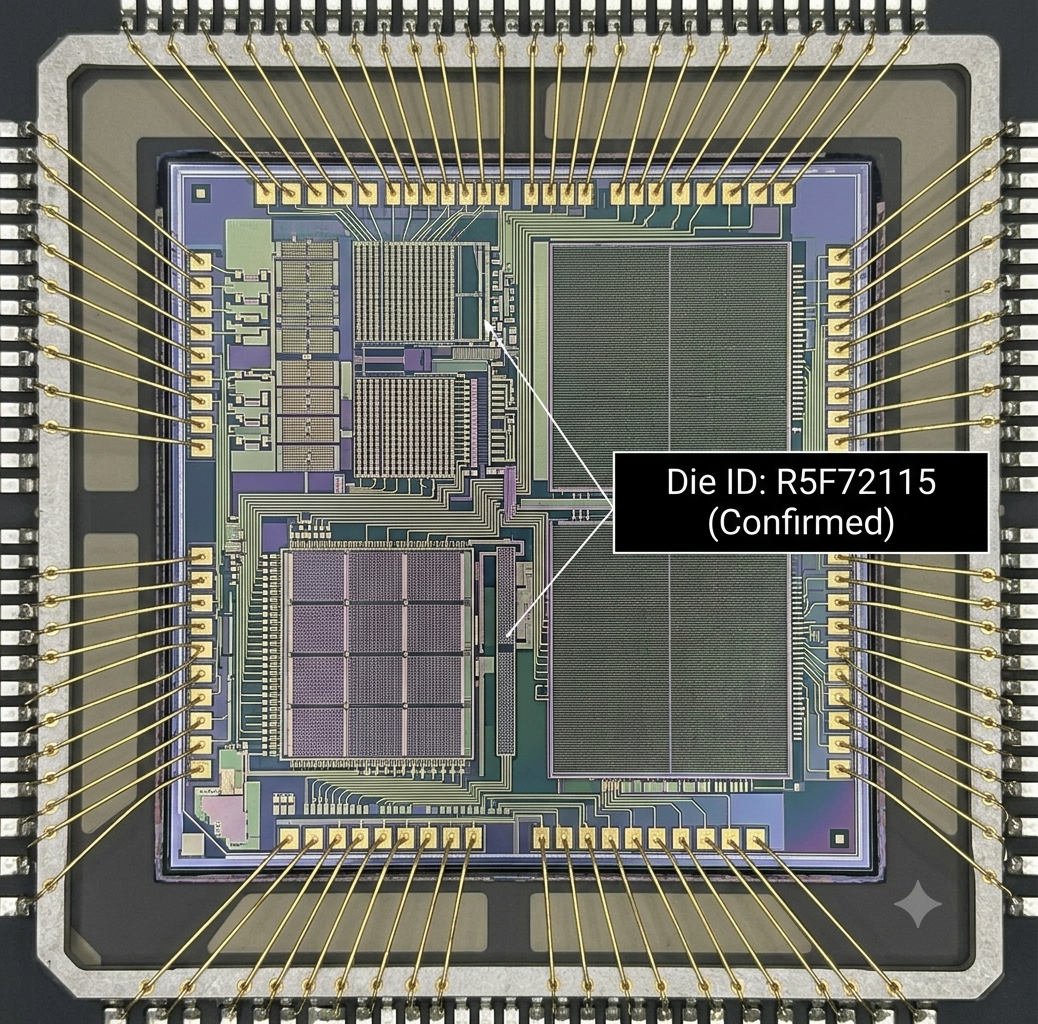
پروژههای مهندسی معمولاً شامل حفظ نسخههای firmware که از طریق روشهای مجاز به دست آمدهاند، مستندسازی ساختار حافظههای Flash و EEPROM، تحلیل memory map، بازسازی binary image از آرشیوهای مهندسی موجود، سازماندهی فایلهای برنامهنویسی hexadecimal و حفاظت از مستندات مهندسی حیاتی برای تعمیر و نگهداری آینده هستند.
نیازهای مشابه هنگام سرویس و نگهداری پلتفرمهای قدیمی Renesas MCU، سامانههای کنترل نهفته (Embedded Control Systems) و سایر تجهیزات الکترونیکی قابل برنامهریزی که اطلاعات حیاتی پیکربندی را ذخیره میکنند نیز بهطور گسترده مشاهده میشود.
⎯ Idle wait cycle insertion (between same area access cycles or different area access cycles)
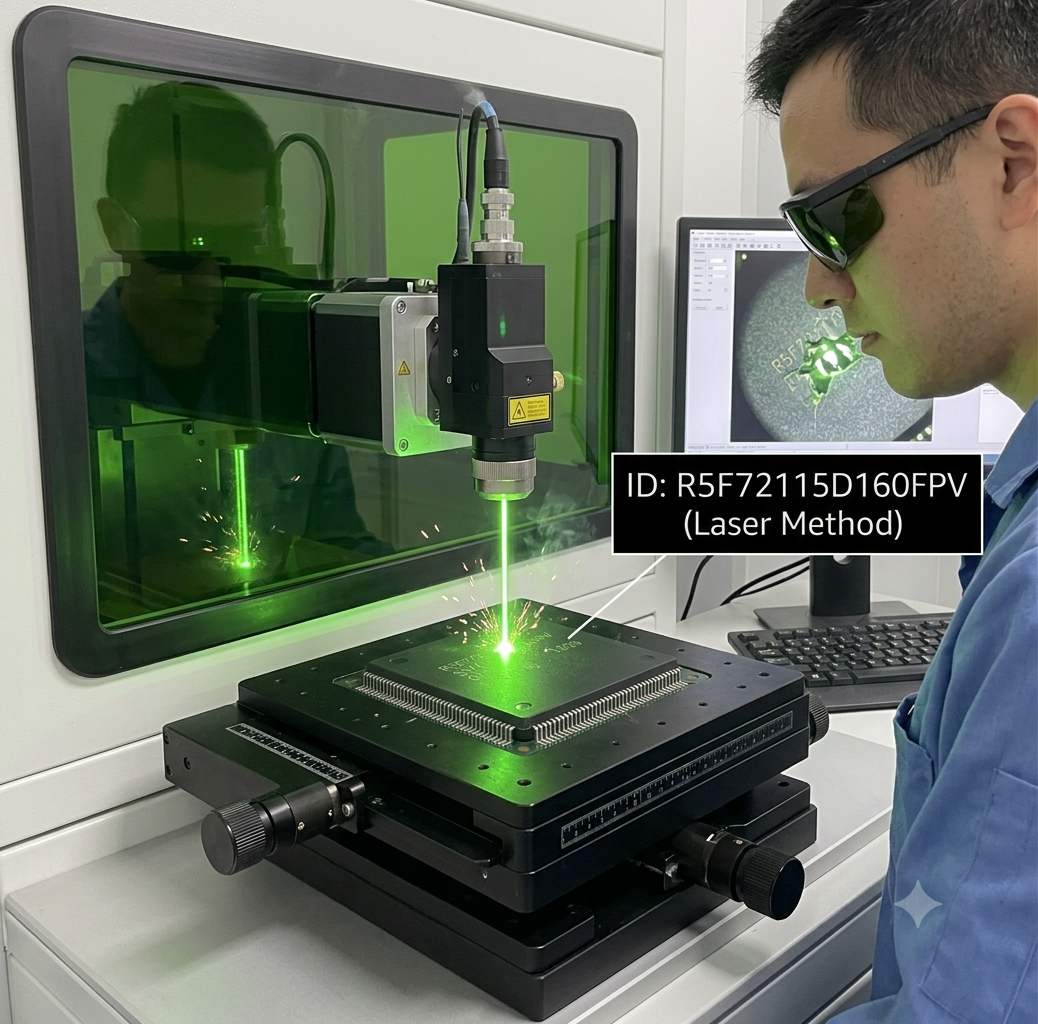
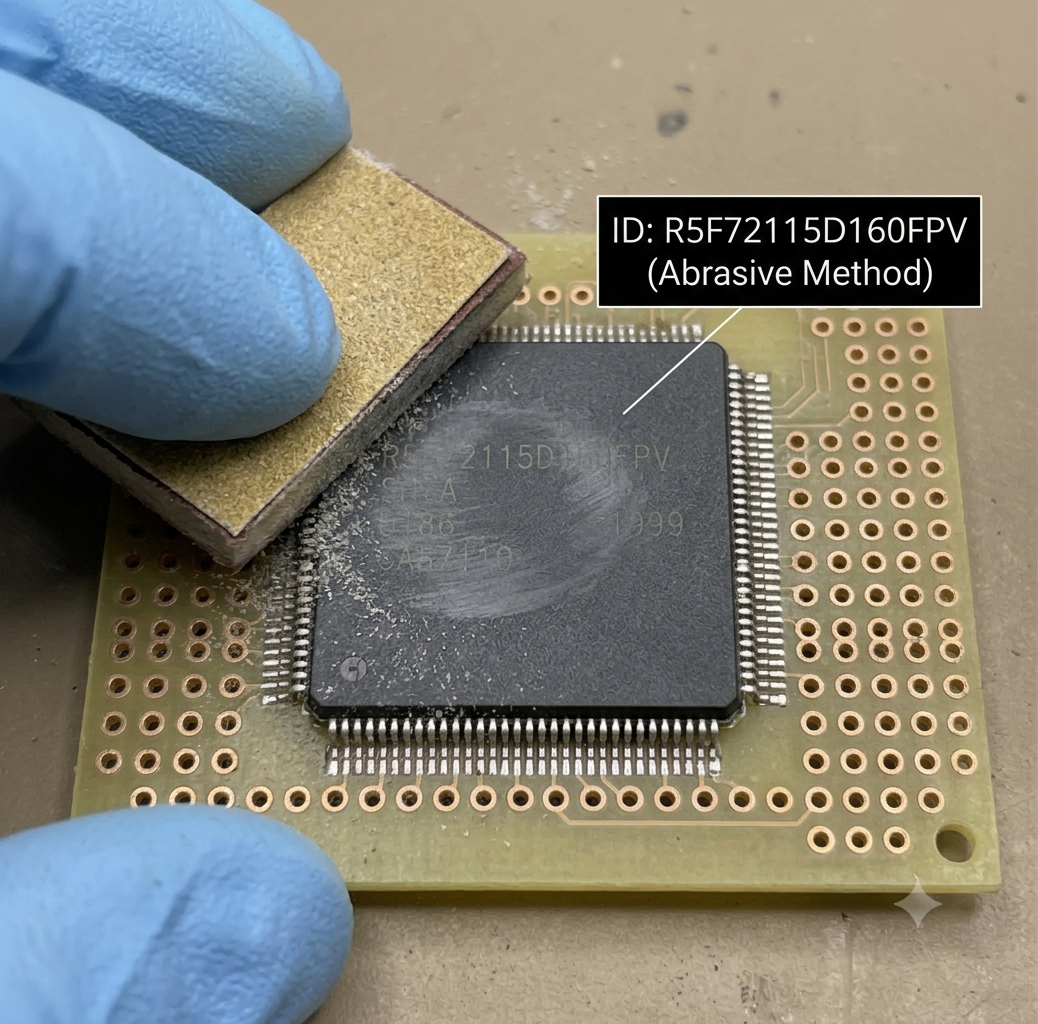
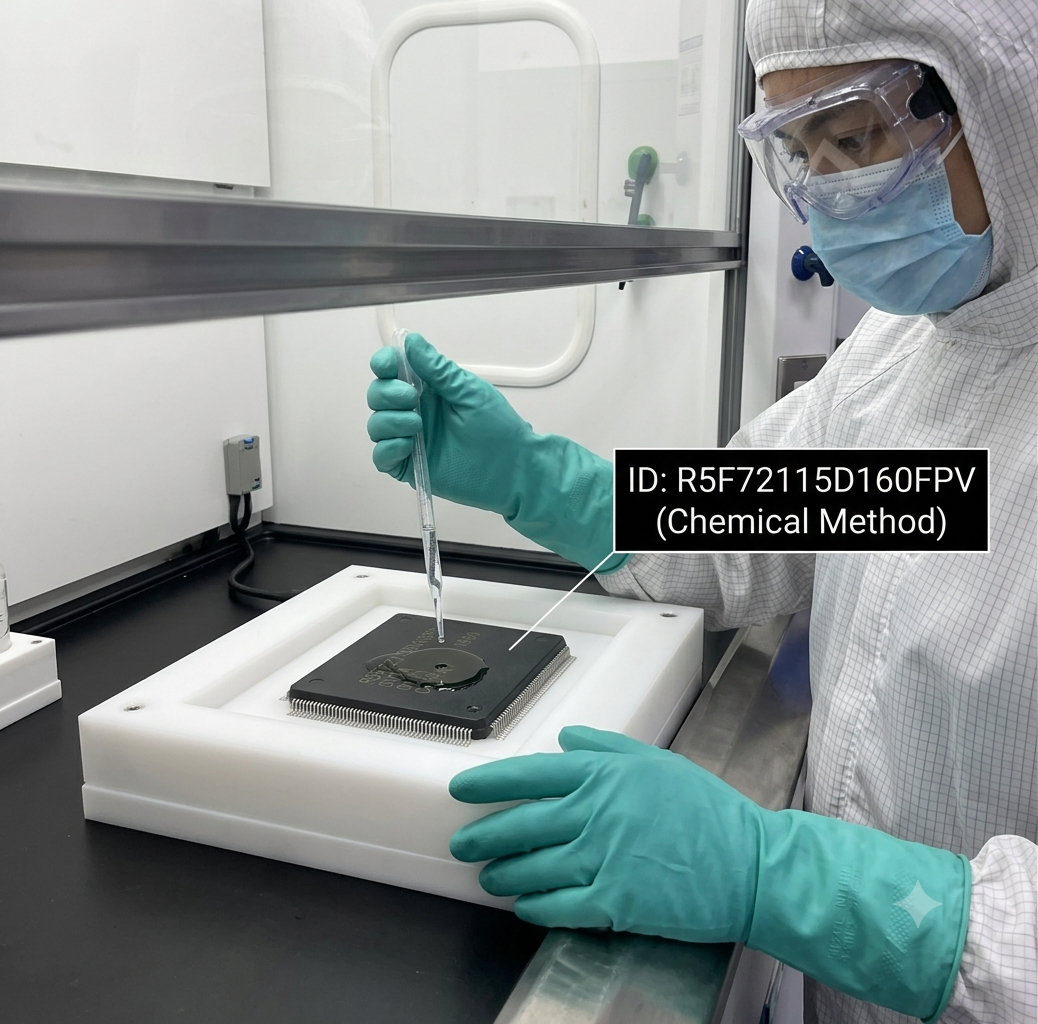
As embedded systems continue serving industrial environments for many years, organizations frequently encounter situations where the original engineering resources have disappeared while the hardware remains indispensable. Development companies may have closed, project archives may have been misplaced, or engineering teams may no longer possess the original program, source code, or manufacturing file. In these circumstances, customers often require specialized engineering services to unlock, crack, readout, dump, decrypt, copy, or replicate valuable information contained within the protected IC.
Recovery projects commonly involve preserving application firmware, extracting flash and eeprom contents, analyzing internal memory, reconstructing binary images, organizing heximal programming files, and safeguarding critical engineering data for future maintenance. Similar requirements also arise when servicing legacy ALTERA Chip devices, CPLD platforms, and other programmable components that store essential configuration information. Every secured device presents unique technical challenges because its protection mechanisms are specifically designed to resist unauthorized extraction while maintaining the integrity of the embedded application.
وتتضمن المشاريع الهندسية عادةً الحفاظ على نسخ Firmware التي تم الحصول عليها بوسائل مصرح بها، وتوثيق تنظيم ذاكرة Flash وEEPROM، وتحليل خرائط الذاكرة (Memory Maps)، وإعادة إنشاء صور البيانات الثنائية (Binary Images) من الأرشيفات الهندسية المتوفرة، وتنظيم ملفات البرمجة بالنظام السداسي عشري (Hexadecimal Programming Files)، وحماية الوثائق الهندسية المهمة لاستخدامها في أعمال الصيانة المستقبلية.
وتظهر متطلبات مماثلة أيضاً عند صيانة منصات Renesas MCU القديمة، وأنظمة التحكم المضمنة، وغيرها من الأجهزة الإلكترونية القابلة للبرمجة التي تحتوي على معلومات تكوين وتشغيل أساسية.
⎯ Specifying the memory to be connected to each area enables direct connection to SRAM, SRAM with byte selection, SDRAM, and burst ROM (clocked synchronous or asynchronous). The address/data multiplexed I/O (MPX) interface is also available.
⎯ Outputs a chip select signal (CS0 to CS7) according to the target area (CS assert or negate timing can be selected by software) SDRAM refresh
The market demand for embedded recovery services continues to expand as manufacturers seek to extend the operating life of valuable equipment rather than redesign complete electronic systems. Numerous industrial controllers, transportation modules, laboratory instruments, energy management systems, and communication platforms continue relying on obselete or outdate hardware that performs reliably despite the disappearance of original design resources. Recovering engineering assets from these devices enables organizations to maintain production continuity, preserve compatibility with existing installations, and significantly reduce redevelopment costs.
ऐसी इंजीनियरिंग परियोजनाओं में सामान्यतः अधिकृत स्रोतों से प्राप्त फर्मवेयर इमेज का संरक्षण, Flash और EEPROM मेमोरी की संरचना का दस्तावेज़ीकरण, Memory Map का विश्लेषण, उपलब्ध इंजीनियरिंग अभिलेखों से Binary Image का पुनर्निर्माण, Hexadecimal Programming Files का सुव्यवस्थित प्रबंधन तथा भविष्य के रखरखाव के लिए महत्वपूर्ण इंजीनियरिंग दस्तावेज़ों का संरक्षण शामिल होता है।
इसी प्रकार की आवश्यकताएँ पुराने Renesas MCU प्लेटफ़ॉर्म, एम्बेडेड नियंत्रण प्रणालियों तथा अन्य प्रोग्राम योग्य इलेक्ट्रॉनिक उपकरणों के रखरखाव के दौरान भी उत्पन्न होती हैं, जिनमें महत्वपूर्ण कॉन्फ़िगरेशन जानकारी संग्रहीत रहती है।
Access to archived binary records, heximal files, operational firmware, configuration data, application software, and historical program resources provides an efficient foundation for equipment maintenance, hardware migration, product validation, and lifecycle extension. Rather than replacing an entire system, companies can leverage recovered engineering information to support future upgrades while protecting years of accumulated development investment.
Our engineering laboratory specializes in professional embedded device analysis and engineering data preservation for customers worldwide. We possess extensive experience working with secured microcontrollers, programmable logic devices, and complex embedded electronic systems used in industrial, commercial, and scientific applications. Our technical capabilities include comprehensive device evaluation, secure readout procedures, flash analysis, eeprom recovery, memory extraction, binary archive reconstruction, heximal file organization, firmware preservation, and engineering documentation support.
Инженерные проекты обычно включают сохранение образов firmware, полученных на законных основаниях, документирование организации памяти Flash и EEPROM, анализ карт памяти (memory maps), восстановление двоичных образов (binary images) из имеющихся инженерных архивов, систематизацию шестнадцатеричных файлов программирования (hexadecimal programming files), а также сохранение критически важной инженерной документации для дальнейшего обслуживания оборудования.
Аналогичные задачи возникают при сопровождении устаревших платформ Renesas MCU, встроенных систем управления и других программируемых электронных устройств, содержащих важную конфигурационную информацию.
Every project is carefully assessed using specialized laboratory equipment and systematic engineering methodologies to determine the most effective technical solution while maintaining strict confidentiality for customer-owned intellectual property. Whether the objective involves legacy equipment maintenance, product redesign, manufacturing continuity, or long-term engineering preservation, our team delivers dependable and customized technical support for each customer’s specific requirements.
The Renesas R5F72115D160FPV remains an important embedded controller in numerous professional applications because of its robust architecture and long operational lifespan. As electronic systems continue operating well beyond their original development cycles, preserving embedded engineering knowledge becomes increasingly valuable. Through advanced technical expertise, proven laboratory procedures, and a commitment to protecting customer engineering assets, we help organizations maintain critical firmware, preserve essential software, safeguard operational data, and extend the service life of sophisticated embedded systems while supporting future innovation and sustainable product maintenance.
이러한 엔지니어링 프로젝트에는 합법적으로 확보된 **펌웨어 이미지(Firmware Images)**의 보존, Flash 및 EEPROM 메모리 구조의 문서화, 메모리 맵(Memory Map) 분석, 기존 엔지니어링 아카이브를 활용한 바이너리 이미지(Binary Image) 재구성, **16진수 프로그래밍 파일(Hexadecimal Programming Files)**의 체계적인 관리, 그리고 향후 유지보수를 위한 핵심 엔지니어링 문서의 보존이 일반적으로 포함됩니다.
이와 같은 요구 사항은 오래된 Renesas MCU 플랫폼, 임베디드 제어 시스템, 그리고 중요한 구성 정보를 저장하는 기타 프로그래밍 가능한 전자 장치를 유지보수하는 과정에서도 자주 발생합니다.