
-
Product Categories
-
Live Support Chat


Decrypt MCU Chip microchip PIC18F2580
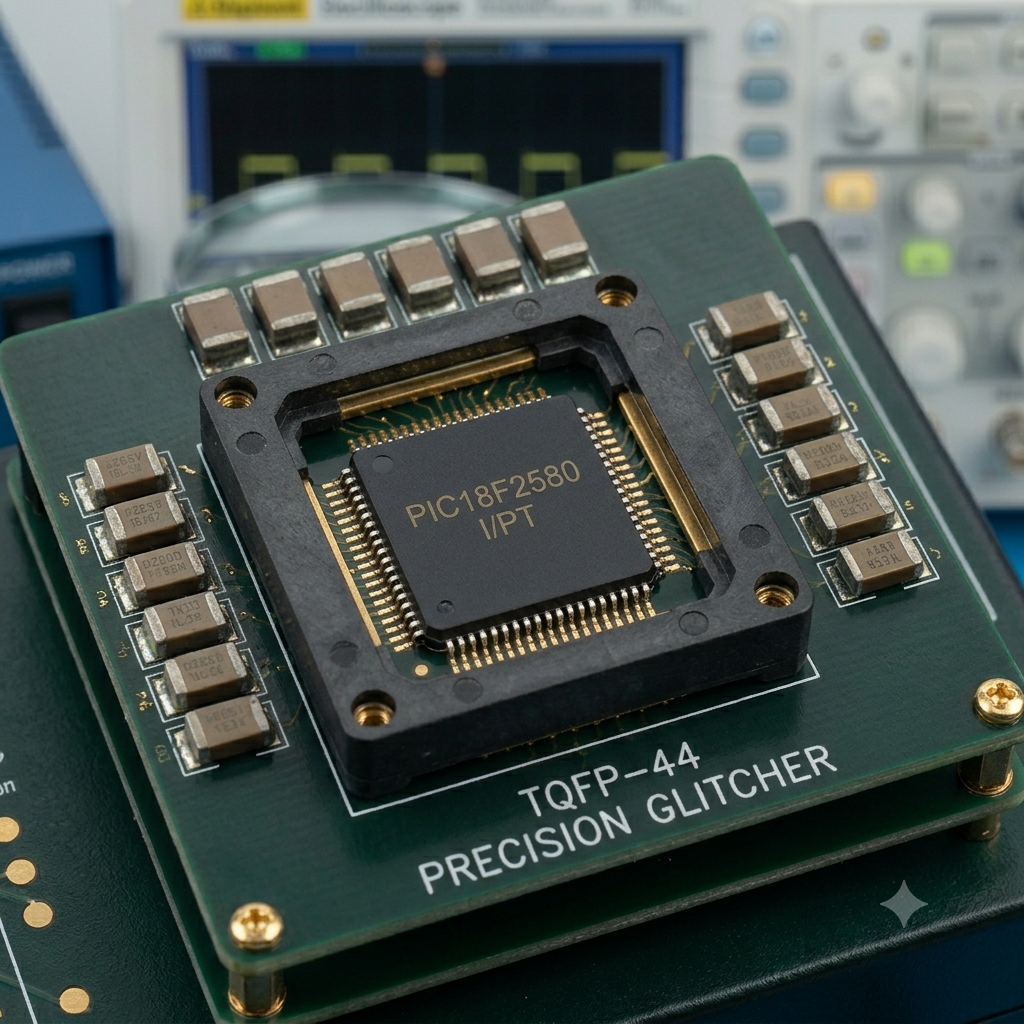
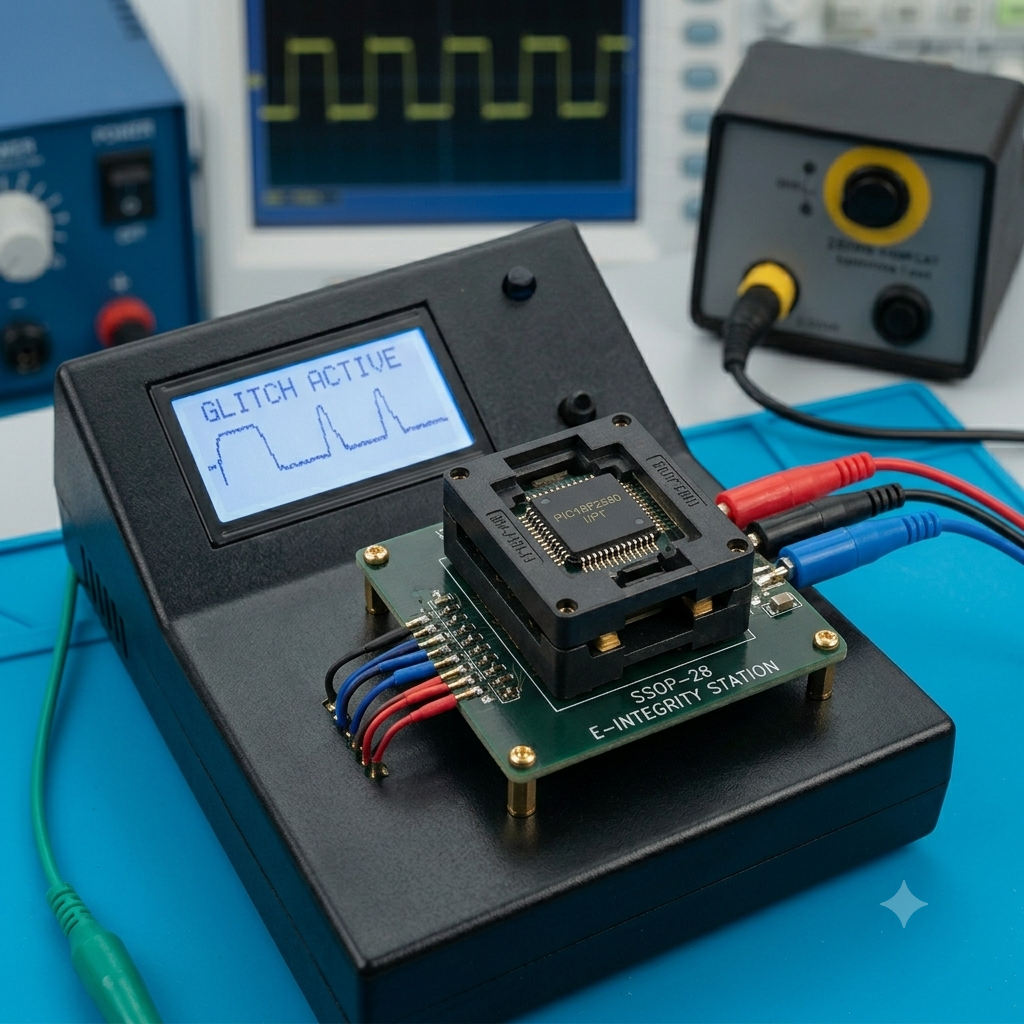
The microchip PIC18F2580 is a widely deployed 8-bit embedded controller designed for reliable operation in automotive electronics, industrial controllers, communication interfaces, access systems, instrumentation, and intelligent control platforms. As a mature and proven embedded chip, this ic integrates processing capability together with internal flash, eeprom, communication peripherals, and configurable control functions for real-time applications. Its long product history and stable architecture make it attractive for products requiring long service life. To protect proprietary designs and maintain competitive advantage, manufacturers commonly activate built-in protective mechanisms that restrict direct access to internal resources. Once protection is enabled, the device may appear locked, preventing external extraction of stored firmware, operational data, and application assets that are essential for maintenance and future development.
Enhanced Addressable USART module
– Supports RS-485, RS-232 and LIN 1.3
– RS-232 operation using internal oscillator block (no external crystal required)
– Auto-Wake-up on Start bit
– Auto-Baud detect 10-bit, up to 11-channel Analog-to-Digital
Converter module (A/D), up to 100 Ksps
– Auto-acquisition capability
– Conversion available during Sleep
Dual analog comparators with input multiplexing
Special Microcontroller Features:
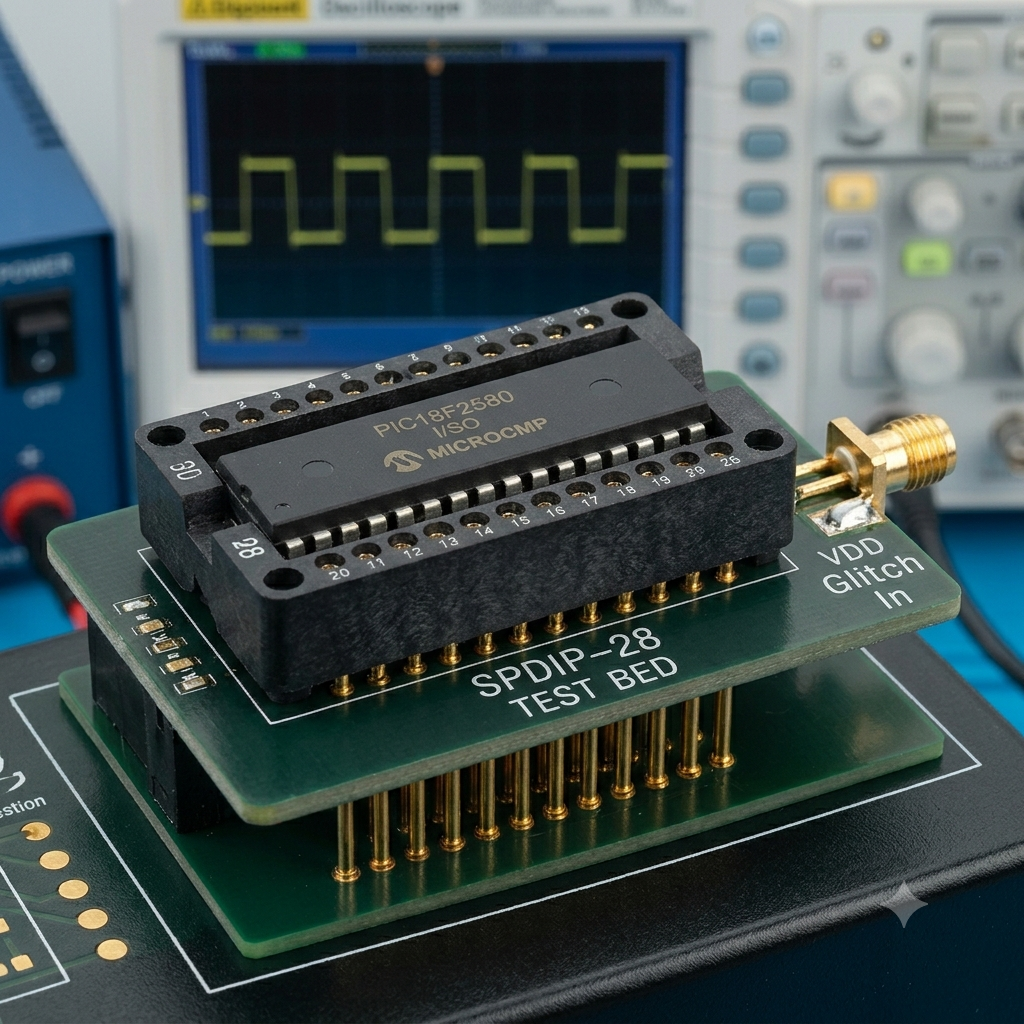
Queste risorse possono includere immagini dei programmi di produzione, archivi di file di configurazione, software applicativi, dati di calibrazione, registrazioni binarie, output esadecimali, documentazione di progetto e risorse di codice sorgente embedded quando disponibili negli archivi tecnici di proprietà del cliente.
I meccanismi di protezione possono inoltre impedire la visibilità sulla memoria flash interna e sulla EEPROM, rendendo inefficaci le procedure di assistenza tradizionali.
· C compiler optimized architecture with optional extended instruction set
· 100,000 erase/write cycle Enhanced Flash program memory typical
· 1,000,000 erase/write cycle Data EEPROM memory typical
· Flash/Data EEPROM Retention: > 40 years
· Self-programmable under software control to carry out
· Priority levels for interrupts
· 8 x 8 Single Cycle Hardware Multiplier
· Extended Watchdog Timer (WDT):
– Programmable period from 41 ms to 131s
· Single-Supply 5V In-Circuit Serial
Programming™ (ICSP™) via two pins
· In-Circuit Debug (ICD) via two pins
· Wide operating voltage range: 2.0V to 5.5V
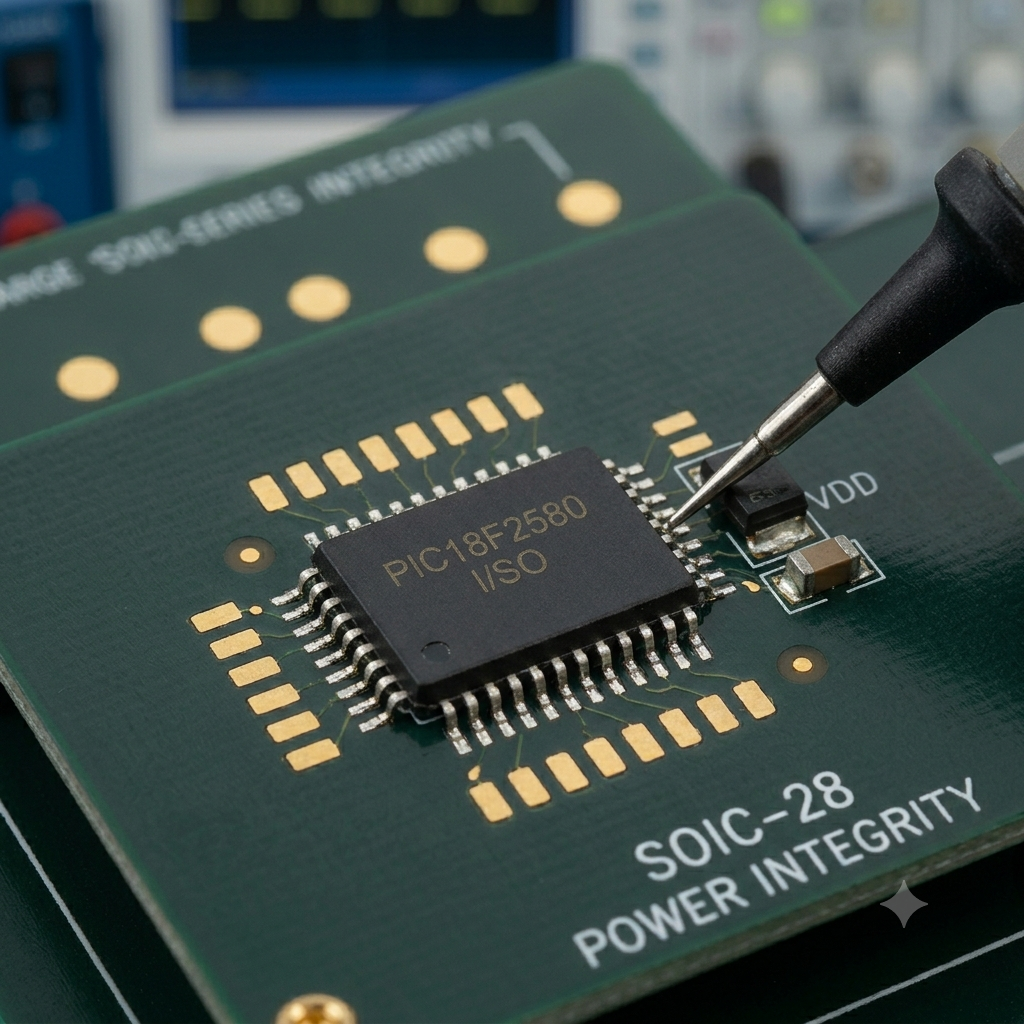
Estos recursos pueden incluir imágenes de programas de producción, archivos de configuración, software de aplicación, datos de calibración, registros binarios, salidas hexadecimales, documentación del proyecto y activos de código fuente embebido cuando estén disponibles dentro de los archivos de ingeniería propiedad del cliente.
Los mecanismos de protección también pueden impedir la visibilidad sobre la memoria flash interna y la EEPROM, haciendo que los procedimientos tradicionales de servicio resulten ineficaces.
ECAN Module Features:
· Message bit rates up to 1 Mbps
· Conforms to CAN 2.0B ACTIVE Specification
· Fully backward compatible with PIC18XXX8 CAN modules
When discussing how to unlock a secured microcontroller, the objective is not simply opening access to a device but preserving valuable engineering resources that remain inside the embedded system. Organizations may require the ability to readout, dump, copy, replicate, recover, or analyze information stored within the protected memory architecture of the microchip PIC18F2580. These resources may include production program images, configuration file archives, application software, calibration data, binary records, heximal output, project documentation, and embedded source code assets when available within customer-owned engineering archives. Security protection may also prevent visibility into internal flash and eeprom, making traditional service procedures ineffective. Professional analysis methods focus on preserving customer-controlled operational resources and maintaining continuity for legacy electronic platforms rather than replacing the original design process.
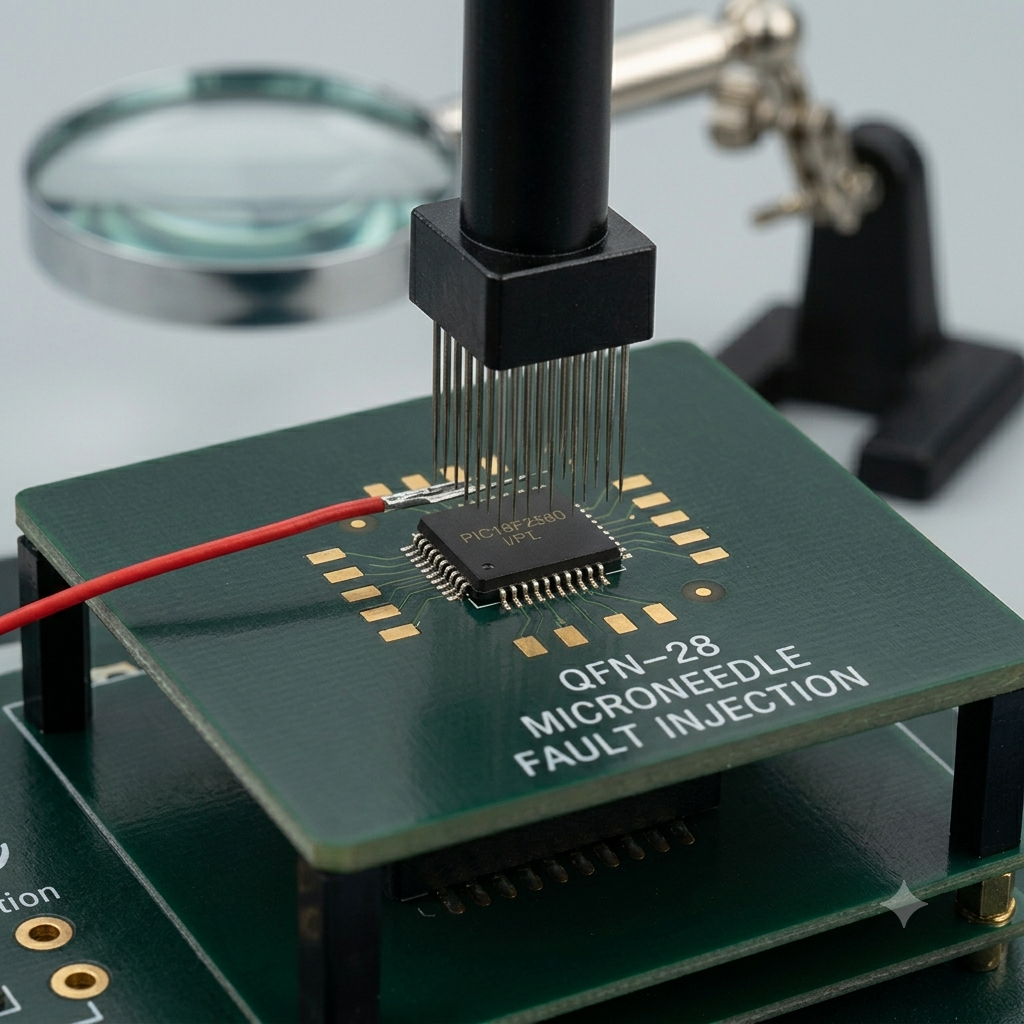
К таким ресурсам могут относиться производственные программные образы, архивы конфигурационных файлов, прикладное программное обеспечение, калибровочные данные, бинарные записи, HEX-выходные данные, проектная документация и встроенные исходные коды, если они доступны в принадлежащих заказчику инженерных архивах.
Защитные механизмы также могут ограничивать доступ к внутренней памяти Flash и EEPROM, что делает традиционные процедуры обслуживания неэффективными.
· Three modes of operation:
– Legacy, Enhanced Legacy, FIFO
· Three dedicated transmit buffers with prioritization
· Two dedicated receive buffers
· Six programmable receive/transmit buffers
· Three full 29-bit acceptance masks
· 16 full 29-bit acceptance filters w/ dynamic association
· DeviceNet™ data byte filter support
· Automatic remote frame handling
· Advanced error management features
Market demand for secured-device recovery services continues to increase because countless embedded products remain active long after their original development teams have moved on. Many industrial systems, vehicle modules, factory controllers, and specialized electronic products now operate on obselete or outdate platforms where replacement hardware may no longer exist. In numerous situations, the original development environment, archived software, production file, or historical firmware repositories have disappeared entirely. Without these resources, maintenance cycles become expensive and redesign projects can require substantial engineering investment. The ability to decrypt, preserve, and document accessible customer-owned configuration information enables companies to continue operating established systems, reduce redevelopment time, and maintain compatibility with existing field installations. Recovering archived binary and heximal resources may also support migration to modern hardware environments while minimizing operational disruption.
Esses recursos podem incluir imagens de programas de produção, arquivos de configuração arquivados, software de aplicação, dados de calibração, registros binários, saídas hexadecimais, documentação de projeto e ativos de código-fonte embarcado quando disponíveis nos arquivos de engenharia pertencentes ao cliente.
Os mecanismos de proteção também podem impedir a visibilidade da memória flash interna e da EEPROM, tornando ineficazes os procedimentos tradicionais de manutenção.
Our engineering team provides specialized technical services for customers requiring support with legacy embedded devices and protected electronic systems. We offer structured evaluation processes intended to assist customers in preserving engineering assets stored within secured devices, including memory extraction workflows, flash preservation, eeprom analysis, archived program recovery, and embedded data management. Through extensive experience working with mature embedded architectures and protected chip platforms, we help customers identify practical paths for retaining operational continuity and reducing project risk. Whether the objective is maintaining long-life industrial equipment, supporting historical product lines, preserving customer-owned configuration resources, or preparing for controlled system migration, our services are designed to provide dependable technical support.
The microchip PIC18F2580 continues to remain relevant across many established applications because of its reliability and long operational history. As embedded products evolve and lifecycle expectations continue to expand, preserving embedded knowledge becomes increasingly valuable. By combining technical expertise, structured analysis processes, and experience with legacy electronics, we help end users protect critical firmware, maintain access to operational data, preserve important software assets, and extend the useful life of embedded platforms for years to come.
Ces ressources peuvent inclure des images de programmes de production, des archives de fichiers de configuration, des logiciels applicatifs, des données d’étalonnage, des enregistrements binaires, des sorties hexadécimales, de la documentation de projet ainsi que des ressources de code source embarqué lorsqu’elles sont disponibles dans les archives techniques appartenant au client.
Les mécanismes de protection peuvent également empêcher l’accès à la mémoire flash interne et à l’EEPROM, rendant les procédures traditionnelles de maintenance inefficaces.