-
Product Categories
-
Live Support Chat


Crack MCU ATmega32 Flash Memory: An Engineering Perspective on Firmware Analysis
Flash Memory as a Source of Embedded-System Information
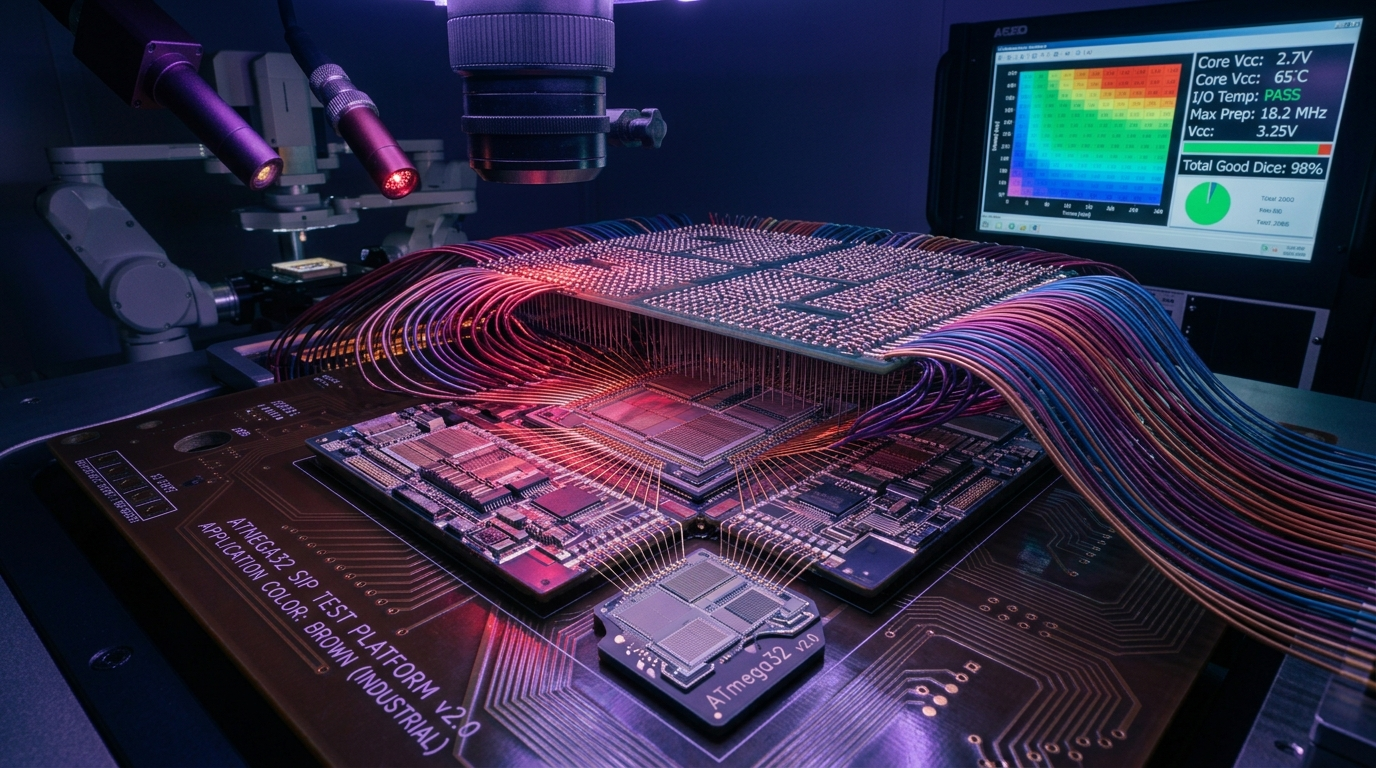
Investigating Crack MCU ATmega32 Flash Memory requires an understanding of how an embedded program is stored, organized, and executed by the target microcontroller. The ATmega32, developed by Atmel and now supported under Microchip Technology, belongs to the 8-bit AVR family. It provides 32 KB of programmable Flash, 2 KB of SRAM, and 1 KB of EEPROM, together with timers, an analog-to-digital converter, serial interfaces, SPI, and JTAG debugging capabilities. In industrial controllers, measurement instruments, motor-control equipment, and legacy appliances, the Flash region generally contains executable instructions, fixed constants, and program tables. EEPROM serves a different role, commonly retaining configuration values or application data when power is removed. Separating these memory functions is essential when analyzing a firmware image or investigating an electronic assembly whose original software archive is missing.
From Binary Images to Program Behavior
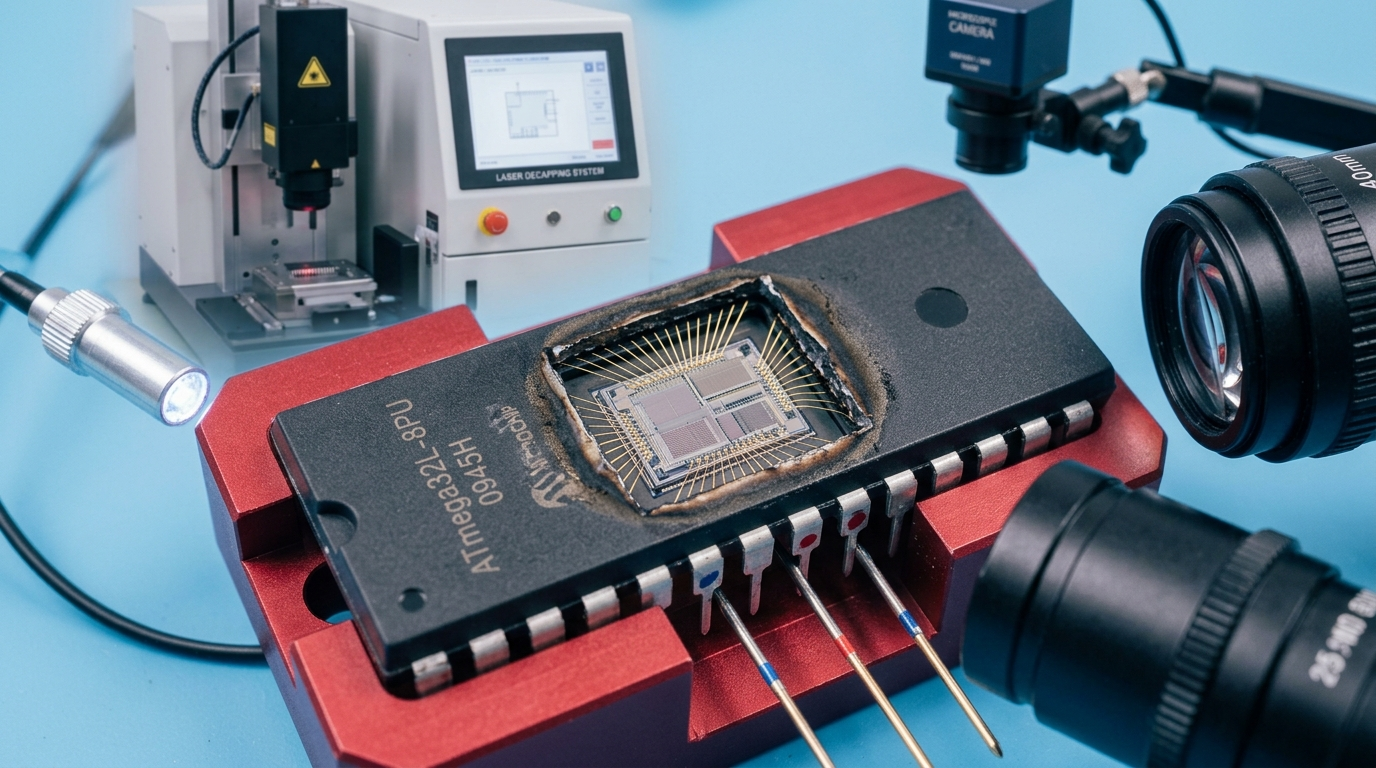
A firmware binary is a sequence of machine-code bytes, not a complete copy of the original software development project. During Crack MCU ATmega32 Flash Memory analysis, the first technical question is often whether a usable image already exists in a programming backup, production archive, test station, or another documented source. If an image is available, engineers can validate its file size, compare checksums, examine byte distributions, and compare it with known firmware revisions before attempting deeper analysis.
The next step may involve AVR disassembly, which converts machine instructions into assembly-language representations that can be studied by an engineer. Reset vectors, interrupt handlers, branching instructions, constant tables, and peripheral register accesses can provide clues about how the microcontroller operates. These clues can help explain communication routines, timing behavior, input processing, and control sequences even when the original source code and comments are unavailable. Static analysis does not automatically recreate the original source project, but it can provide a structured view of the software’s execution logic.
How Protection Changes the Investigation
A central issue in Crack MCU ATmega32 Flash Memory research is the difference between ordinary memory access and access restricted by device configuration. The ATmega32 includes programmable lock bits that control certain external programming and verification functions. When these bits are set, standard tools may be unable to read the protected program region. Such a configuration is often described as locked, secured, or protective, but these terms do not necessarily mean that the firmware is encrypted.
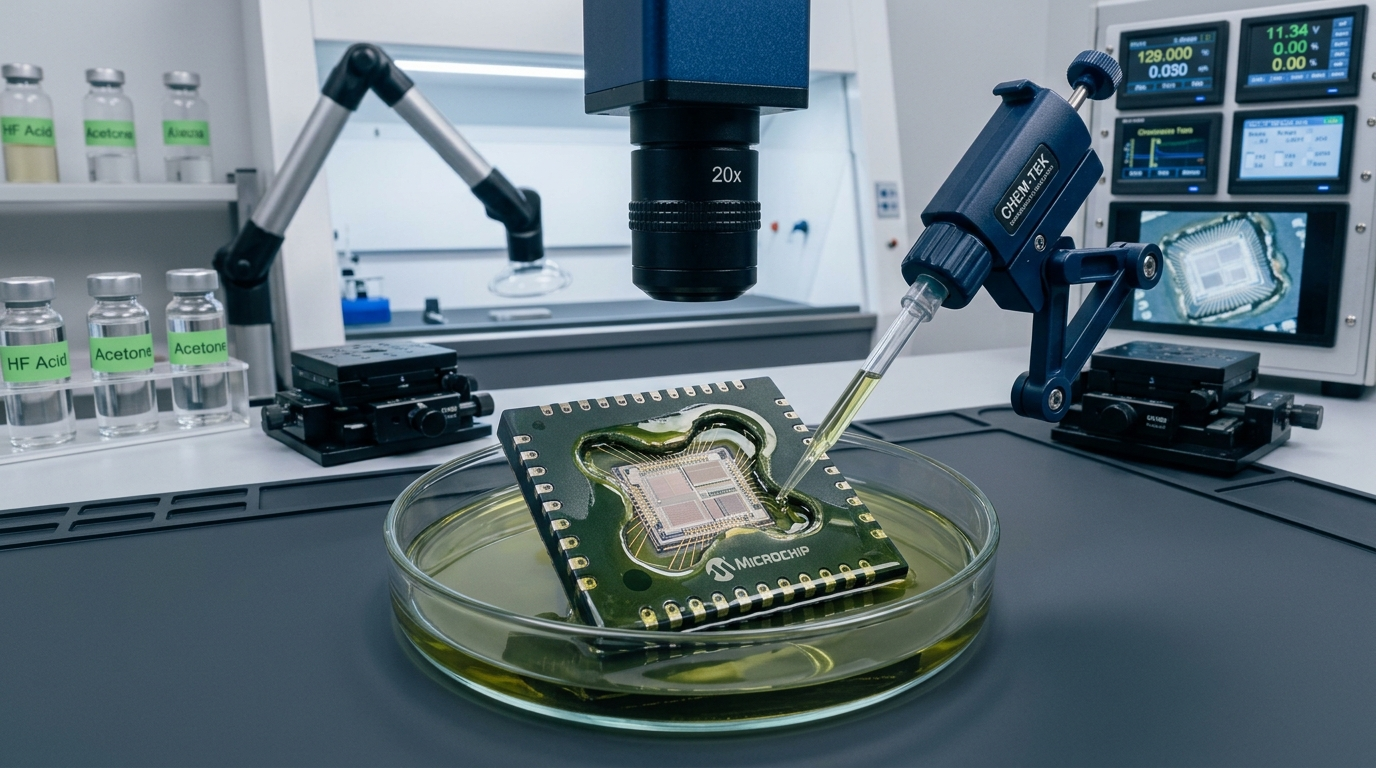
This distinction affects the technical choices available. An access restriction is a device-enforced limitation; encryption, by contrast, requires cryptographic transformation and an appropriate means of interpreting the resulting data. Engineers should consult the device datasheet and determine the exact lock-bit and fuse configuration before choosing a procedure. The ATmega32 documentation describes chip erase as the operation that clears the lock bits, but chip erase also removes the stored program and data contents, with EEPROM behavior depending on the relevant fuse setting. It therefore cannot be treated as a non-destructive method for retrieving a protected firmware image. See the Microchip ATmega32 datasheet.
Evaluating Copying, Dumping, and Replication
The terms dump, copy, replicate, and unlock refer to different stages or objectives in embedded analysis. A dump is a representation of memory contents that can actually be read. Copying preserves an available image, while replication involves programming a compatible target with a suitable image and verifying its behavior. Unlocking, however, refers to changing an access restriction and does not itself guarantee that the original data will remain intact or become readable.
For a Crack MCU ATmega32 Flash Memory project, engineers should first identify the device, document its board connections, check power and clock conditions, and review available programming interfaces. They can then assess any existing binary files and determine whether non-destructive analysis is possible. If the only available MCU is locked and no prior firmware image exists, the original Flash contents may not be recoverable through documented standard readout procedures. Unsupported claims of universal recovery should not replace a device-specific technical assessment.
Why Memory Integrity Matters
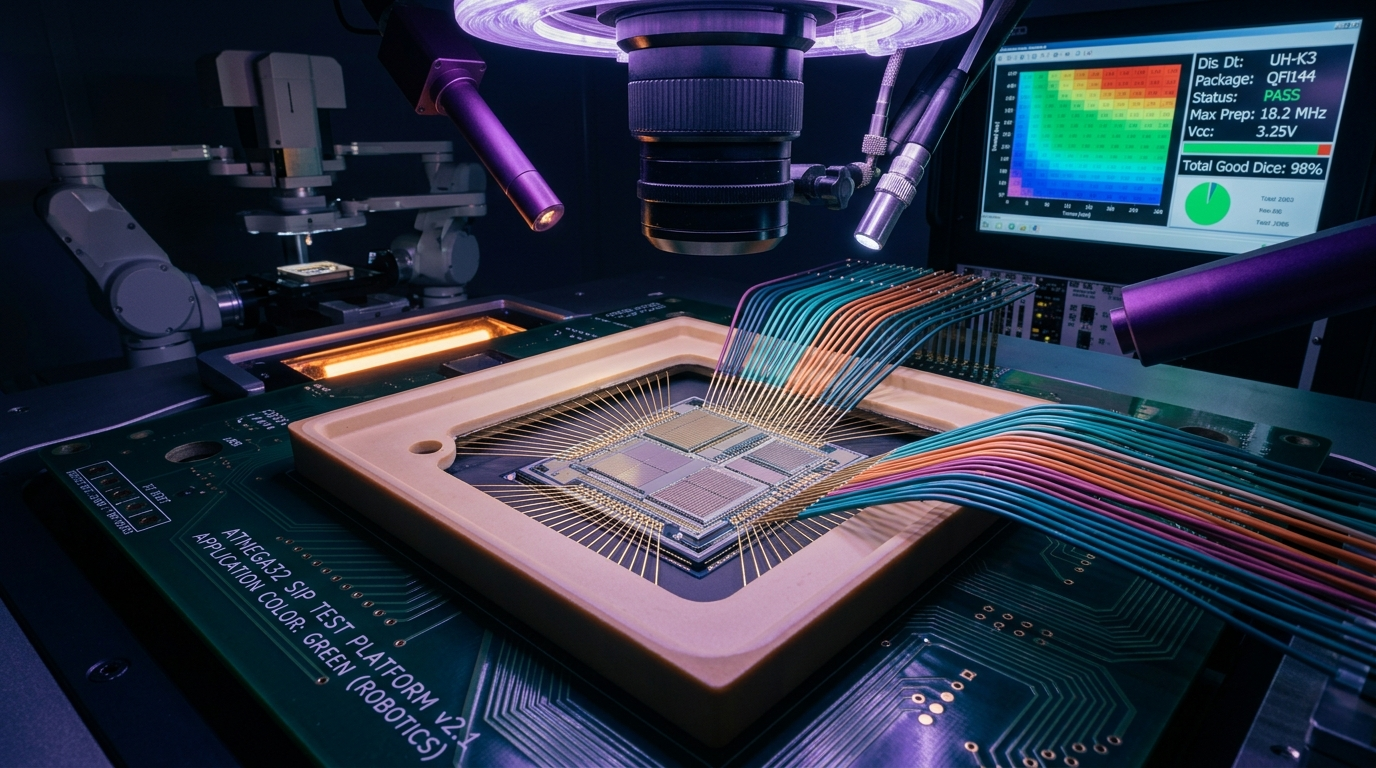
Firmware analysis is most useful when it preserves evidence and distinguishes confirmed findings from assumptions. An accessible binary can support version comparison, software-behavior research, hardware migration, and maintenance of discontinued products. EEPROM contents may require separate treatment because configuration data can differ from the executable program stored in Flash. A binary image may also need integrity checks before it is used for replication, since an incomplete or corrupted file can produce misleading results.
Ultimately, Crack MCU ATmega32 Flash Memory is best approached as a combination of memory analysis, instruction-level investigation, protection assessment, and evidence preservation. Its outcome depends on the device’s security configuration, physical condition, and the availability of valid firmware data. By establishing these factors early, engineers can choose a technically appropriate approach, avoid unnecessary destructive operations, and document what can realistically be learned from the microcontroller.