
-
Product Categories
-
Live Support Chat


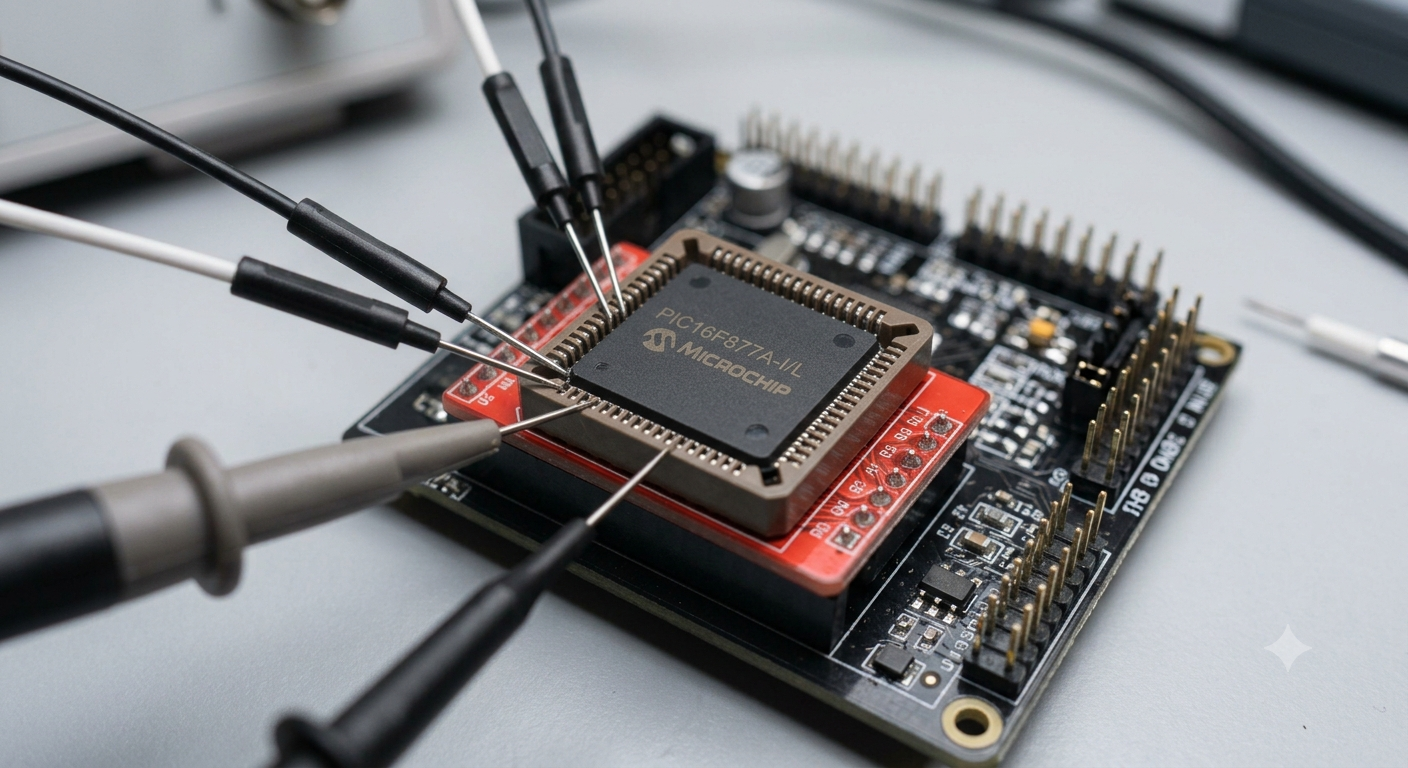
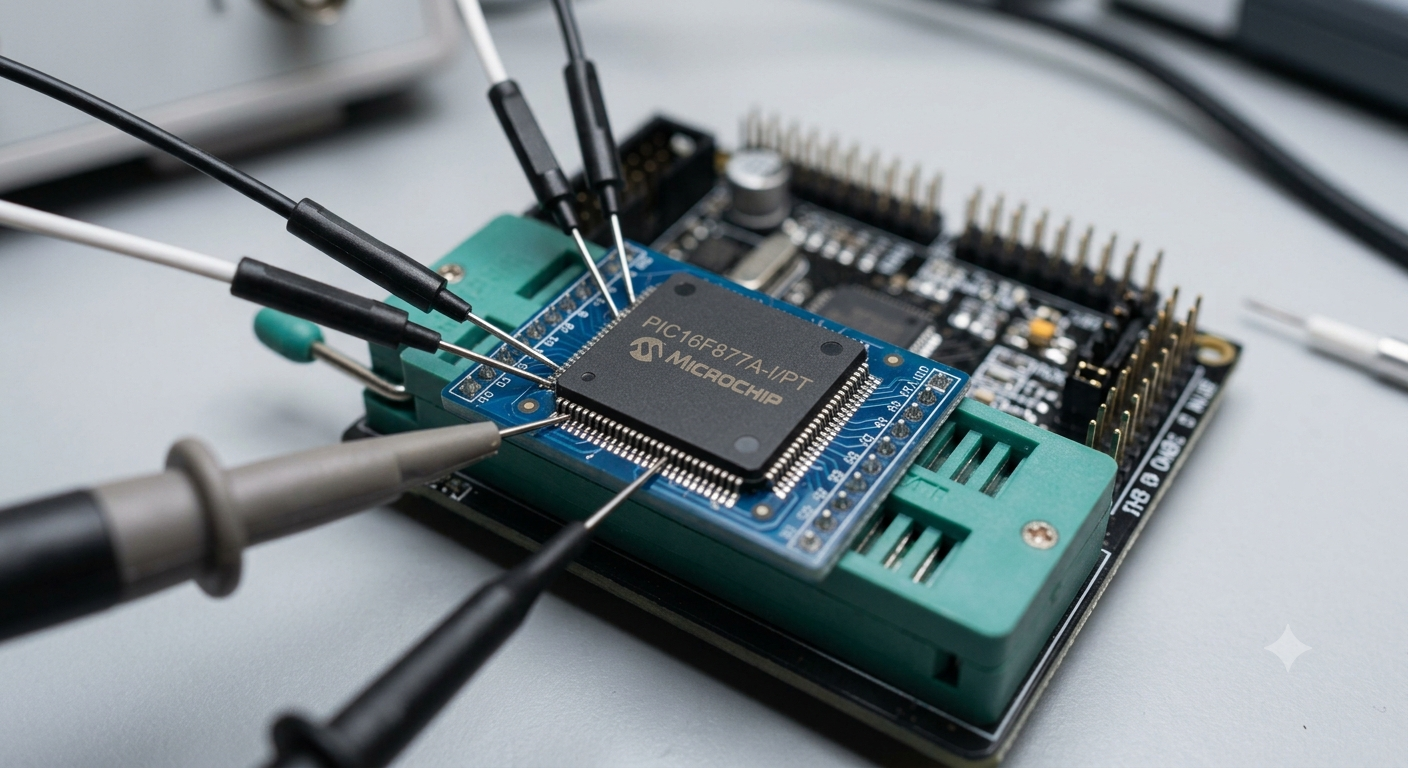
Clone MCU Chip Microchip PIC16F877A
The Microchip PIC16F877A is an iconic 8-bit CMOS microcontroller featuring an enhanced mid-range processing core, integrated analog-to-digital converters, flexible serial communication ports, and robust I/O capabilities. Heavily deployed in industrial process automation, automotive control modules, medical diagnostic instruments, and commercial security terminals, this versatile chip relies on built-in flash memory and internal eeprom arrays to execute core operational logic. To prevent unauthorized commercial copying and safeguard proprietary algorithmic investments, hardware designers routinely activate the device’s native code security configuration bits during manufacturing. This act of hardware protectionism creates a strictly locked state across the internal silicon substrate, erecting a protective electronic barrier that prevents standard in-circuit debuggers, programmers, and logic analyzers from performing an unauthorized readout of the embedded application code.
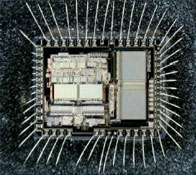
We can Clone MCU Chip Microchip PIC16F877A, please view the IC features for your reference:
When an analytical engineering laboratory receives a mandate to unlock, decrypt, or crack an encrypted microcontroller to perform a safe code readout, the operational workflow moves beyond standard software interaction into high-precision semiconductor engineering. Bypassing a locked security perimeter to execute a complete data dump requires non-destructive, hardware-level circuit interrogation that safely neutralizes active security bits without damaging the underlying logic matrix. Specialized laboratory technicians utilize advanced physical analysis methods—such as precise voltage-glitching, localized thermal profiling, or micro-probing directly on the exposed ic substrate—to temporarily disable the protective security flags. Once these hardware gates are temporarily lowered, engineers can interface directly with the internal storage compartments, enabling them to copy, dump, and extract the embedded machine code into an uncorrupted binary or heximal file for thorough system validation.
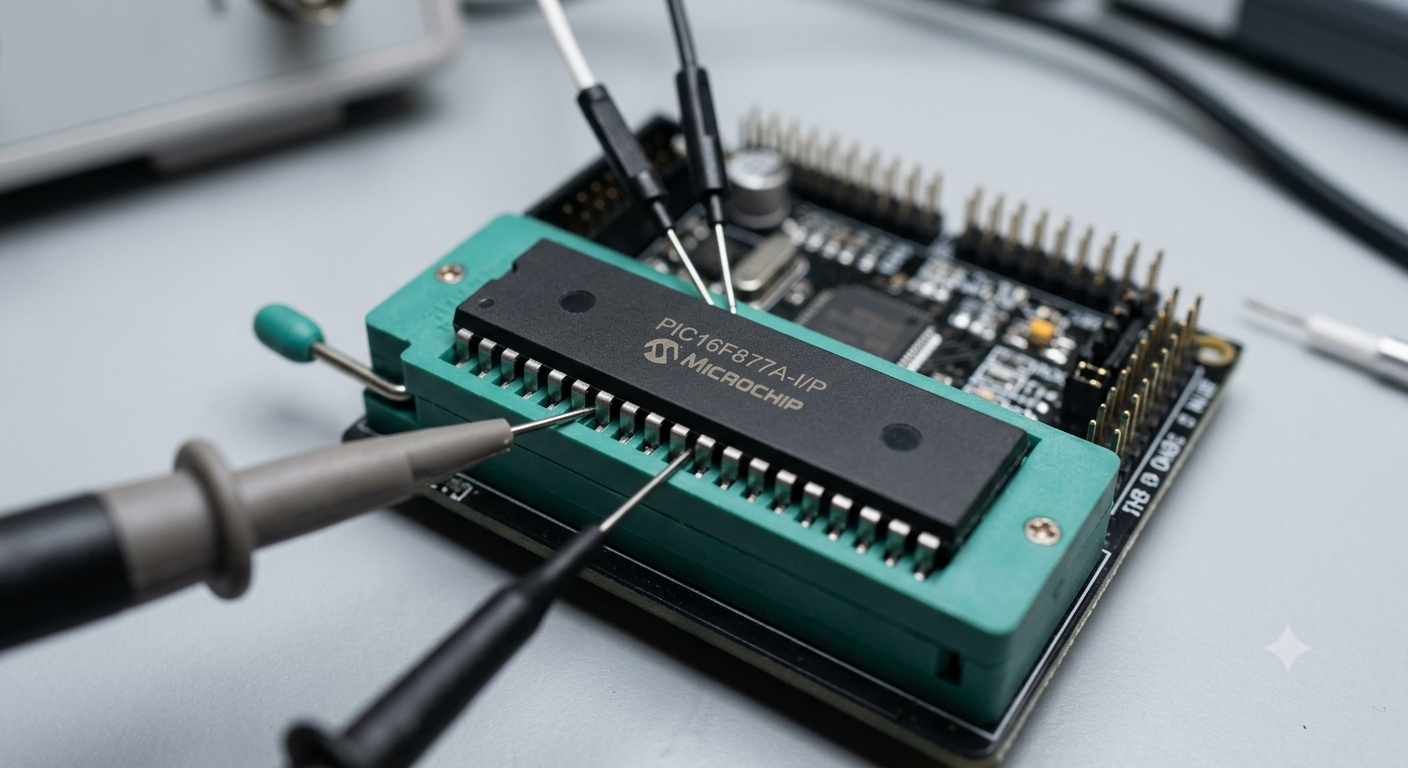
High-Performance RISC CPU:
· Only 35 single-word instructions to learn
· All single-cycle instructions except for program branches, which are two-cycle
· Operating speed: DC – 20 MHz clock input DC – 200 ns instruction cycle
· Up to 8K x 14 words of Flash Program Memory, Up to 368 x 8 bytes of Data Memory (RAM), Up to 256 x 8 bytes of EEPROM Data Memory
· Pinout compatible to other 28-pin or 40/44-pin PIC16CXXX and PIC16FXXX microcontrollers
Peripheral Features:
· Timer0: 8-bit timer/counter with 8-bit prescaler
· Timer1: 16-bit timer/counter with prescaler, can be incremented during Sleep via external crystal/clock
· Timer2: 8-bit timer/counter with 8-bit period register, prescaler and postscaler
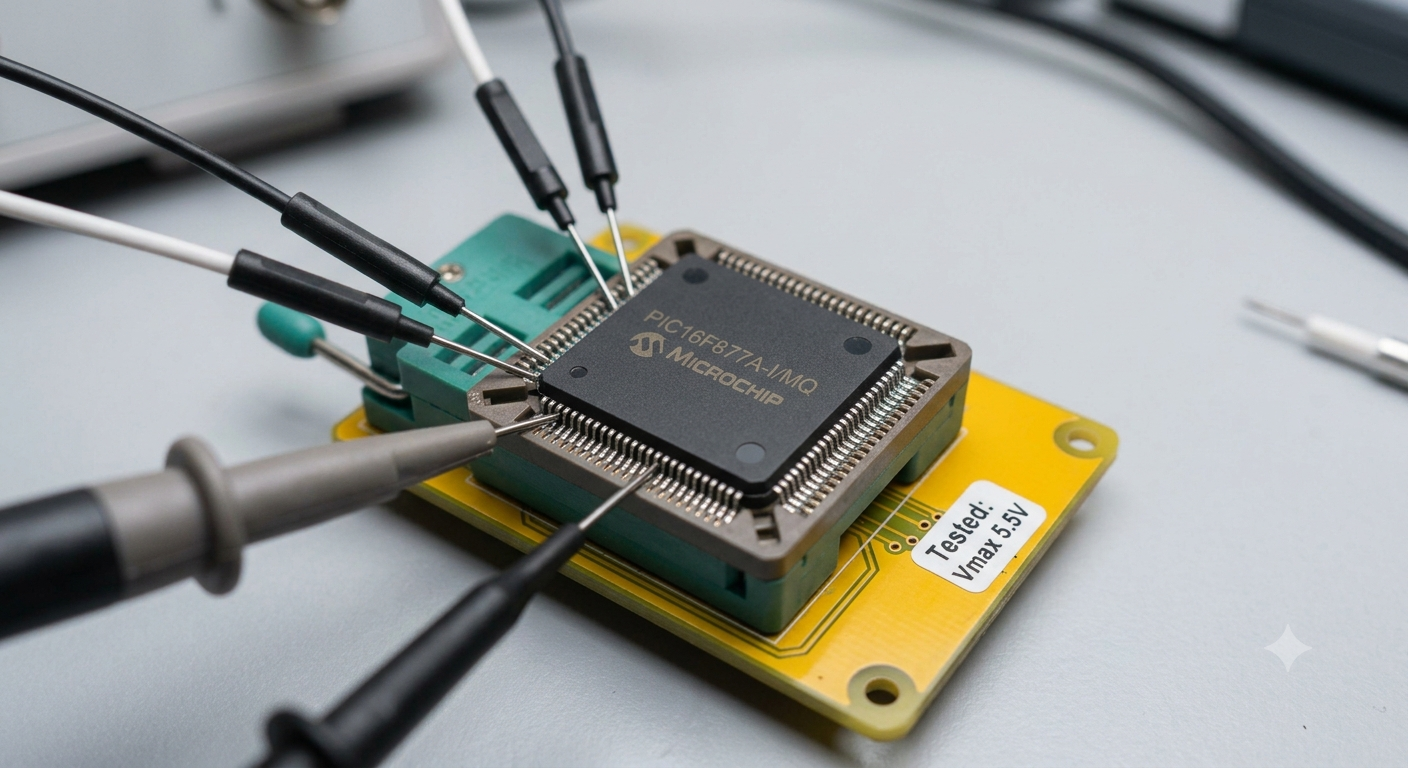
· Two Capture, Compare, PWM modules
– Capture is 16-bit, max. resolution is 12.5 ns
– Compare is 16-bit, max. resolution is 200 ns
The commercial imperative to replicate, copy, or fully extract active device code from an obsolete or completely outdate microchip framework is driven by modern supply chain realities and long-term asset preservation. Thousands of heavy manufacturing lines, utility sub-stations, and critical transit networks operate continuously under the control of legacy processing hardware that is no longer manufactured or supported by the original supplier. When the foundational source code repository is permanently lost due to historical drive failures, or the original design firm dissolves, a single controller breakdown can freeze a multi-million-dollar production line indefinitely. Extracting the compiled execution program directly from a functional backup module represents the only realistic method to maintain operational continuity. Reclaiming this vital operational data into an archival file allows corporate engineering teams to clone essential logic modules, replace damaged circuit boards, and preserve critical infrastructure without spending years of labor and millions of dollars rebuilding legacy software from scratch.
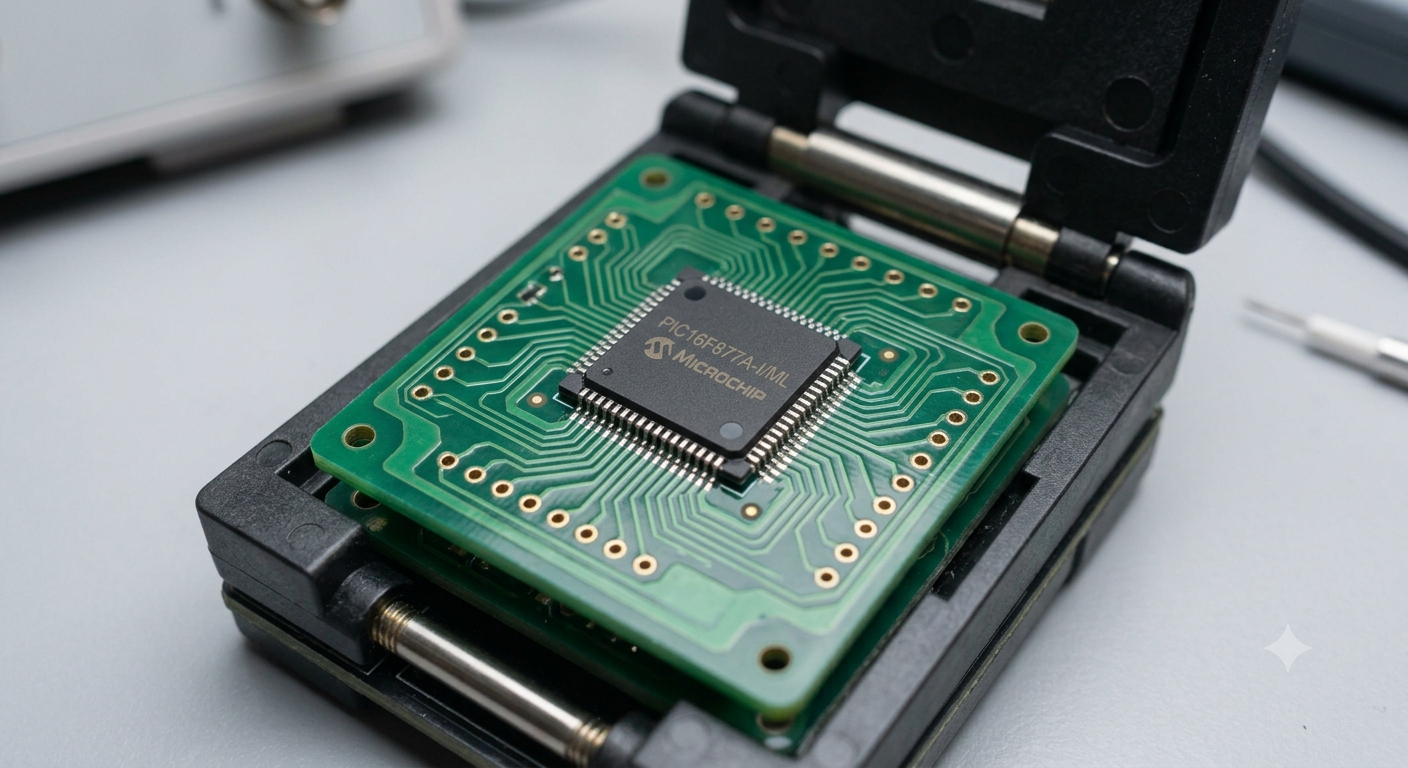
– PWM max. resolution is 10-bit
· Synchronous Serial Port (SSP) with SPI™ (Master mode) and I2C™ (Master/Slave)
· Universal Synchronous Asynchronous Receiver
Transmitter (USART/SCI) with 9-bit address detection
· Parallel Slave Port (PSP) – 8 bits wide with external RD, WR and CS controls (40/44-pin only)
· Brown-out detection circuitry for Brown-out Reset (BOR)
· Analog Comparator module with:
– Two analog comparators
– Programmable on-chip voltage reference (VREF) module
– Programmable input multiplexing from device inputs and internal voltage reference
– Comparator outputs are externally accessible
Special Microcontroller Features:
· 100,000 erase/write cycle Enhanced Flash program memory typical
· 1,000,000 erase/write cycle Data EEPROM memory typical
· Data EEPROM Retention > 40 years
· Self-reprogrammable under software control
· In-Circuit Serial Programming™ (ICSP™) via two pins
· Single-supply 5V In-Circuit Serial Programming
· Watchdog Timer (WDT) with its own on-chip RC oscillator for reliable operation
· Programmable code protection
· Power saving Sleep mode
· Selectable oscillator options
· In-Circuit Debug (ICD) via two pins
CMOS Technology:
· Low-power, high-speed Flash/EEPROM technology
· Fully static design
· Wide operating voltage range (2.0V to 5.5V)
· Commercial and Industrial temperature ranges after Clone MCU Chip Microchip PIC16F877A
· Low-power consumption
Our precision microelectronics facility delivers elite hardware analysis, logic bypass workflows, and seamless code recovery solutions for corporate end-users facing critical software preservation challenges. Our specialized engineering staff maintains extensive technical experience navigating complex multi-layer chip layouts across a broad catalog of hardware platforms, including specialized microcontrollers, complex programmable logic devices (cpld), arm processors, digital signal processors (dsp), and high-density altera chip architectures. Operating cleanroom-grade diagnostic platforms, we systematically work through localized hardware locks to retrieve hidden logic parameters while preserving the complete operational integrity of your master processing device. We transform raw hardware extractions into fully validated, production-ready firmware packages that can be directly written onto fresh replacement target components. Partnering with our specialized laboratory enables your business to eliminate costly redevelopment cycles, instantly recover lost build histories, and secure your long-term legacy investments. Contact our technical team today to arrange a precise evaluation for your chip recovery project.