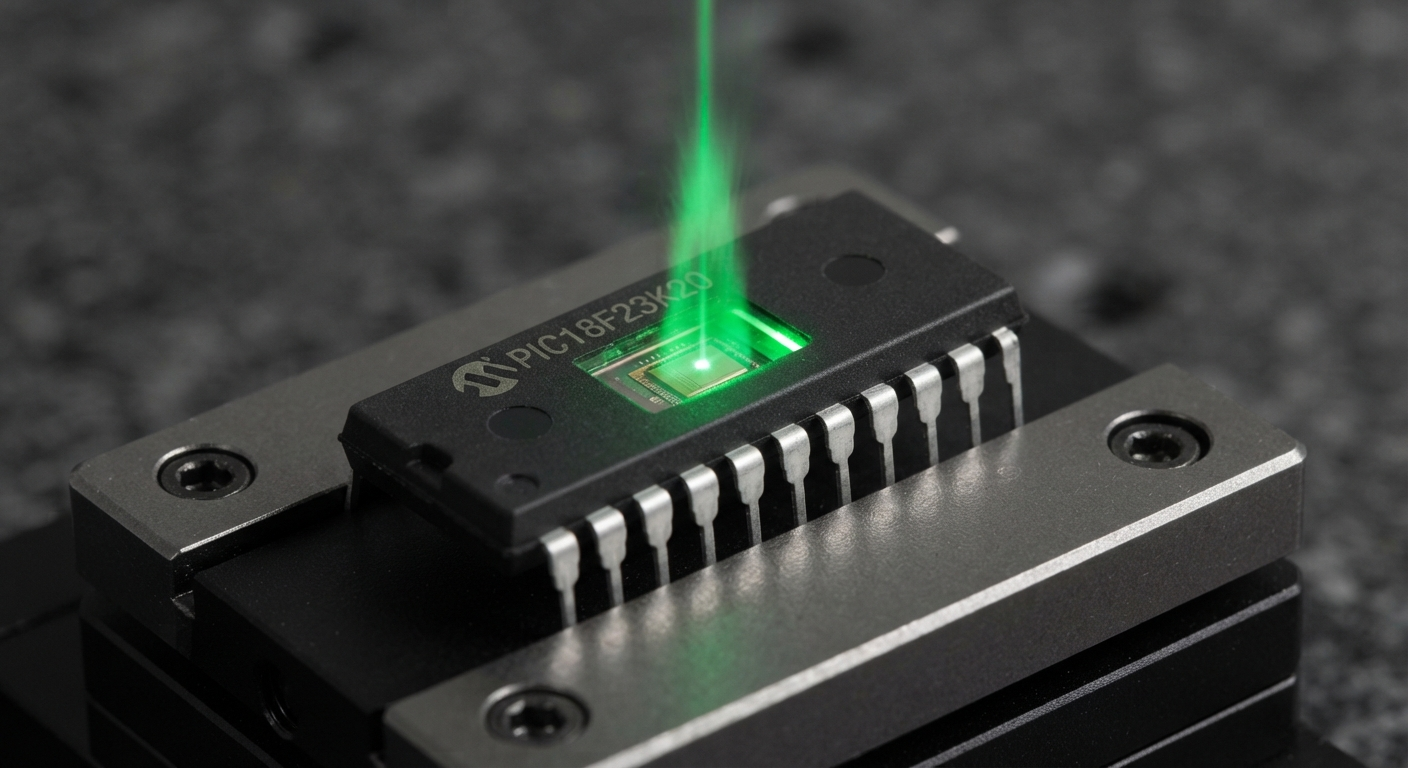
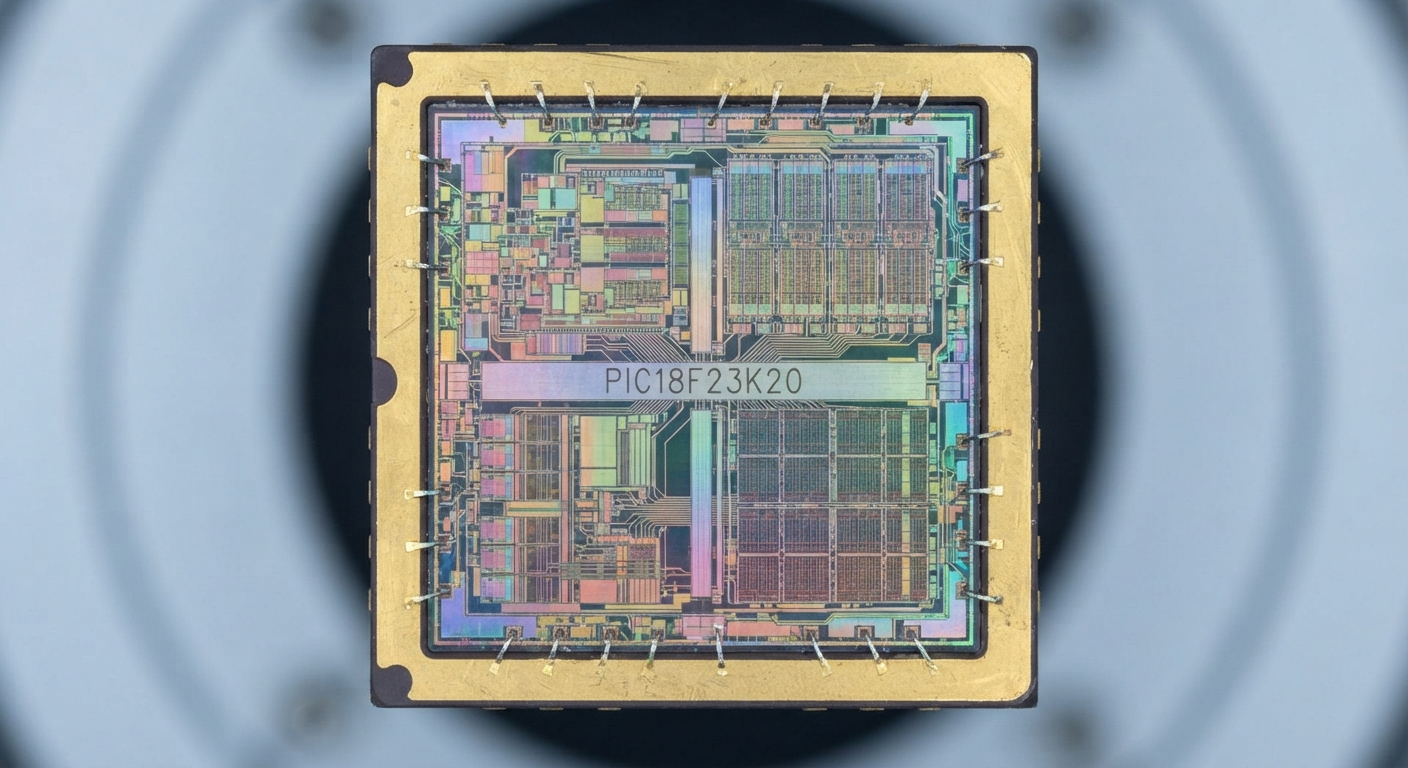
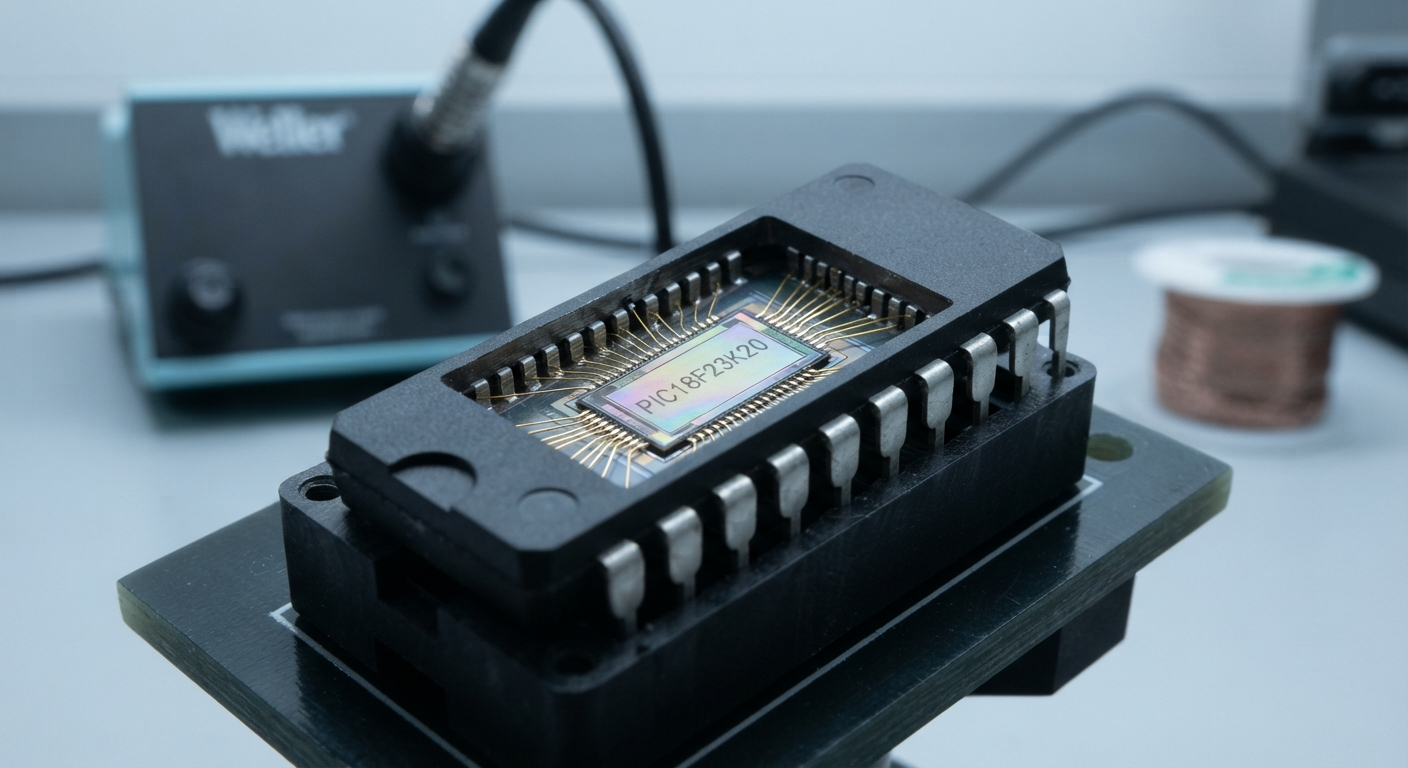
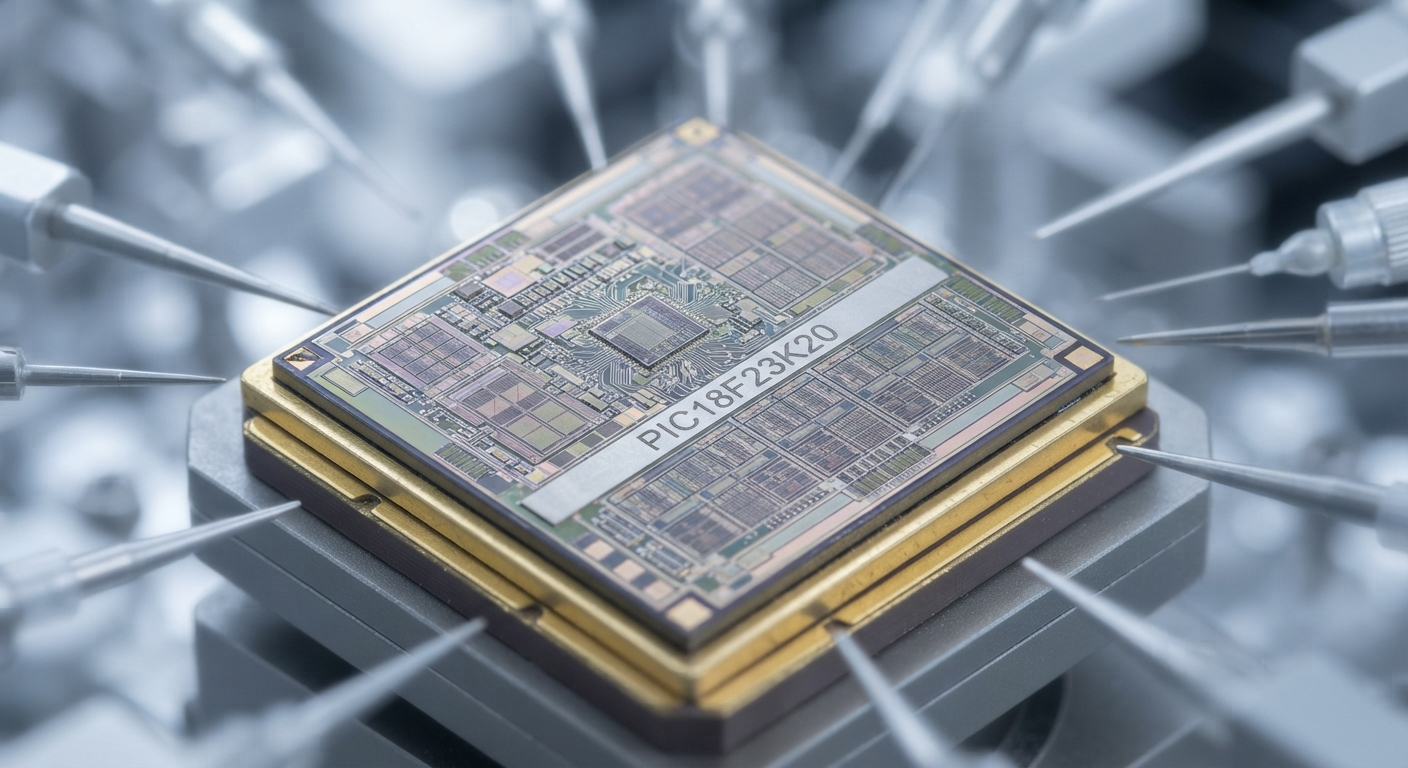
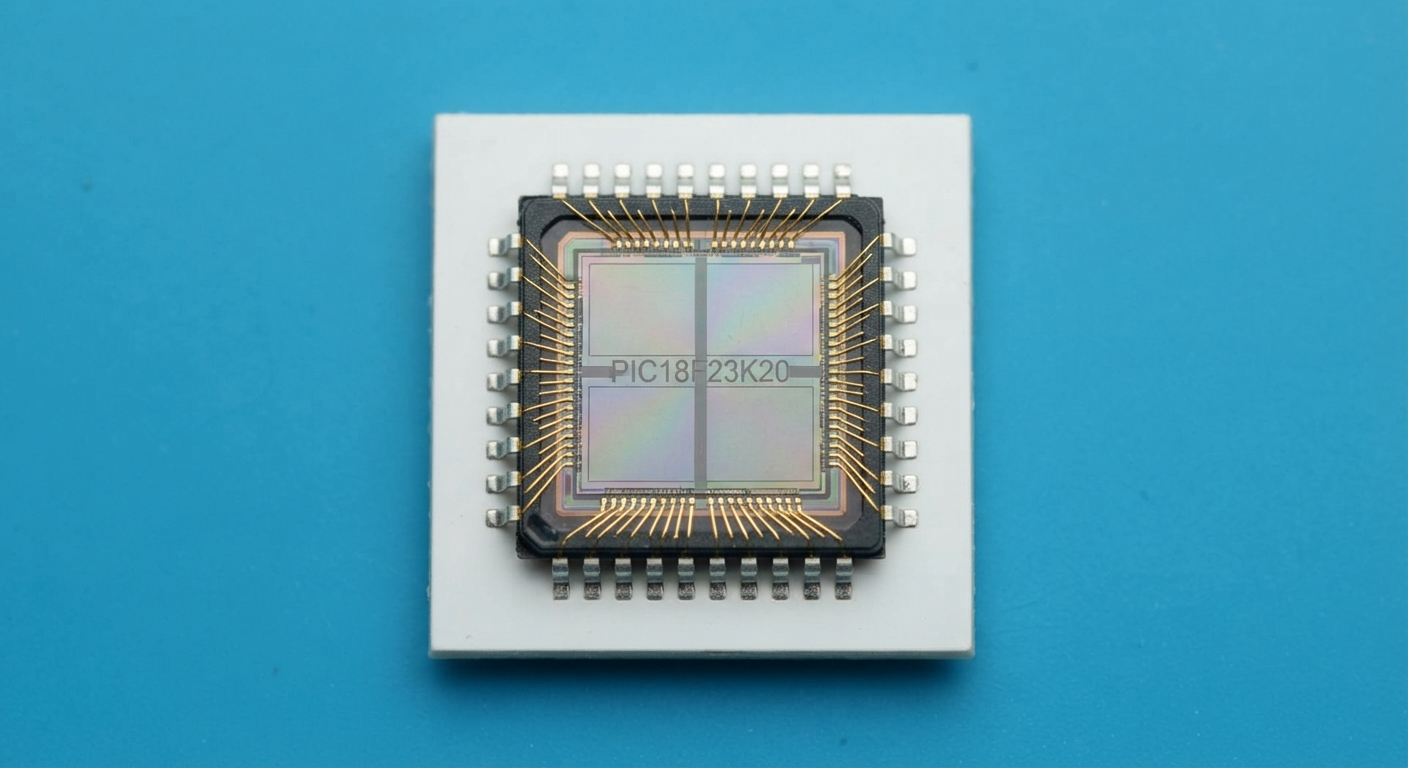
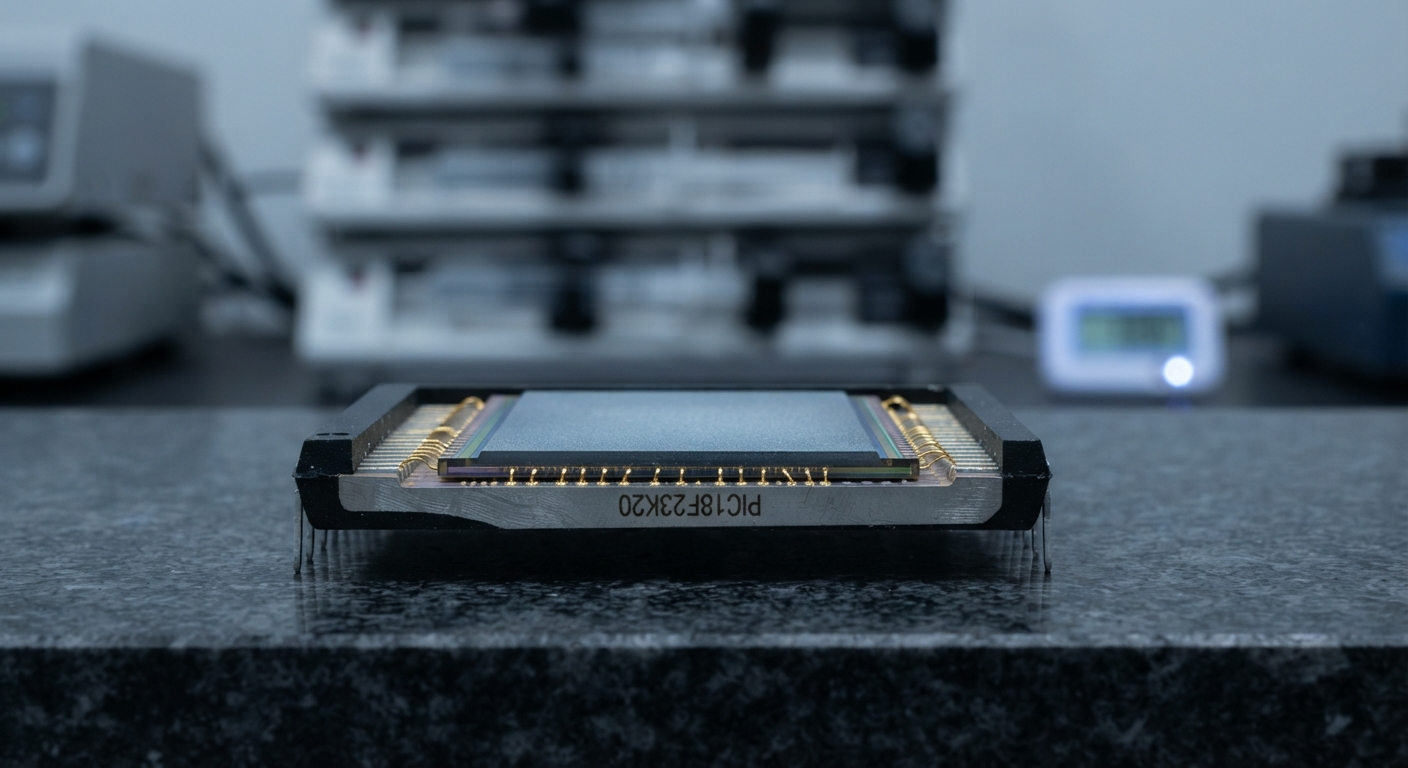
The Microchip PIC18F23K20 is a versatile 8-bit mcu developed for embedded applications that require dependable control, integrated peripherals, and efficient memory management. Its architecture makes it suitable for industrial automation, automotive electronics, instrumentation, power-control equipment, communication products, consumer electronics, and specialized embedded controllers. With integrated program flash, eeprom, RAM memory, timers, analog functions, communication interfaces, and configurable I/O, the PIC18F23K20 can support a wide variety of control applications while maintaining a compact hardware design.
La frase crack IC PIC18F23K20 esadecimale si riferisce generalmente all’esigenza ingegneristica di recuperare o analizzare un’immagine di programmazione inaccessibile associata a un dispositivo esistente. Nei progetti autorizzati di recupero e manutenzione, i clienti possono richiedere a specialisti di sbloccare, leggere, eseguire un dump, copiare, replicare o preservare le informazioni memorizzate all’interno di un microcontrollore protetto PIC18F23K20. A seconda del microprocessore PIC18F23K20 e delle sue condizioni, le risorse pertinenti possono includere flash, eeprom, memoria, programma, file, dati, formato esadecimale, formato binario, firmware, codice sorgente e software. Termini come violare la protezione e decrittografare vengono frequentemente utilizzati per descrivere questo tipo di esigenza di recupero, sebbene il lavoro di ingegneria professionale implichi una valutazione dettagliata del dispositivo piuttosto che un semplice comando software. L’obiettivo è determinare se le informazioni integrate autorizzate dal cliente possano essere recuperate e preservate, mantenendo al contempo l’integrità del microcontrollore PIC18F23K20 originale e dei file di ingegneria risultanti.
Crack IC PIC18F23K20 secured system by disable MCU PIC18F23K20 fuse bit, heximal will be extracted out from unlocked flash and eeprom memory, copy firmware into blank Microcontroller PIC18F23K20 which will provide the same functions as original MCU as recovery
Power-Managed Modes:
Run: CPU on, peripherals on
Idle: CPU off, peripherals on
Sleep: CPU off, peripherals off
Idle mode currents down to 1.0 ìA, typical
Sleep mode current down to 0.1 ìA, typical
Timer1 Oscillator: 1.0 ìA, 32 kHz, 1.8V, typical
Watchdog Timer: 2.0 ìA, 1.8V, typical
Two-Speed Oscillator Start-up
Peripheral Highlights:
High-current sink/source 25 mA/25 mA
Three programmable external interrupts
Four independent input-change interrupts
8 independent weak pull-ups
Programmable slew rate
Capture/Compare/PWM (CCP) module
Enhanced Capture/Compare/PWM (ECCP) module:
– One, two or four PWM outputs
– Selectable polarity
– Programmable dead time
– Auto-Shutdown and Auto-Restart
Master Synchronous Serial Port (MSSP) module supporting 3-wire SPI (all 4 modes) and I2C™
Master and Slave modes with address mask
Enhanced Addressable USART module:
– Supports RS-485, RS-232 and LIN 2.0
La expresión crack IC PIC18F23K20 hexadecimal se refiere generalmente a la necesidad de ingeniería de recuperar o analizar una imagen de programación inaccesible asociada a un dispositivo existente. En proyectos autorizados de recuperación y mantenimiento, los clientes pueden requerir que especialistas desbloqueen, realicen una lectura, hagan un volcado, copien, repliquen o preserven la información almacenada dentro de un microcontrolador protegido PIC18F23K20. Dependiendo del microprocesador PIC18F23K20 y de su estado, los recursos pertinentes pueden incluir flash, eeprom, memoria, programa, archivo, datos, formato hexadecimal, formato binario, firmware, código fuente y software. Términos como romper la protección y descifrar se utilizan frecuentemente para describir este tipo de necesidad de recuperación, aunque el trabajo de ingeniería profesional implica una evaluación detallada del dispositivo en lugar de un simple comando de software. El objetivo es determinar si la información integrada autorizada por el cliente puede recuperarse y preservarse manteniendo al mismo tiempo la integridad del microcontrolador PIC18F23K20 original y de los archivos de ingeniería resultantes.
– RS-232 operation using internal oscillator block (no external crystal required)
– Auto-Wake-up on Break
– Auto-Baud Detect
10-bit, up to 14-channel Analog-to-Digital Converter module (ADC):
– Auto-acquisition capability
– Conversion available during Sleep
– Internal 1.2V Fixed Voltage Reference (FVR) channel
– Independent input multiplexing
Dual analog comparators
– Rail-to-rail operation
– Independent input multiplexing
Programmable On-Chip Voltage Reference (CVREF) module (% of VDD)
Special Microcontroller Features:
· C compiler optimized architecture:
A expressão crack IC PIC18F23K20 hexadecimal geralmente se refere à necessidade de engenharia de recuperar ou analisar uma imagem de programação inacessível associada a um dispositivo existente. Em projetos autorizados de recuperação e manutenção, os clientes podem precisar que especialistas desbloqueiem, façam a leitura, realizem um dump, copiem, repliquem ou preservem informações armazenadas em um microcontrolador protegido PIC18F23K20. Dependendo do microprocessador PIC18F23K20 e de suas condições, os recursos relevantes podem incluir flash, eeprom, memória, programa, arquivo, dados, formato hexadecimal, formato binário, firmware, código-fonte e software. Termos como quebrar a proteção e descriptografar são frequentemente utilizados para descrever esse tipo de necessidade de recuperação, embora o trabalho de engenharia profissional envolva uma avaliação detalhada do dispositivo, em vez de um simples comando de software. O objetivo é determinar se as informações incorporadas e autorizadas pelo cliente podem ser recuperadas e preservadas, mantendo a integridade do microcontrolador PIC18F23K20 original e dos arquivos de engenharia resultantes.
– Optional extended instruction set designed to optimize re-entrant code
L’expression crack IC PIC18F23K20 hexadécimal désigne généralement le besoin technique de récupérer ou d’analyser une image de programmation inaccessible associée à un dispositif existant. Dans le cadre de projets autorisés de récupération et de maintenance, les clients peuvent demander à des spécialistes de déverrouiller, lire, effectuer un dump, copier, répliquer ou préserver les informations stockées dans un microcontrôleur protégé PIC18F23K20. Selon le microprocesseur PIC18F23K20 et son état, les ressources concernées peuvent comprendre la flash, l’eeprom, la mémoire, le programme, le fichier, les données, le format hexadécimal, le format binaire, le firmware, le code source et les logiciels. Des termes tels que contourner la protection et décrypter sont fréquemment utilisés pour décrire ce type de besoin de récupération, bien que le travail d’ingénierie professionnel implique une évaluation détaillée du dispositif plutôt qu’une simple commande logicielle. L’objectif est de déterminer si les informations intégrées autorisées par le client peuvent être récupérées et préservées tout en maintenant l’intégrité du microcontrôleur PIC18F23K20 d’origine et des fichiers d’ingénierie qui en résultent.
Terms such as crack and decrypt are frequently used to describe this type of recovery requirement, although professional engineering work involves detailed device assessment rather than a simple software command. The objective is to determine whether customer-authorized embedded information can be recovered and preserved while maintaining the integrity of the original hardware and the resulting engineering files.
A reliable recovery path can help organizations preserve binary images, heximal programming files, firmware, calibration data, and other essential engineering information. These resources can support replacement-board development, equipment refurbishment, product migration, troubleshooting, and long-term maintenance. For manufacturers with large installed equipment bases, preserving the original embedded program can also reduce redevelopment costs and minimize production downtime.
De uitdrukking crack IC PIC18F23K20 hexadecimaal verwijst doorgaans naar de technische behoefte om een ontoegankelijke programmeerimage die verband houdt met een bestaand apparaat te herstellen of te analyseren. In geautoriseerde herstel- en onderhoudsprojecten kunnen klanten specialisten nodig hebben om informatie die is opgeslagen in een beveiligde microcontroller PIC18F23K20 te ontgrendelen, uit te lezen, te dumpen, te kopiëren, te repliceren of te bewaren. Afhankelijk van de PIC18F23K20-microprocessor en de toestand ervan kunnen de relevante gegevens bestaan uit flash, eeprom, geheugen, programma, bestand, gegevens, hexadecimale informatie, binaire informatie, firmware, broncode en software. Termen zoals de beveiliging kraken en decrypten worden vaak gebruikt om dit type herstelbehoefte te beschrijven, hoewel professioneel engineeringwerk een gedetailleerde beoordeling van het apparaat vereist in plaats van een eenvoudige softwareopdracht. Het doel is vast te stellen of door de klant geautoriseerde ingebedde informatie kan worden teruggewonnen en bewaard, terwijl tegelijkertijd de integriteit van de oorspronkelijke PIC18F23K20-microcontroller en de daaruit voortvloeiende technische bestanden behouden blijft.
Our engineering team provides professional microcontroller analysis and data-preservation services for customers working with legacy and protected embedded electronics. A PIC18F23K20 project can begin with a detailed evaluation of the supplied microcontroller, including its physical condition, protection status, surrounding circuitry, and available technical documentation.
Der Ausdruck crack IC PIC18F23K20 hexadezimal bezieht sich im Allgemeinen auf die technische Anforderung, ein nicht zugängliches Programmierabbild eines bestehenden Geräts wiederherzustellen oder zu analysieren. Bei autorisierten Wiederherstellungs- und Wartungsprojekten können Kunden Spezialisten damit beauftragen, in einem geschützten Mikrocontroller PIC18F23K20 gespeicherte Informationen zu entsperren, auszulesen, zu dumpen, zu kopieren, zu replizieren oder zu sichern. Je nach PIC18F23K20-Mikroprozessor und dessen Zustand können die relevanten Ressourcen Flash, EEPROM, Speicher, Programm, Datei, Daten, hexadezimale Daten, binäre Daten, Firmware, Quellcode und Software umfassen. Begriffe wie den Schutz knacken und entschlüsseln werden häufig verwendet, um diese Art von Wiederherstellungsanforderung zu beschreiben, obwohl professionelle Ingenieurarbeiten eine detaillierte Bewertung des Geräts erfordern und nicht lediglich aus einem einfachen Softwarebefehl bestehen. Ziel ist es festzustellen, ob vom Kunden autorisierte eingebettete Informationen wiederhergestellt und gesichert werden können, während gleichzeitig die Integrität des ursprünglichen PIC18F23K20-Mikrocontrollers und der daraus resultierenden technischen Dateien erhalten bleibt.
Recovering PIC18F23K20 programming information can be an important part of maintaining legacy embedded products. Rather than discarding functional equipment simply because its original development resources are unavailable, organizations can evaluate professional recovery options and determine what information may still be preserved. Our technical capabilities help end users protect valuable engineering investments, maintain existing products, support replacement hardware development, and extend the service life of embedded systems through structured analysis, responsible recovery, and long-term engineering support.
Send us the part number, package type and quantity and we will confirm the feasible method, the deliverable and the turnaround before any sample is touched.