
-
Product Categories
-
Live Support Chat


Reverse AVR Microcontroller atmel ATtiny4313
Reverse AVR Microcontroller Atmel ATtiny4313 is a highly specialized engineering service focused on firmware recovery and system replication for embedded devices built around the compact ATtiny4313. This AVR microcontroller integrates 4KB Flash memory, 256 bytes EEPROM, 256 bytes SRAM, along with timers, SPI communication, UART interface, and flexible I/O control. Its efficient architecture and low pin count make it widely deployed in industrial control modules, consumer electronics, motor drivers, security systems, and small automation equipment. Despite its simplicity, the ATtiny4313 MCU often incorporates protective mechanisms such as locked fuse bits and encrypted memory configurations, designed to prevent unauthorized firmware access. These protection schemes ensure that the embedded program, data, and system logic stored inside the chip remain secure throughout the product lifecycle.
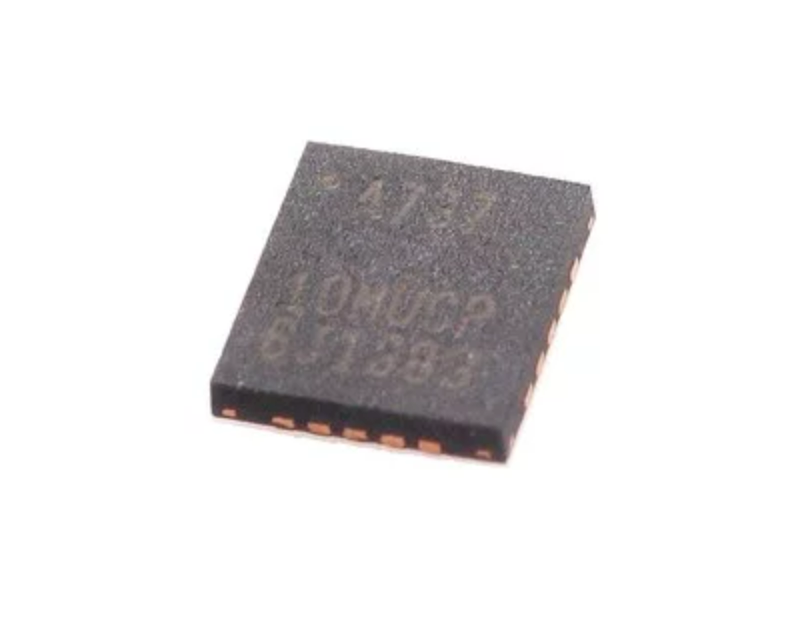
In practical applications, reversing or pulling MCU firmware refers to the process of extracting the embedded program file, binary data, or heximal archive from a secured microcontroller. When a chip is locked, conventional tools cannot readout or dump the firmware directly, requiring advanced techniques to crack, unlock, decrypt, and copy the firmware stored in Flash and EEPROM memory. The goal is to recover the complete firmware archive—including program instructions, configuration data, and calibration parameters—from a protected microprocessor or microchip. This process enables engineers to reconstruct the binary file and restore a usable firmware image, even when the original source code or software archive is unavailable. Firmware readout and replication are critical steps in ensuring that the MCU can be duplicated and reused across new or replacement hardware platforms.
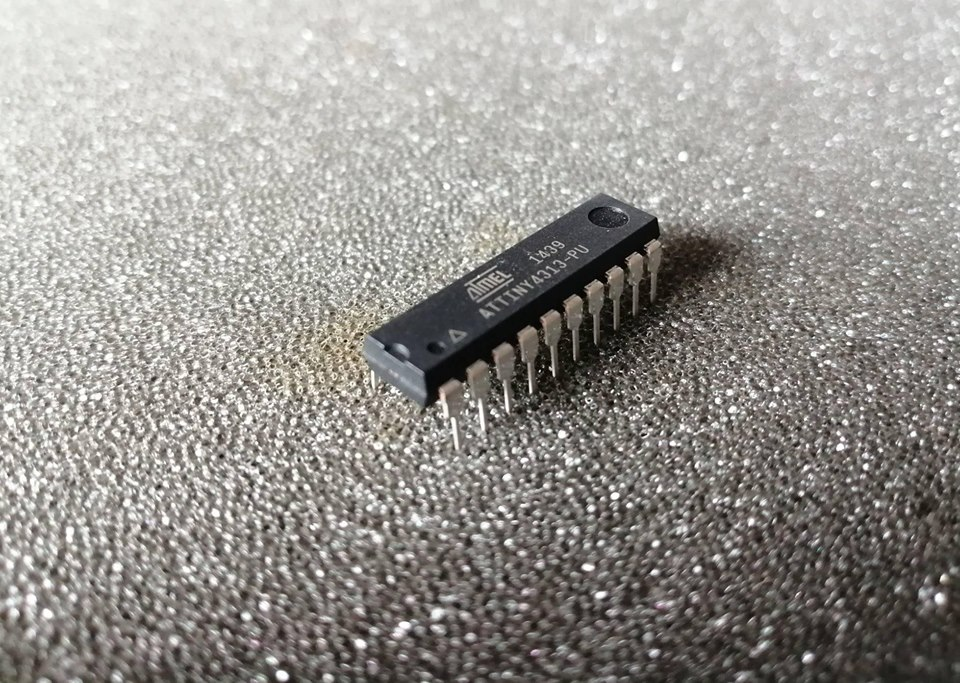
The ATtiny2313A/4313 provides the following features: 2/4K bytes of In-System Programmable Flash, 128/256 bytes EEPROM, 128/256 bytes SRAM, 18 general purpose I/O lines, 32 general purpose working registers, a single-wire Interface for On-chip Debugging, two flexible Timer/Counters with compare modes, internal and external interrupts, a serial programmable USART, Universal Serial Interface with Start Condition Detector, a programmable Watchdog Timer with internal Oscillator, and three software selectable power saving modes after Reverse engineering Microcontroller.
The Idle mode stops the CPU while allowing the SRAM, Timer/Counters, and interrupt system to continue functioning.
The Power-down mode saves the register contents but freezes the Oscillator, disabling all other chip functions until the next interrupt or hardware reset. In Standby mode, the crystal/resonator Oscillator is running while the rest of the device is sleeping. This allows very fast start-up combined with low-power consumption.
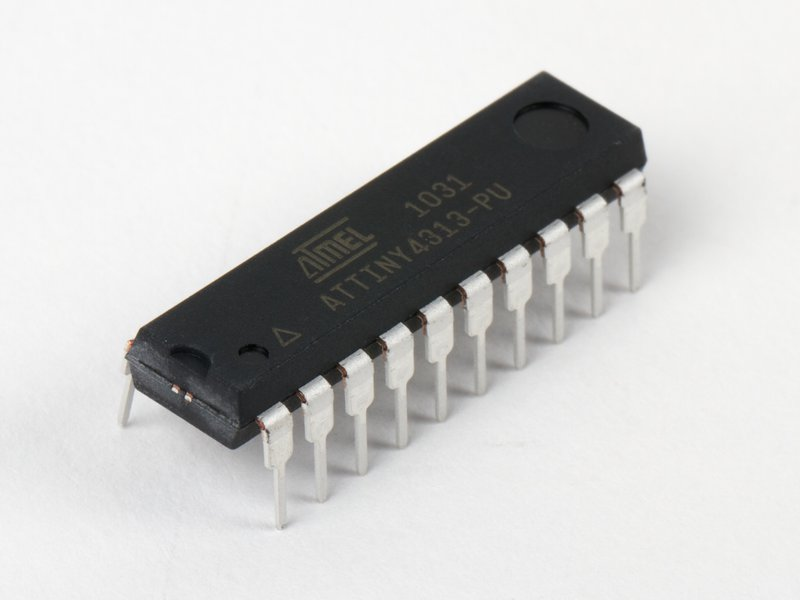
The device is manufactured using Atmel’s high density non-volatile memory technology. The On-chip ISP Flash allows the program memory to be reprogrammed In-System through an SPI serial interface, or by a conventional non-volatile memory programmer. By combining an 8-bit RISC CPU with In-System Self-Programmable Flash on a monolithic chip, the Atmel ATtiny2313A/4313 is a powerful microcontroller that provides a highly flexible and cost effective solution to many embedded control applications.
The Reverse AVR Microcontroller Atmel ATtiny4313 service addresses growing market demand driven by obsolete and outdated electronic systems. Many industries continue to rely on legacy MCU, DSP, ARM-based controllers, or even CPLD-based systems where original firmware files, source code, or design documentation have been lost. In such cases, the ability to dump, decrypt, and replicate firmware from a locked chip becomes essential for maintaining production continuity and repairing existing equipment. Engineers may need to crack protected IC memory, unlock encrypted program data, and copy firmware binary archives to ensure compatibility with existing systems. This capability is particularly valuable in industrial automation, automotive electronics, and specialized control equipment where redesigning hardware around a new microcontroller would be costly and time-consuming.
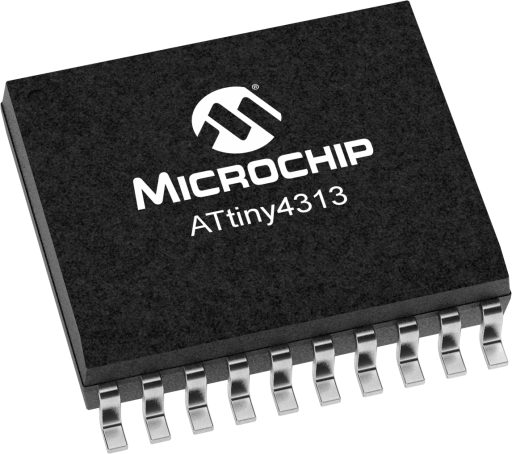
Technically, handling a locked ATtiny4313 microcontroller involves overcoming multiple layers of protection. The MCU may feature encrypted or protected Flash memory, secured EEPROM data, and fuse configurations that disable readout functions. Any incorrect attempt to access the memory can result in data loss, making the firmware extraction process highly sensitive. Advanced methods are required to carefully readout, dump, and reconstruct the firmware file while preserving data integrity. The recovered binary or heximal file must be verified to ensure it matches the original program behavior before replication. These technical challenges highlight the importance of controlled processes and expertise when dealing with protected microcontrollers and encrypted firmware environments.
Our capability in reverse engineering AVR microcontrollers enables us to provide reliable firmware recovery solutions for end users. We specialize in extracting firmware from locked or protected chips, reconstructing binary archives, and delivering ready-to-use program files for MCU replication. By helping clients unlock encrypted firmware, recover critical data, and rebuild software archives, we enable continued production, system maintenance, and lifecycle extension of embedded products. This service not only reduces development costs but also preserves valuable intellectual property stored within the microcontroller memory. Ultimately, reversing and replicating firmware from an ATtiny4313 transforms inaccessible data into a strategic engineering resource, ensuring long-term reliability and operational sustainability for legacy electronic systems.