-
Product Categories
-
Live Support Chat


Recover Microprocessor IC NXP LPC2478
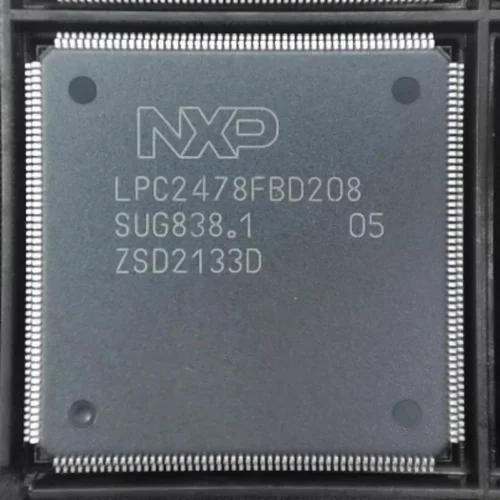
The NXP LPC2478 is a powerhouse in the world of embedded systems, featuring an ARM7TDMI-S core and a rich set of peripherals like a built-in LCD controller. This Microcontroller is widely deployed in industrial control units, medical diagnostic equipment, and complex automotive interfaces. To safeguard the intellectual property stored within, NXP integrated robust PROTECTIVE mechanisms. These security features, such as Code Read Protection (CRP), are designed to prevent unauthorized access to the internal FLASH and EEPROM. By implementing these LOCKED states, manufacturers ensure their FIRMWARE remains confidential, making the IC resilient against basic tampering and data theft.
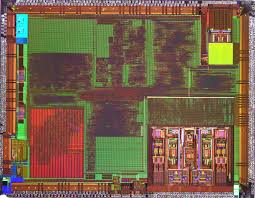
We can Recover Microprocessor IC NXP Semiconductors, please view the chip features for your reference:
NXP Semiconductors designed the LPC2478 microcontroller, powered by the ARM7TDMI-S core, to be a highly integrated microcontroller for a wide range of applications that require advanced communications and high quality graphic displays. The LPC2478 microcontroller has 512 kB of on-chip high-speed flash memory. This flash memory includes a special 128-bit wide memory interface and accelerator architecture that enables the CPU to execute sequential instructions from flash memory at the maximum 72 MHz system clock rate. This feature is available only on the LPC2000 ARM microcontroller family of products. The LPC2478, with real-time debug interfaces that include both JTAG and embedded trace, can execute both 32-bit ARM and 16-bit Thumb instructions.
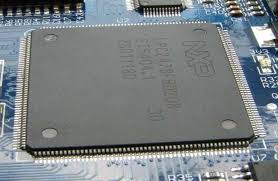
The LPC2478 microcontroller incorporates an LCD controller, a 10/100 Ethernet Media Access Controller (MAC), a USB full-speed Device/Host/OTG Controller with 4 kB of endpoint RAM, four UARTs, two Controller Area Network (CAN) channels, an SPI interface, two Synchronous Serial Ports (SSP), three I2C interfaces, and an I2S interface. Supporting this collection of serial communications interfaces are the following feature components; an on-chip 4 MHz internal oscillator, 98 kB of total RAM consisting of 64 kB of local SRAM, 16 kB SRAM for Ethernet, 16 kB SRAM for general purpose DMA, 2 kB of battery powered SRAM, and an External Memory Controller (EMC). These features make this device optimally suited for portable electronics and Point-of-Sale (POS) applications. Complementing the many serial communication controllers, versatile clocking capabilities, and memory features are various 32-bit timers, a 10-bit ADC, 10-bit DAC, two PWM units, and up to 160 fast GPIO lines. The LPC2478 connects 64 of the GPIO pins to the hardware based Vector Interrupt Controller (VIC) that means these external inputs can generate edge-triggered interrupts. All of these features make the LPC2478 device particularly suitable for industrial control and medical systems.
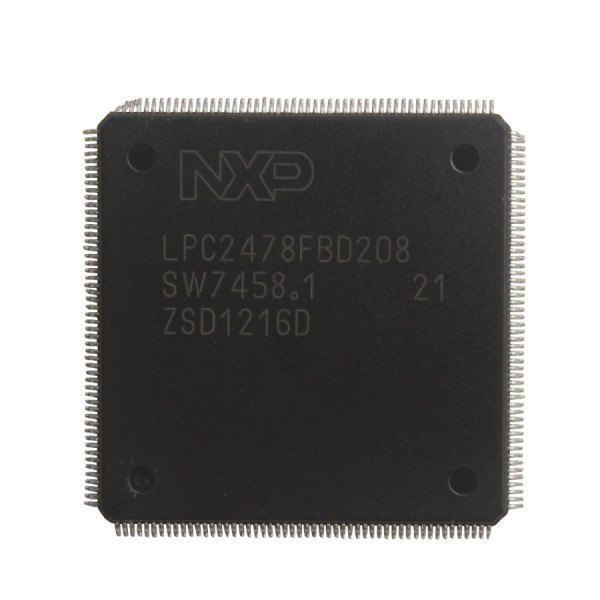
However, the specialized need to UNLOCK a secured Microcontroller is a critical requirement in modern engineering. To CRACK or DECRYPT an ENCRYPTED Microchip isn’t about infringement; it is often the only path forward when a device becomes OBSOLETE or OUTDATE. When the SOURCE CODE for a legacy system is lost and the original manufacturer no longer provides support, engineers must READOUT the existing DATA. This process involves sophisticated techniques to DUMP the BINARY or HEXIMAL FILE directly from the MEMORY. This REPLICATE and COPY methodology allows for the recovery of vital SOFTWARE instructions necessary to maintain infrastructure that would otherwise be non-functional.
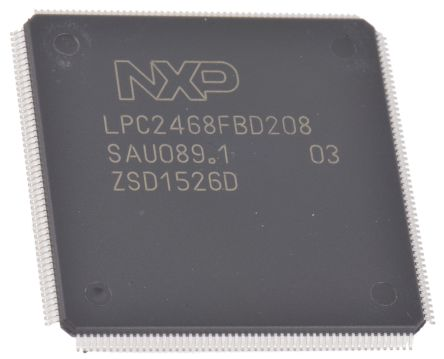
The market demand for the ability to Recover Microprocessor IC NXP LPC2478 code is driven by the necessity of “Right to Repair” and system continuity. In high-stakes industries, a single LOCKED MCU can stall an entire production line if the underlying PROGRAM cannot be accessed for hardware migration. The importance of being able to UNLOCK these components lies in sustainability; it prevents electronic waste by allowing companies to port existing FIRMWARE to newer ARM or DSP platforms. Without the capability to READOUT the SOURCE CODE from a PROTECTIVE IC, many essential medical and industrial tools would be forced into early retirement.
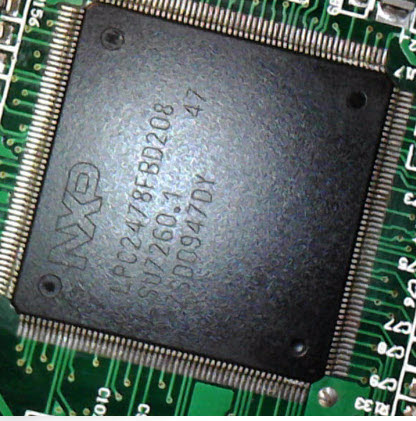
Our laboratory specializes in high-success-rate services to UNLOCK, DUMP, and DECRYPT complex Microprocessor units. We possess the advanced hardware and deep-level expertise required to bypass PROTECTIVE bits and safely READOUT the HEXIMAL or BINARY DATA from an NXP LPC2478. Whether you are dealing with a LOCKED CPLD, a secured FLASH MEMORY chip, or an ENCRYPTED ARM core, our team provides a seamless bridge to your lost FIRMWARE. We offer end-users a reliable way to COPY and REPLICATE vital system DATA, ensuring that even when a Chip is deemed OBSOLETE, your operations remain uninterrupted and your intellectual assets are recovered.