Decrypt AVR Microcontroller ATMEL ATMEGA169PV
Decrypt AVR Microcontroller ATMEL ATMEGA169PV is a specialized engineering service designed to recover and replicate embedded firmware from legacy systems built around the reliable ATmega169PV. This low-power AVR microcontroller features 16KB Flash program memory, 1KB SRAM, 512B EEPROM, integrated LCD controller, multiple timers, ADC channels, SPI, I²C (TWI), and UART communication interfaces. Optimized for power-sensitive designs, the ATmega169PV MCU is widely deployed in smart metering devices, handheld medical instruments, industrial monitoring panels, HVAC controllers, and battery-powered measurement equipment. Its integrated LCD driver makes it particularly suitable for display-centric embedded applications. However, when original firmware source code or development archives are missing, decrypting and cloning the binary file from a secured chip becomes critical for maintenance and product continuity.
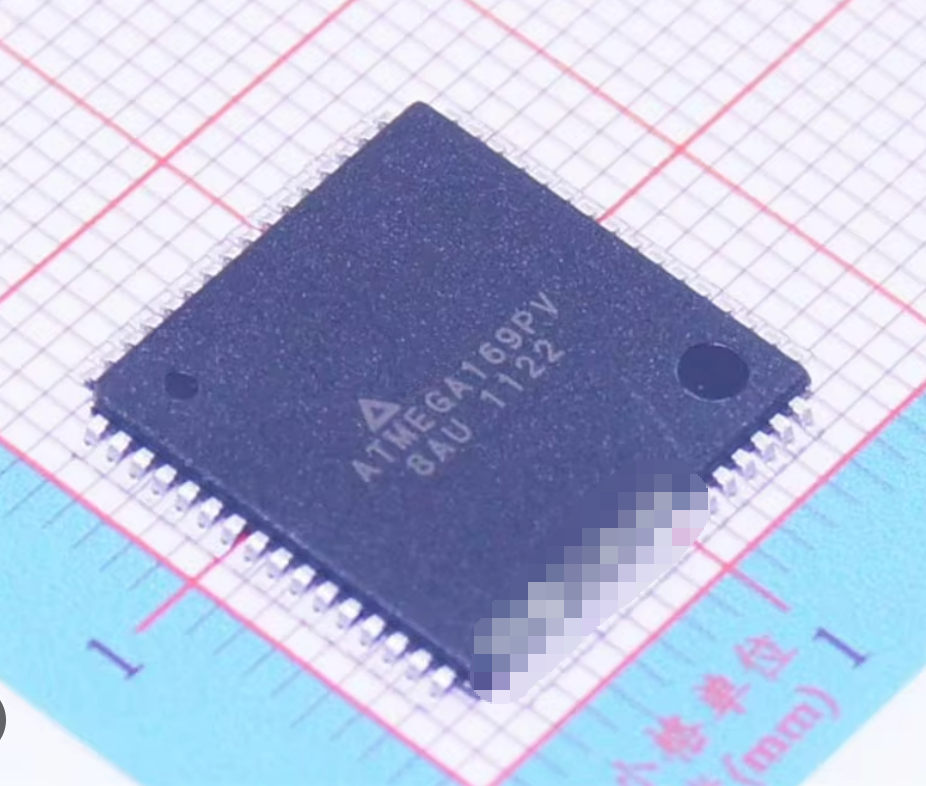
In many production environments, the ATmega169PV microcontroller is configured as a secured, protected, encrypted, or locked MCU to safeguard intellectual property. Once lock bits are enabled, the Flash and EEPROM memory cannot be directly accessed, preventing standard programmers from performing a simple firmware dump, binary copy, or heximal file extraction. Our Decrypt AVR Microcontroller ATMEL ATMEGA169PV service focuses on carefully crack, unlock, decrypt, replicate, and copy the firmware stored inside the chip without compromising data integrity. The goal is to recover the complete program archive—including Flash program memory, EEPROM configuration data, calibration parameters, and system file structures—from a protected microprocessor. Through a controlled binary dump and data reconstruction process, we generate a validated firmware file archive that can be used to replicate the MCU onto new replacement chips. Whether the firmware is encrypted, locked, or secured, the objective remains consistent: restore the binary, rebuild the program memory image, and recreate a reliable heximal archive for production. Concentrating on firmware decryption, memory extraction, and secure data recovery ensures that the cloned microcontroller performs identically to the original chip deployed in the field.
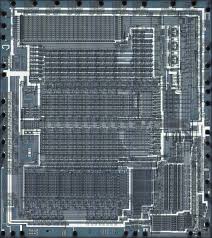
The AVR core combines a rich instruction set with 32 general purpose working registers. All the 32 registers are directly connected to the Arithmetic Logic Unit (ALU), allowing two independent registers to be accessed in one single instruction executed in one clock cycle to Decrypt AVR Microcontroller ATMEL ATMEGA169PV. The resulting architecture is more code efficient while achieving throughputs up to ten times faster than conventional CISC microcontrollers.
The ATmega169P provides the following features: 16K bytes of In-System Programmable Flash with Read-While-Write capabilities, 512 bytes EEPROM, 1K byte SRAM, 53 general purpose I/O lines, 32 general purpose working registers, a JTAG interface for Boundary-scan, On-chip Debugging support and programming, a complete On-chip LCD controller with internal step-up voltage, three flexible Timer/Counters with compare modes, internal and external interrupts, a serial programmable USART, Universal Serial Interface with Start Condition Detector, an 8-channel, 10-bit ADC, a programmable Watchdog Timer with internal Oscillator, an SPI serial port, and five software selectable power saving modes.
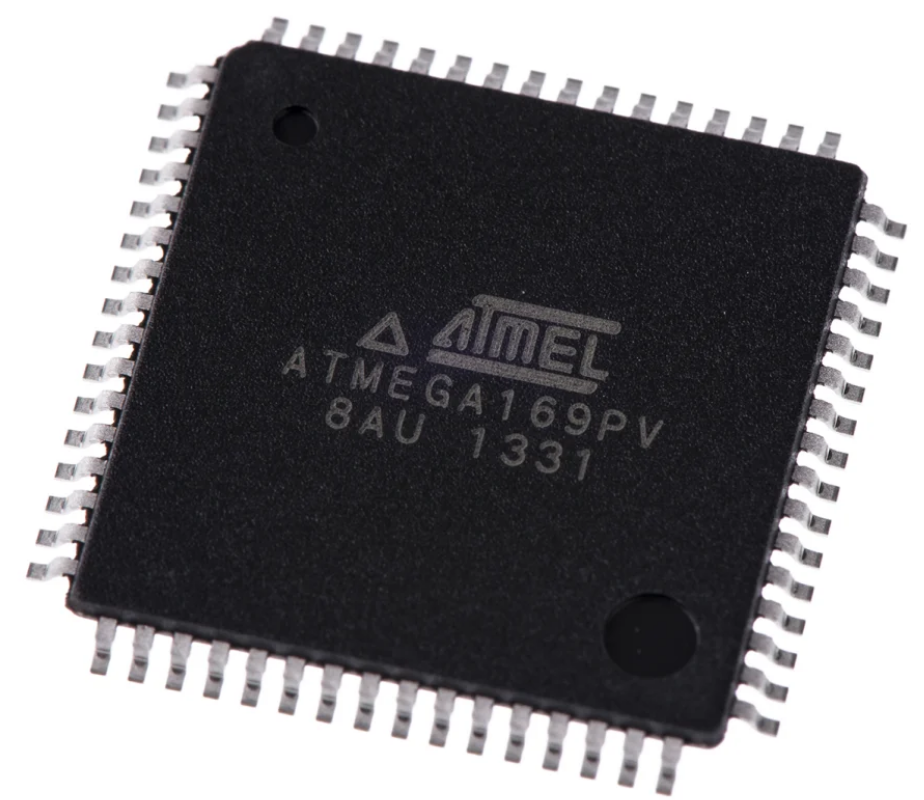
The Idle mode stops the CPU while allowing the SRAM, Timer/Counters, SPI port, and interrupt system to continue functioning. The Power-down mode saves the register contents but freezes the Oscillator, disabling all other chip functions until the next interrupt or hardware reset.
In Power-save mode, the asynchronous timer and the LCD controller continues to run, allowing the user to maintain a timer base and operate the LCD display while the rest of the device is sleeping. The ADC Noise Reduction mode stops the CPU and all I/O modules except asynchronous timer, LCD controller and ADC, to minimize switching noise during ADC conversions.
In Standby mode, the crystal/resonator Oscillator is running while the rest of the device is sleeping. This allows very fast start-up combined with low-power consumption.
The device is manufactured using Atmel’s high density non-volatile memory technology. The On-chip ISP Flash allows the program memory to be reprogrammed In-System through an SPI serial interface, by a conventional non-volatile memory programmer, or by an On-chip Boot program running on the AVR core.
The Boot program can use any interface to download the application program in the Application Flash memory. Software in the Boot Flash section will continue to run while the Application Flash section is updated, providing true Read-While-Write operation.
By combining an 8-bit RISC CPU with In-System Self-Programmable Flash on a monolithic chip, the Atmel ATmega169V is a powerful microcontroller that provides a highly flexible and cost effective solution to many embedded control applications which makes it necessary to Decrypt AVR Microcontroller ATMEL ATMEGA169PV and take out its firmware.
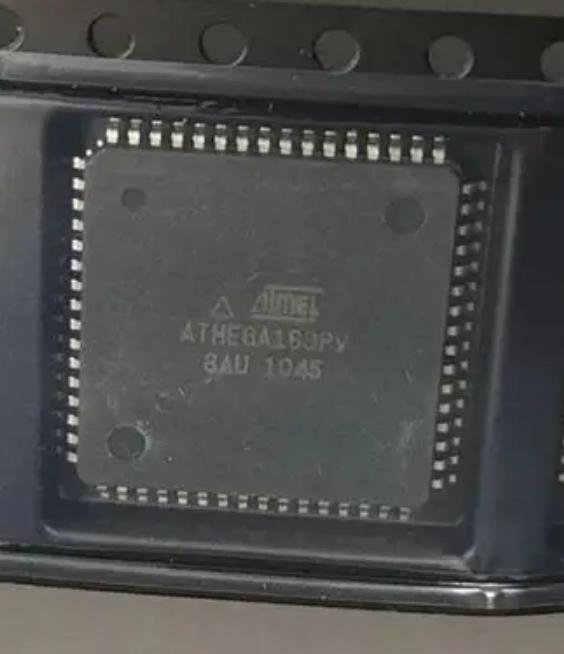
The ATmega169P AVR is supported with a full suite of program and system development tools including: C Compilers, Macro Assemblers, Program Debugger/Simulators, In-Circuit Emulators, and Evaluation kits.
Technically, breaking the protection of a locked ATmega169PV MCU presents several challenges. The security architecture may trigger automatic erase cycles if improper read attempts are detected, risking permanent loss of firmware data. Additionally, low-power devices used in industrial or medical applications often operate for many years, leading to potential Flash degradation or EEPROM instability that complicates the dump process. Encrypted program sections, proprietary bootloader configurations, and customized fuse settings further increase the complexity of unlocking the microprocessor. Because the firmware file may contain critical calibration data or device-specific identifiers, any corruption during extraction can result in malfunction. For this reason, decrypting a protected AVR chip requires precision handling, non-destructive analysis, and strict verification of recovered binary data.
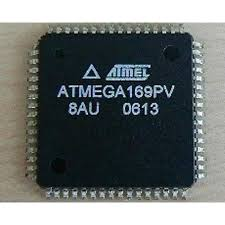
From a commercial and engineering standpoint, the ability to decrypt AVR microcontroller ATMEL ATMEGA169PV devices provides substantial value. Recovering and replicating the firmware archive allows manufacturers to restore discontinued products, maintain long-term industrial equipment, and avoid costly redesign of hardware platforms. By copying the secured program memory and rebuilding a verified heximal file, clients gain full control over their embedded system lifecycle. This process reduces downtime, protects investment in proprietary algorithms, and enables seamless MCU replacement in case of supply chain disruption. Ultimately, decrypting and cloning a locked ATmega169PV transforms inaccessible firmware data into a reusable engineering asset, ensuring sustainable production, reliable maintenance, and long-term operational stability for critical embedded applications.