Copy Protected STM32F105RB MCU Heximal
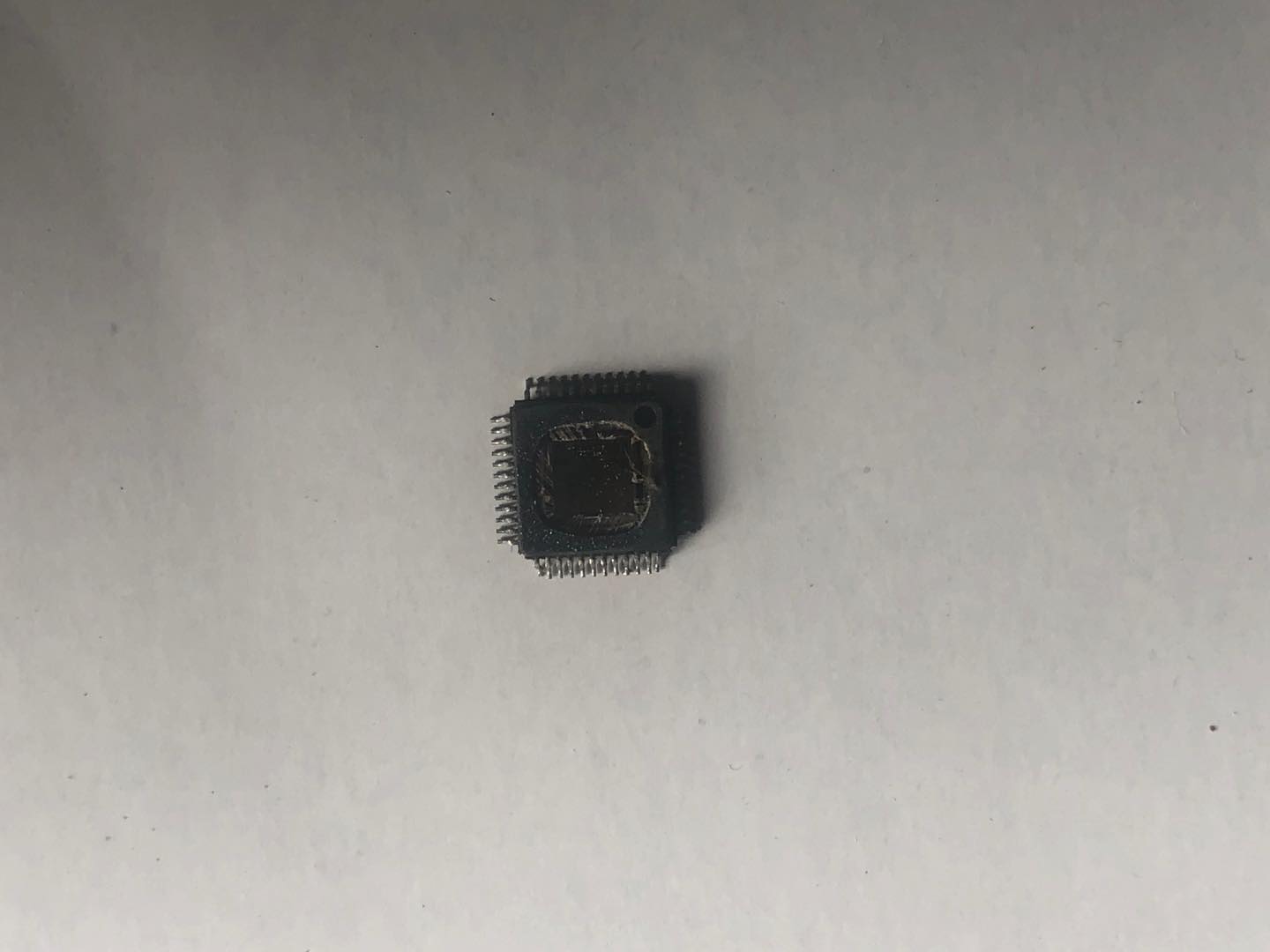
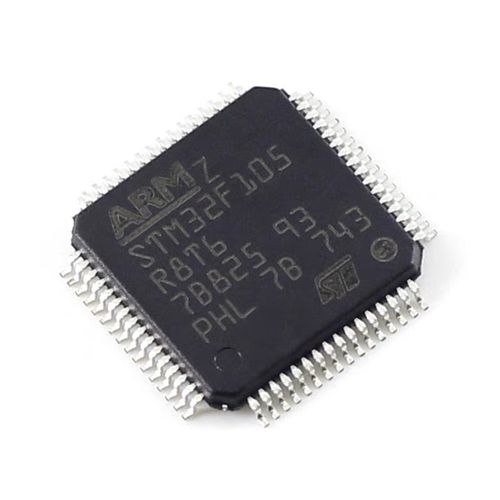
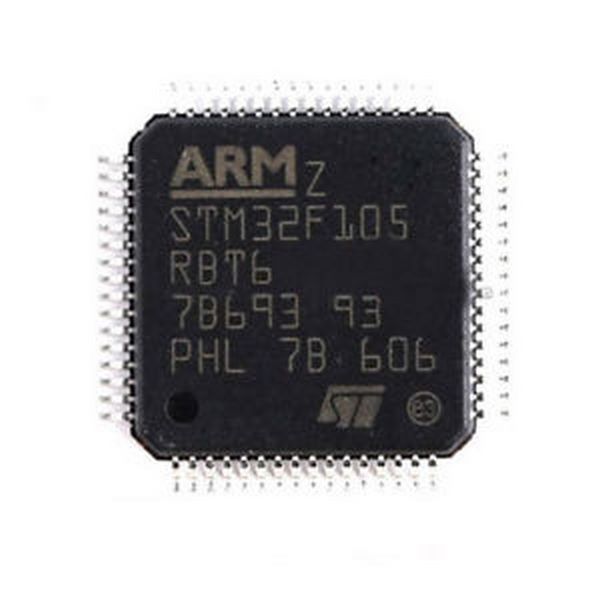
Copy Protected STM32F105RB MCU Heximal OUT from its flash memory needs to attack stm32f105rb locked microcontroller security fuse bit, and then duplicating arm microprocessor stm32f105rb flash memory content,
The device has integrated power-on reset (POR) and power-down reset (PDR) circuits. They are always active, and ensure proper operation above a threshold of 2 V. The device remains in reset mode when the monitored supply voltage is below a specified threshold, VPOR/PDR, without the need for an external reset circuit.
- The POR monitors only the VDD supply voltage. During the startup phase it is required that VDDA should arrive first and be greater than or equal to VDD.
- The PDR monitors both the VDD and VDDA supply voltages, however the VDDA power supply supervisor can be disabled (by programming a dedicated Option bit) to reduce the power consumption if the application design ensures that VDDA is higher than or equal to VDD.
The device features an embedded programmable voltage detector (PVD) that monitors the VDD power supply and compares it to the VPVD threshold which can be applied for unlocking arm mcu stm32f105vc. An interrupt can be generated when VDD drops below the VPVD threshold and/or when VDD is higher than the VPVD threshold. The interrupt service routine can then generate a warning message and/or put the MCU into a safe state. The PVD is enabled by software.
The regulator has three operating modes: main (MR), low power (LPR) and power down.
- MR is used in normal operating mode (Run)
- LPR can be used in Stop mode where the power demand is reduced
- Power down is used in Standby mode: the regulator output is in high impedance: the kernel circuitry is powered down, inducing zero consumption (but the contents of the registers and SRAM are lost)
This regulator is always enabled after reset. It is disabled in Standby mode, providing high impedance output.
Tags: copiar o código do software da memória flash MCU protegida,copiar o firmware incorporado do microcontrolador bloqueado,copiar programa heximal de microprocessador seguro