-
Product Categories
-
Live Support Chat


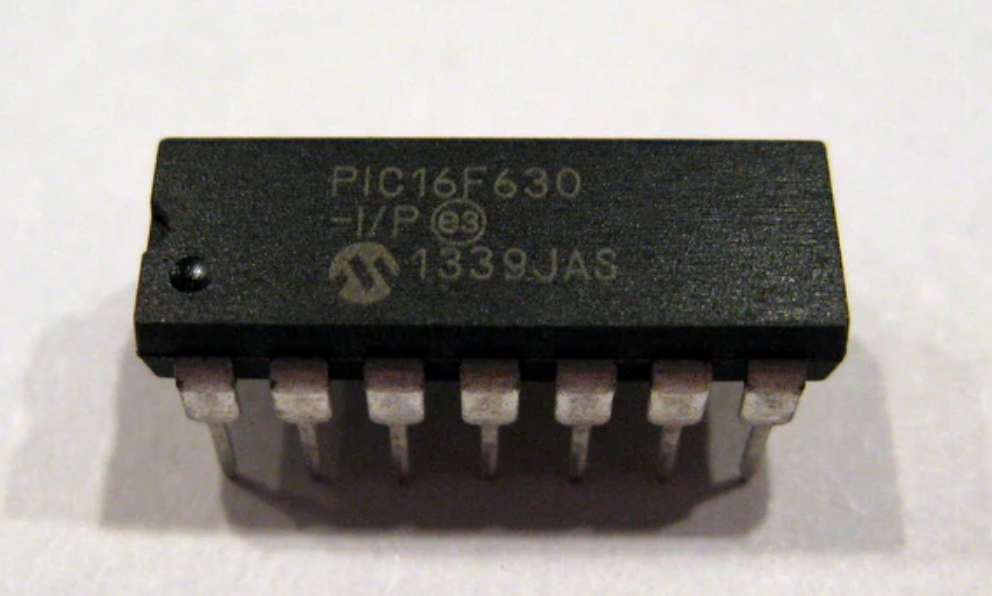
Clone Microprocessor IC Microchip PIC16F630
The Microchip PIC16F630 is a highly versatile, flash-based 8-bit Microcontroller that has long been a staple in cost-sensitive, space-constrained applications. Featuring a compact 14-pin architecture, an internal oscillator, and a versatile analog comparator module, this reliable MCU is extensively deployed in automotive remote keyless entry systems, home automation sensors, and industrial timing circuits. To protect the proprietary code governing these devices, Microchip outfitted this Chip with robust, hardware-based PROTECTIVE mechanisms known as Code Protect (CP) and Data Code Protect (CPD) bits. When activated, these security fuses place the IC into a permanent LOCKED state, blocking conventional debugging interfaces from accessing the internal FLASH and EEPROM to safeguard the manufacturer’s engineering investment.
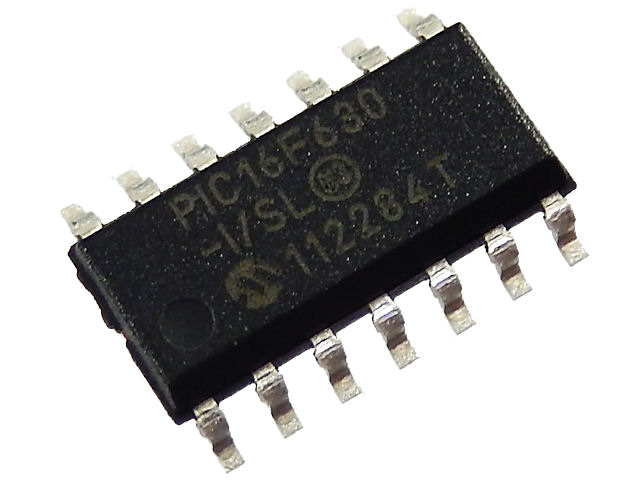
When a development team needs to Clone Microprocessor IC Microchip PIC16F630 code, understanding how to UNLOCK a secured microcontroller becomes the central technical challenge. To safely UNLOCK or DECRYPT an ENCRYPTED Microchip does not mean altering its hardware; rather, it involves utilizing specialized laboratory equipment to bypass or reset the internal security bits without destroying the underlying silicon structure. This delicate process allows engineers to READOUT the machine code and successfully DUMP the core FIRMWARE into a raw HEXIMAL or BINARY FILE. Once this DATA is pulled from the internal MEMORY, the system’s compiled SOFTWARE can be analyzed, making it possible to COPY and REPLICATE the exact device behavior onto a new target device.
We can Clone Microprocessor IC Microchip PIC16F630, please view the IC chip features for your reference:
High Performance RISC CPU:
· Only 35 instructions to learn
– All single cycle instructions except branches
· Operating speed:
– DC – 20 MHz oscillator/clock input
– DC – 200 ns instruction cycle
· Interrupt capability
· 8-level deep hardware stack
· Direct, Indirect, and Relative Addressing modes
Special Microcontroller Features:
· Internal and external oscillator options
– Precision Internal 4 MHz oscillator factory calibrated to ±1%
– External Oscillator support for crystals and resonators
– 5 µs wake-up from SLEEP, 3.0V, typical
· Power saving SLEEP mode
· Wide operating voltage range – 2.0V to 5.5V
· Industrial and Extended temperature range
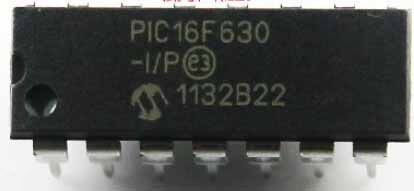
· Low power Power-on Reset (POR)
· Power-up Timer (PWRT) and Oscillator Start-up Timer (OST)
· Brown-out Detect (BOD)
· Watchdog Timer (WDT) with independent oscillator for reliable operation
· Multiplexed MCLR/Input-pin
· Interrupt-on-pin change
· Individual programmable weak pull-ups
· Programmable code protection
· High Endurance FLASH/EEPROM Cell
– 100,000 write FLASH endurance
– 1,000,000 write EEPROM endurance
– FLASH/Data EEPROM Retention: > 40 years
Low Power Features:
· Standby Current:
– 1 nA @ 2.0V, typical
· Operating Current:
– 8.5 µA @ 32 kHz, 2.0V, typical
– 100 µA @ 1 MHz, 2.0V, typical
· Watchdog Timer Current
– 300 nA @ 2.0V, typical
· Timer1 oscillator current:
– 4 µA @ 32 kHz, 2.0V, typical
Peripheral Features:
· 12 I/O pins with individual direction control
· High current sink/source for direct LED drive
· Analog comparator module with:
– One analog comparator
– Programmable on-chip comparator voltage reference (CVREF) module
– Programmable input multiplexing from device inputs
– Comparator output is externally accessible
· Analog-to-Digital Converter module (PIC16F676):
– 10-bit resolution
– Programmable 8-channel input
– Voltage reference input
· Timer0: 8-bit timer/counter with 8-bit programmable prescaler
· Enhanced Timer1:
– 16-bit timer/counter with prescaler
– External Gate Input mode
– Option to use OSC1 and OSC2 in LP mode as Timer1 oscillator, if INTOSC mode selected
· In-Circuit Serial ProgrammingTM (ICSPTM) via two pins
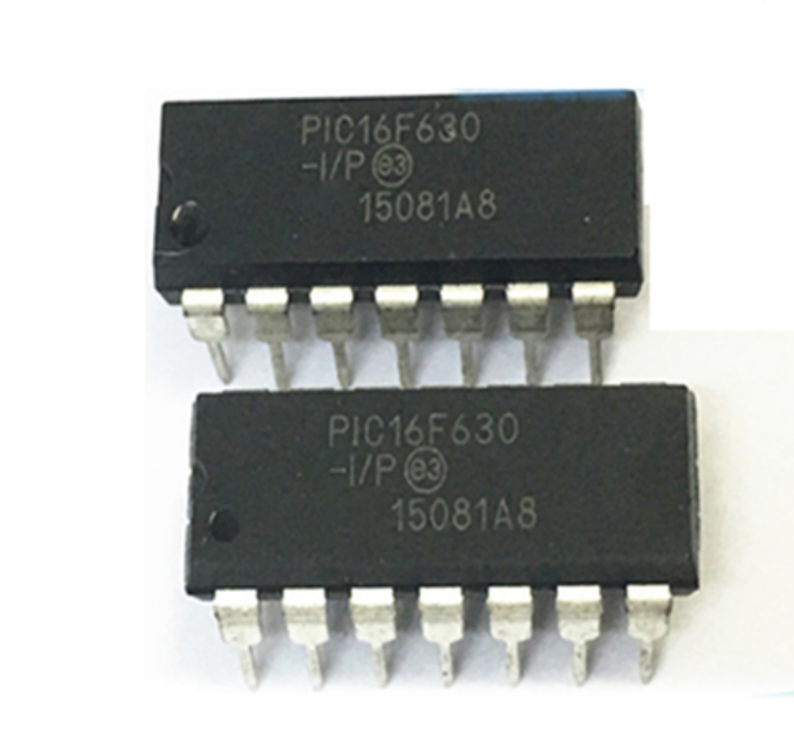
The commercial demand for such advanced extraction techniques is driven by the stark realities of supply chain lifecycles and asset preservation. Industries worldwide frequently rely on machinery controlled by an OBSOLETE or OUTDATE Microprocessor, where the original equipment manufacturer (OEM) has long gone out of business or ceased technical support. When a critical CPLD, ARM, or DSP chip fails and the original SOURCE CODE or master PROGRAM is completely lost, reverse engineering is the only viable alternative to a multi-million dollar system overhaul. The ability to safely CRACK open access to a secured memory array is crucial for the “Right to Repair,” ensuring that legacy infrastructure remains operational and that valuable intellectual properties aren’t permanently lost to time.
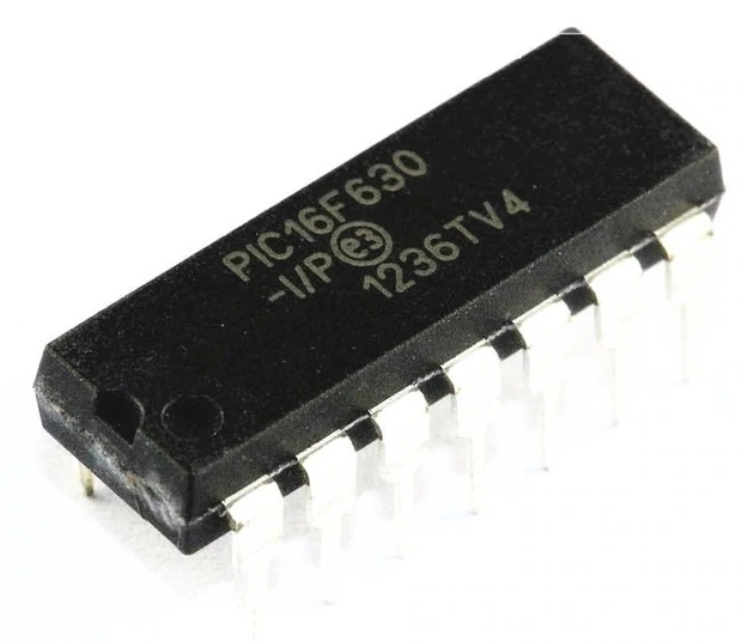
Our state-of-the-art engineering laboratory provides specialized, high-yield solutions to safely UNLOCK, DUMP, and DECRYPT highly secured semiconductor components for end-users worldwide. We possess the micro-probing instruments and voltage-glitching rigs required to navigate past PROTECTIVE security frameworks, allowing us to accurately READOUT the internal FIRMWARE from a LOCKED PIC16F630 MCU. Whether your project involves recovering code from an older EEPROM, an ENCRYPTED Microcontroller, or a legacy IC, our team delivers a pristine BINARY or HEXIMAL FILE ready for hardware migration. We empower companies to seamlessly COPY and REPLICATE their essential SOFTWARE controls, breathing new life into OBSOLETE assets and securing total operational continuity.