
-
Product Categories
-
Live Support Chat


Clone Microchip MCU PIC16F627A Dump
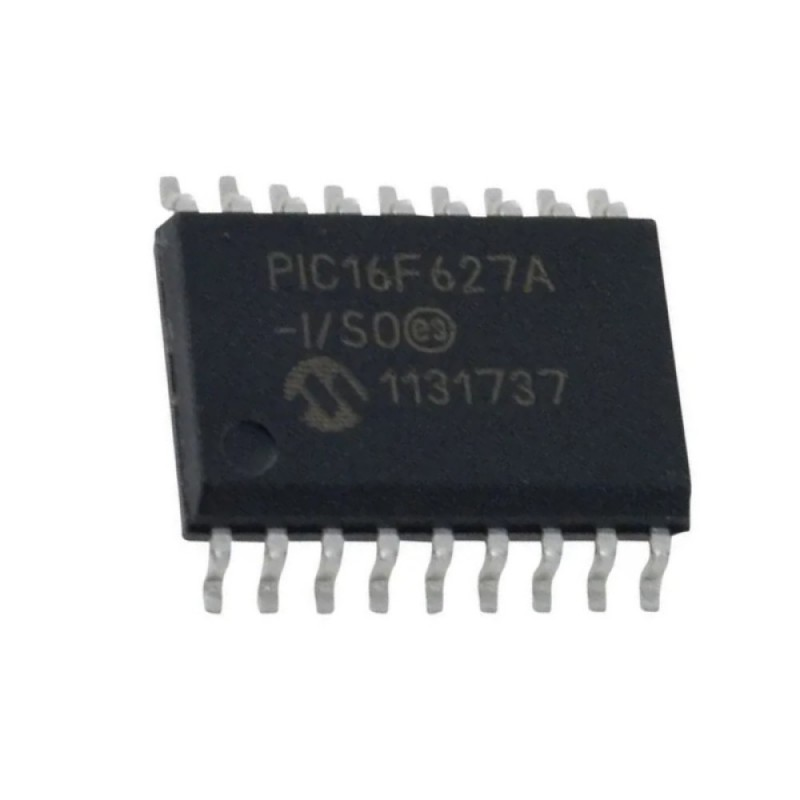
The PIC16F627A is one of the most recognized members of the classic PIC microcontroller family, valued for its simplicity, reliability, and low-cost integration into embedded systems. Equipped with configurable I/O pins, onboard flash memory, integrated comparators, timers, USART communication support, and internal EEPROM, this MCU has been widely implemented in automation equipment, security panels, access control systems, home appliances, industrial sensors, and communication interfaces. Because the chip provides stable performance with low power requirements, manufacturers continue to use it in long-life electronic products where dependable firmware execution and efficient program memory management are important. Its popularity across different industries also means that large amounts of legacy hardware still rely on the original embedded software archive stored inside these microcontrollers.
High Performance RISC CPU:
Operating speeds from DC – 20 MHz
Interrupt capability
8-level deep hardware stack
Direct, Indirect and Relative Addressing modes 35 single word instructions
– All instructions single cycle except branches Special Microcontroller Features:
· Internal and external oscillator options
– Precision Internal 4 MHz oscillator factory calibrated to ±1%
– Low Power Internal 37 kHz oscillator
– External Oscillator support for crystals and resonators
· Power saving SLEEP mode
· Programmable weak pull-ups on PORTB
· Multiplexed Master Clear/Input-pin
· Watchdog Timer with independent oscillator for reliable operation
· Low voltage programming
· In-Circuit Serial Programming™ (via two pins)
· Programmable code protection
· Brown-out Reset
· Power-on Reset
· Power-up Timer and Oscillator Start-up Timer
· Wide operating voltage range. (2.0 – 5.5V)
· Industrial and extended temperature range
· High Endurance FLASH/EEPROM Cell
– 100,000 write FLASH endurance
– 1,000,000 write EEPROM endurance
– 100 year data retention
Low Power Features:
· Standby Current:
– 100 nA @ 2.0V, typical
· Operating Current:
– 12 µA @ 32 kHz, 2.0V, typical
– 120 µA @ 1 MHz, 2.0V, typical
· Watchdog Timer Current
– 1 µA @ 2.0V, typical
· Timer1 oscillator current:
– 1.2 µA @ 32 kHz, 2.0V, typical
· Dual Speed Internal Oscillator:
– Run-time selectable between 4 MHz and 37 kHz
– 4 µs wake-up from SLEEP, 3.0V, typical
Peripheral Features:
· 16 I/O pins with individual direction control
· High current sink/source for direct LED drive
· Analog comparator module with:
– Two analog comparators
– Programmable on-chip voltage reference (VREF) module
– Selectable internal or external reference
– Comparator outputs are externally accessible
· Timer0: 8-bit timer/counter with 8-bit programmable prescaler
· Timer1: 16-bit timer/counter with external crystal/clock capability
· Timer2: 8-bit timer/counter with 8-bit period register, prescaler and postscaler
· Capture, Compare, PWM module
– 16-bit Capture/Compare
– 10-bit PWM
· Addressable Universal Synchronous/Asynchronous Receiver/Transmitter USART/SCI ture range
· High Endurance FLASH/EEPROM Cell
– 100,000 write FLASH endurance
– 1,000,000 write EEPROM endurance
– 100 year data retention
The phrase Clone Microchip MCU PIC16F627A Dump is commonly associated with the process of attempting to extract, recover, or restore a binary dump from a secured and protected chip. Inside the MCU, critical operational data, compiled firmware, hardware configuration tables, and calibration values are stored within flash and EEPROM memory regions. When original backups or source code archives are unavailable, engineers may attempt advanced reverse engineering methods to open and interpret a heximal file, rebuild a usable binary archive, or analyze the raw memory dump for recovery purposes.
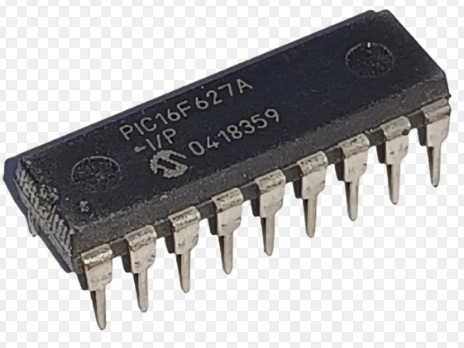
However, many deployed devices rely on locked or encrypted protection bits designed to prevent direct access to the embedded program file. Reading information from a protected microcontroller therefore becomes far more complicated than ordinary programming, often involving low-level interaction with the microprocessor architecture while carefully preserving the integrity of the stored data structures and firmware logic.
There are numerous legitimate reasons why companies and engineers may need to hack, extract, or recover firmware from a secured MCU environment. In industrial maintenance scenarios, a manufacturer may no longer possess the original source code, yet still require the ability to restore damaged equipment or duplicate a functioning program archive for operational continuity. In other cases, a failed controller board may contain the only surviving copy of a customized binary file, making firmware recovery essential for avoiding production downtime.
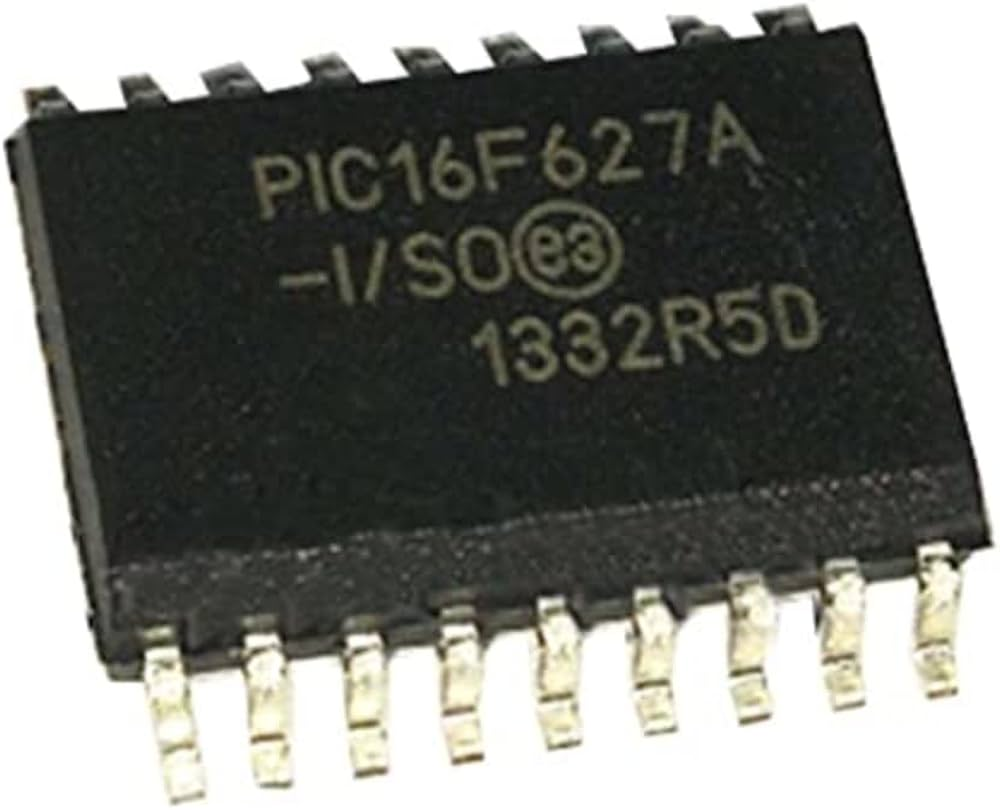
Researchers may also conduct reverse engineering to evaluate compatibility, inspect communication protocols, or analyze weaknesses in embedded device security. Despite these valid objectives, the technical barriers are substantial. Read-protection mechanisms, encrypted memory blocks, and anti-tamper designs intentionally restrict access to the MCU’s internal flash data. Furthermore, attempting to retrieve a clean heximal dump without corruption can be difficult due to signal instability, aging components, and the risk of permanently damaging the chip during analysis.
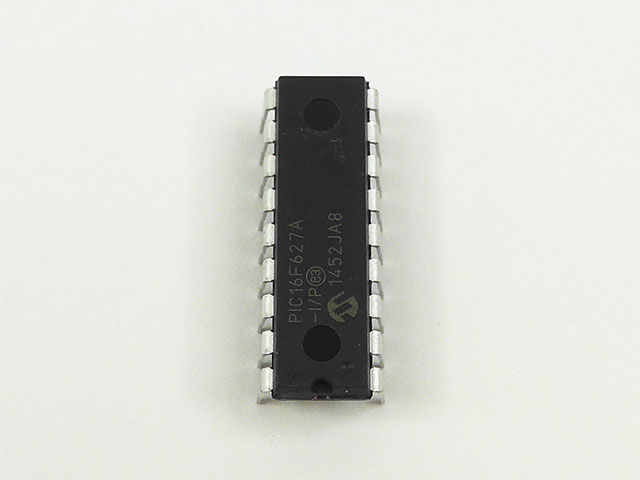
For clients, recovering and rebuilding embedded firmware archives can provide considerable commercial and technical value. Successful extraction of a program file may eliminate the need for expensive redesigns, reduce equipment replacement costs, and extend the operational lifespan of specialized hardware platforms. In sectors where older systems remain critical, the ability to reconstruct a functional binary archive from a locked microcontroller can preserve years of engineering investment and maintain compatibility with existing infrastructure.
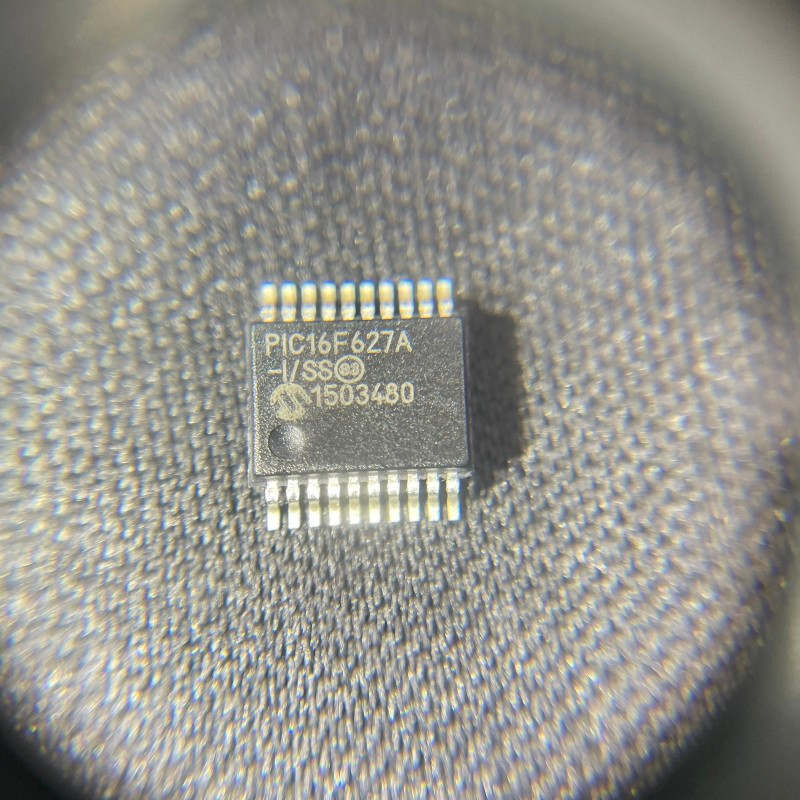
Controlled reverse engineering also supports migration projects, system diagnostics, and long-term product maintenance. While the protection mechanisms inside modern MCUs are specifically developed to secure intellectual property, professional firmware recovery services continue to play an important role in electronics support, helping organizations safeguard operational continuity while responsibly handling sensitive embedded data and memory resources.
Tags: clone microchip mcu flash content