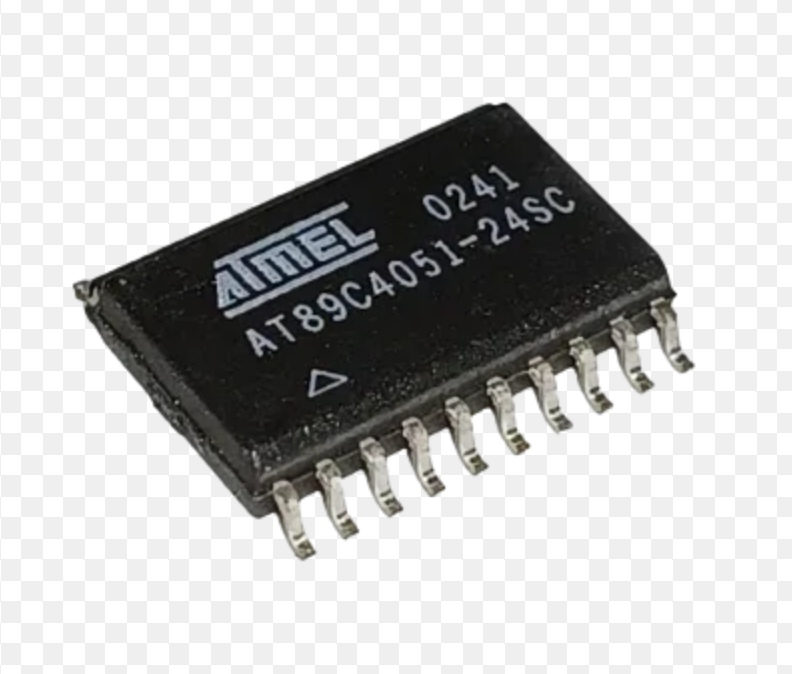
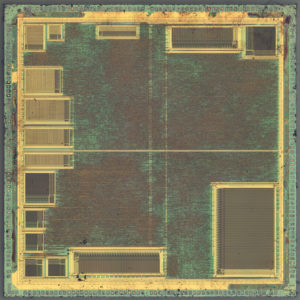
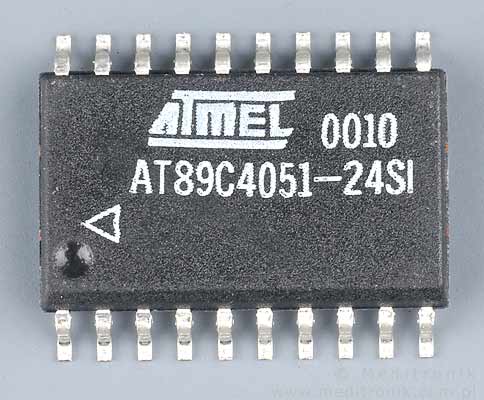
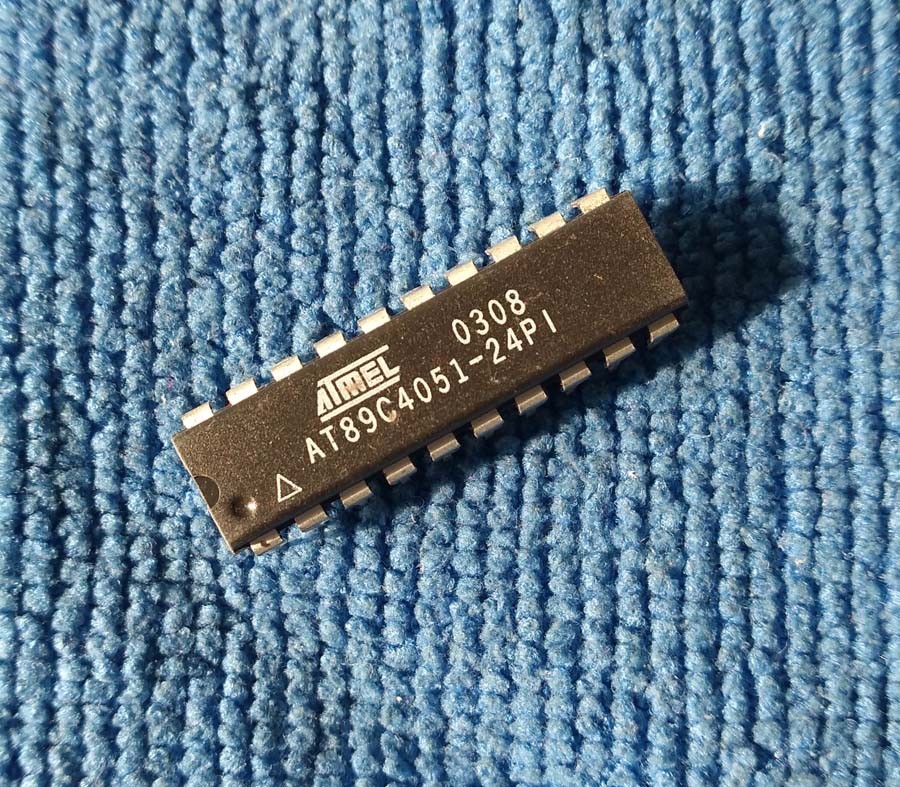
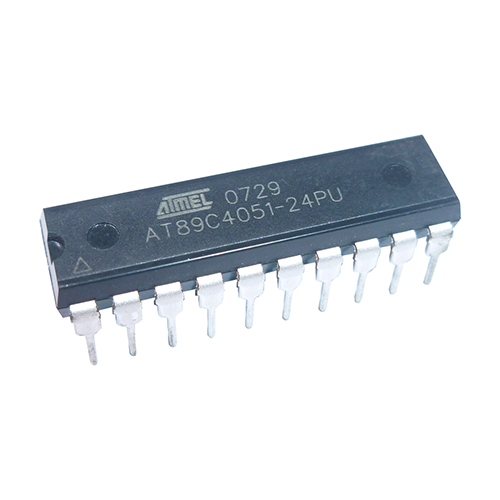
Clone 8bit Microcontroller Chip ATmel AT89C4051 is a topic that frequently arises when engineers and manufacturers must sustain, reproduce, or modernize long-lifecycle electronic products built around classic 8051-architecture devices. The AT89C4051 is a compact 8-bit microcontroller with on-chip flashmemory, timers, serial interfaces, and flexible I/O, widely adopted in access controllers, power supplies, vending machines, alarm modules, consumer appliances, automotive peripherals, industrial sensors, and educational control boards.
La logica operativa esiste solo come firmware incorporato all’interno di un MCU ATMEL AT89C4051 protetto e bloccato, mentre il codice sorgente originale, il programma di build o il file compilato sono andati persi nel tempo. In tali condizioni, le organizzazioni cercano di clonare, copiare o replicare il comportamento protettivo del microcontrollore ATMEL AT89C4051 recuperando l’archivio binario o esadecimale interno, in modo che la continuità della produzione, il supporto alla manutenzione o gli aggiornamenti funzionali possano procedere senza riprogettare l’intero sistema. Tecnicamente, tentare di leggere o scaricare dati da un MCU crittografato ATMEL AT89C4051 è impegnativo perché il dispositivo implementa meccanismi di protezione dalla lettura che bloccano deliberatamente l’accesso esterno alla flash e alle regioni di configurazione interne, lasciando la memoria efficacemente protetta e, in alcuni casi, crittografata logicamente. Una volta abilitate queste protezioni, i programmatori standard non possono sbloccare il microprocessore protetto ATMEL AT89C4051 e qualsiasi tentativo di cracking imprudente rischia di cancellare i dati o danneggiare permanentemente il core del microprocessore.
In many of these deployments, the operational logic exists only as embedded firmware inside a secured and lockedchip, while the original source code, build program, or compiled file has been lost over time. Under such conditions, organizations seek to clone, copy, or replicate the MCU behavior by retrieving the internal binary or heximalarchive so that production continuity, maintenance support, or functional upgrades can proceed without redesigning the entire system.
Technically, attempting to readout or dump data from an AT89C4051 is challenging because the device implements readout protection mechanisms that deliberately block external access to flash and internal configuration regions, leaving the memory effectively protected and, in some cases, logically encrypted. Once these protections are enabled, standard programmers cannot unlock the MCU, and any careless crack attempt risks erasing data or permanently damaging the microprocessor core. Additional difficulty comes from aging hardware environments: oxidized pins, unstable power rails, undocumented PCB revisions, or custom oscillator configurations can all interfere with a reliable extract or recover process, making precision and experience essential.
La logique opérationnelle n’existe que sous forme de firmware embarqué au sein d’un microcontrôleur ATMEL AT89C4051 sécurisé et verrouillé, le code source original, le programme de compilation ou le fichier compilé ayant été perdu. Dans ce contexte, les entreprises cherchent à cloner, copier ou reproduire le comportement de protection du microcontrôleur ATMEL AT89C4051 en récupérant l’archive binaire ou hexadécimale interne afin d’assurer la continuité de la production, la maintenance ou les mises à jour fonctionnelles sans avoir à repenser l’intégralité du système. Techniquement, tenter de lire ou d’extraire des données d’un microcontrôleur ATMEL AT89C4051 chiffré est complexe car le dispositif met en œuvre des mécanismes de protection en lecture qui bloquent délibérément l’accès externe à la mémoire flash et aux régions de configuration internes, rendant ainsi la mémoire effectivement protégée et, dans certains cas, logiquement chiffrée. Une fois ces protections activées, les programmateurs standard ne peuvent pas déverrouiller le microprocesseur sécurisé ATMEL AT89C4051, et toute tentative de piratage imprudente risque d’effacer des données ou d’endommager irrémédiablement le cœur du microprocesseur.
The AT89C4051 is a low-voltage, high-performance CMOS 8-bit microcontroller with 4K bytes of Flash programmable and erasable read-only memory. The device is manufactured using Atmel’s high-density nonvolatile memory technology and is compatible with the industry-standard MCS-51 instruction set. By combining a versatile 8-bit CPU with Flash on a monolithic chip, the Atmel AT89C4051 is a powerful microcontroller which provides a highly-flexible and cost-effective solution to many embedded control applications.
Die Betriebslogik existiert ausschließlich als eingebettete Firmware innerhalb eines gesicherten und gesperrten Mikrocontrollers vom Typ ATMEL AT89C4051, während der ursprüngliche Quellcode, das Build-Programm oder die kompilierte Datei im Laufe der Zeit verloren gegangen sind. Unter diesen Umständen versuchen Unternehmen, das Schutzverhalten des ATMEL AT89C4051-Mikrocontrollers zu klonen, zu kopieren oder zu replizieren, indem sie das interne Binär- oder Hexadezimalarchiv abrufen. So können sie die Produktion fortsetzen, Wartungsarbeiten durchführen oder Funktionserweiterungen vornehmen, ohne das gesamte System neu entwickeln zu müssen. Technisch gesehen ist das Auslesen oder Sichern von Daten eines verschlüsselten ATMEL AT89C4051-Mikrocontrollers eine Herausforderung, da das Gerät Ausleseschutzmechanismen implementiert, die den externen Zugriff auf den Flash-Speicher und die internen Konfigurationsbereiche gezielt blockieren. Dadurch bleibt der Speicher effektiv geschützt und in einigen Fällen logisch verschlüsselt. Sobald diese Schutzmechanismen aktiviert sind, können Standardprogrammiergeräte den gesicherten Mikroprozessor ATMEL AT89C4051 nicht entsperren, und jeder unvorsichtige Entschlüsselungsversuch birgt das Risiko, Daten zu löschen oder den Mikroprozessorkern dauerhaft zu beschädigen.
From a technology perspective, the purpose of such work is not curiosity-driven intrusion but controlled recovery, enabling companies to restore production files, validate legacy designs, migrate firmware to newer platforms, or duplicate hardware for after-sales service where replacement units are no longer available. Our service capability addresses these needs by focusing on non-destructive techniques that safely bypass readout protection without exposing sensitive procedural details, allowing the protected MCU to yield a consistent and verifiable binary file suitable for reuse. The outcome is not merely a raw data dump, but a usable firmware asset that can be archived, tested, and integrated into manufacturing or maintenance workflows.
The AT89C4051 provides the following standard features: 4K bytes of Flash, 128 bytes of RAM, 15 I/O lines, two 16-bit timer/counters, a five-vector, two-level interrupt architecture, a full duplex serial port, a precision analog comparator, on-chip oscillator and clock circuitry.
In addition, the AT89C4051 is designed with static logic for operation down to zero frequency and supports two software-selectable power saving modes. The Idle Mode stops the CPU while allowing the RAM, timer/counters, serial port and interrupt system to continue functioning. The power-down mode saves the RAM contents but freezes the oscillator disabling all other chip functions until the next hardware reset.
La lógica operativa existe únicamente como firmware integrado dentro de un MCU ATMEL AT89C4051 seguro y bloqueado, mientras que el código fuente original, el programa de compilación o el archivo compilado se han perdido con el tiempo. En estas condiciones, las organizaciones buscan clonar, copiar o replicar el comportamiento protector del microcontrolador ATMEL AT89C4051 recuperando el archivo binario o hexadecimal interno para que la continuidad de la producción, el soporte de mantenimiento o las actualizaciones funcionales puedan continuar sin rediseñar todo el sistema. Técnicamente, intentar leer o volcar datos de un MCU ATMEL AT89C4051 cifrado es un desafío, ya que el dispositivo implementa mecanismos de protección de lectura que bloquean deliberadamente el acceso externo a la memoria flash y a las regiones de configuración interna, dejando la memoria efectivamente protegida y, en algunos casos, cifrada lógicamente. Una vez habilitadas estas protecciones, los programadores estándar no pueden desbloquear el microprocesador ATMEL AT89C4051 seguro, y cualquier intento descuidado de pirateo corre el riesgo de borrar datos o dañar permanentemente el núcleo del microprocesador.
Across industries such as industrial automation, building security, consumer electronics repair, energy management, and transportation peripherals, the ability to decrypt, decode, and recover embedded logic from an AT89C4051 directly reduces downtime, avoids costly redevelopment, and preserves proven system behavior. As supply chains evolve and older components become obsolete, Clone 8bit Microcontroller Chip ATmel AT89C4051 represents a specialized engineering service where understanding device architecture, protection states, and real-world operating conditions is critical. By delivering accurate extraction and reliable restoration of locked firmware while maintaining data integrity, this technology supports sustainable product lifecycles and ensures that essential electronic systems continue to function long after their original development environment has disappeared.