Break Microchip MCU PIC16LF877
The Microchip MCU PIC16LF877 is a widely deployed microcontroller in power-sensitive embedded systems due to its rich peripheral set, internal EEPROM, and low-voltage operation. As part of the PIC16 series, this chip offers a balance of performance and efficiency, making it suitable for automotive electronics, industrial control, and smart devices. However, when access to the embedded firmware, source code, or configuration data is lost, the need to break Microchip MCU PIC16LF877 becomes essential for restoring system functionality.
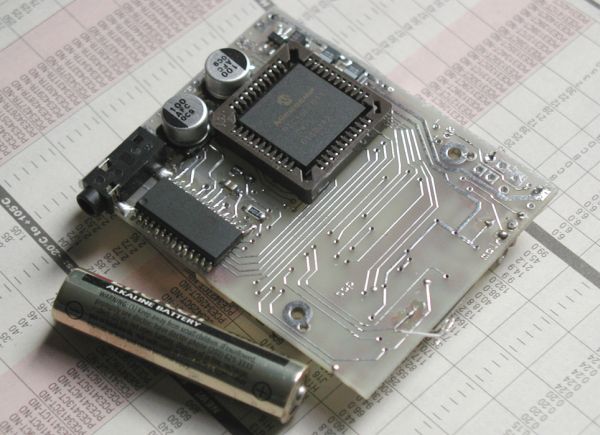
The PIC16LF877 includes advanced code protection features that prevent users from reading or copying its internal flash memory, EEPROM, or program archive once the security fuses are activated. These fuse bits, when set, trigger readout protection, effectively locking the binary and heximal content of the MCU. While these features are crucial for IP protection, they also pose serious challenges when legitimate recovery is needed—such as in cases of lost source files, system failure, or lack of documentation.
The memory blocks in the secured chip are often encrypted or access-restricted, meaning common programming tools are unable to open or retrieve the stored firmware. The fuse bits need to be either bypassed or removed through advanced engineering techniques to enable a successful dump of the embedded data.
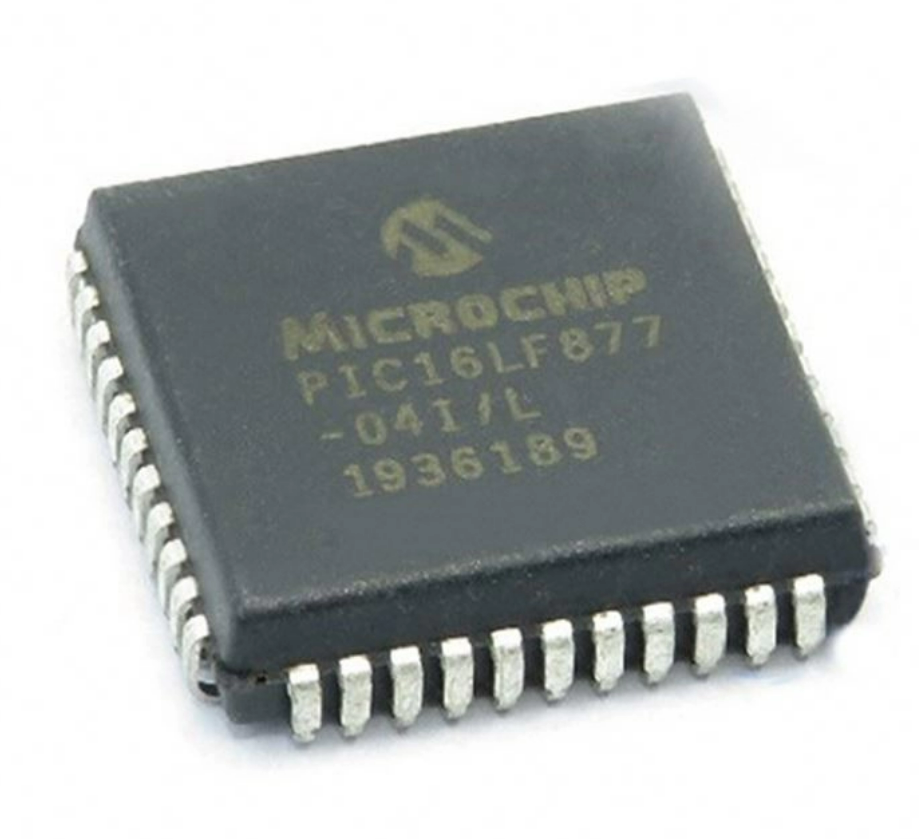
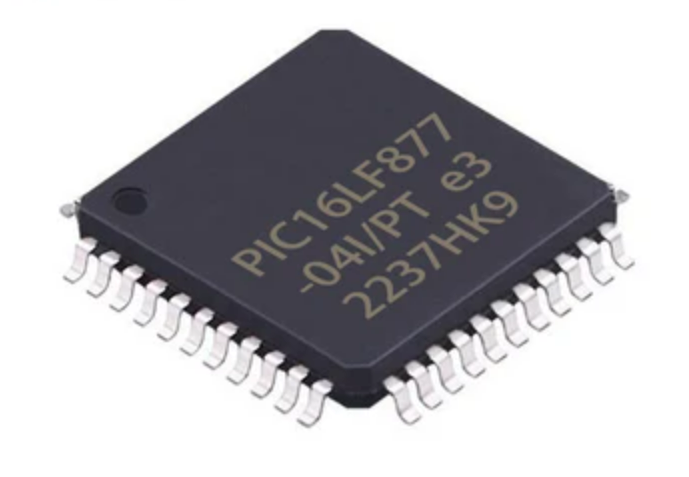
We can Break Microchip MCU PIC16LF877, below please view the features of this chip:
High-Performance RISC CPU:
· Only 35 single-word instructions to learn
· All single-cycle instructions except for program branches, which are two-cycle
· Operating speed: DC – 20 MHz clock input DC – 200 ns instruction cycle
· Up to 8K x 14 words of Flash Program Memory, Up to 368 x 8 bytes of Data Memory (RAM), Up to 256 x 8 bytes of EEPROM Data Memory
· Pinout compatible to other 28-pin or 40/44-pin PIC16CXXX and PIC16FXXX microcontrollers
Peripheral Features:
· Timer0: 8-bit timer/counter with 8-bit prescaler
· Timer1: 16-bit timer/counter with prescaler, can be incremented during Sleep via external crystal/clock
· Timer2: 8-bit timer/counter with 8-bit period register, prescaler and postscaler
· Two Capture, Compare, PWM modules
– Capture is 16-bit, max. resolution is 12.5 ns
– Compare is 16-bit, max. resolution is 200 ns
– PWM max. resolution is 10-bit
· Synchronous Serial Port (SSP) with SPI™ (Master mode) and I2C™ (Master/Slave)
· Universal Synchronous Asynchronous Receiver Transmitter (USART/SCI) with 9-bit address detection
· Parallel Slave Port (PSP) – 8 bits wide with external RD, WR and CS controls (40/44-pin only)
· Brown-out detection circuitry for Brown-out Reset (BOR)
· Analog Comparator module with:
– Two analog comparators
– Programmable on-chip voltage reference (VREF) module
– Programmable input multiplexing from device inputs and internal voltage reference
– Comparator outputs are externally accessible
Special Microcontroller Features:
· 100,000 erase/write cycle Enhanced Flash program memory typical
· 1,000,000 erase/write cycle Data EEPROM memory typical
· Data EEPROM Retention > 40 years
· Self-reprogrammable under software control
· In-Circuit Serial Programming™ (ICSP™) via two pins
· Single-supply 5V In-Circuit Serial Programming
· Watchdog Timer (WDT) with its own on-chip RC oscillator for reliable operation
· Programmable code protection in the process of IC breaking
· Power saving Sleep mode
· Selectable oscillator options
· In-Circuit Debug (ICD) via two pins
CMOS Technology:
· Low-power, high-speed Flash/EEPROM technology
· Fully static design
· Wide operating voltage range (2.0V to 5.5V)
· Commercial and Industrial temperature ranges
· Low-power consumption
To extract and readout protected data from the PIC16LF877, one must navigate multiple layers of hardware and firmware-level defense. Some of the challenges include:
- Locked Flash and EEPROM Segments: Preventing any direct access to the stored program or data file.
- Checksum and Integrity Checks: Making reverse engineering harder by triggering resets or invalid operations on failed read attempts.
- Destructive Countermeasures: Some devices may erase critical memory when attack signatures are detected, complicating attempts to recover useful content.
- Decapsulation Requirements: For physical access to memory traces, the chip may require decapsulation, which involves chemically or mechanically exposing the silicon die.
These layers of protection are intended to resist unauthorized copy, clone, or hack attempts, making legitimate recovery work extremely specialized.
We offer a specialized, legally compliant service to break Microchip MCU PIC16LF877 for authorized and professional recovery needs. Our procedures are non-invasive whenever possible and designed to restore, replicate, or duplicate the original firmware and program memory while preserving the integrity of the microcontroller.
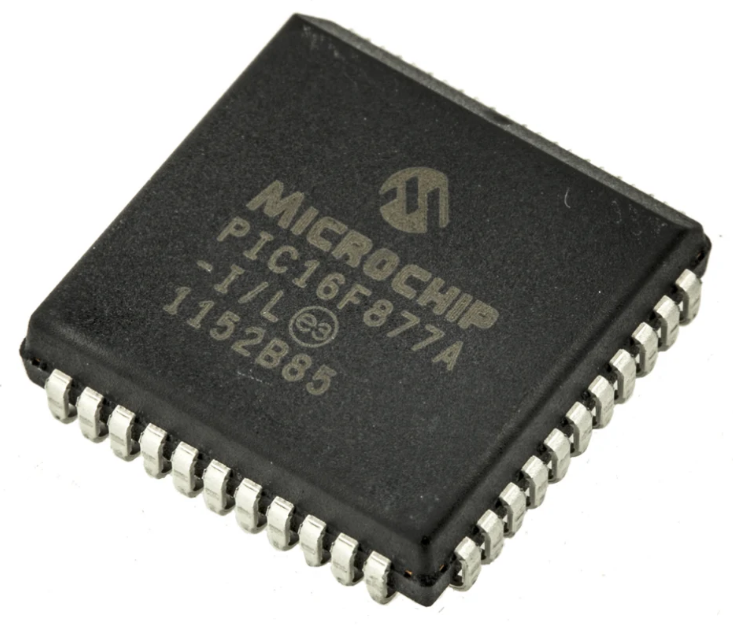
Through a combination of advanced tools, technical expertise, and custom-built methods, we can unlock the MCU, decode its binary archive, and recover the critical files. Whether you’re seeking to copy the original firmware to a new device, retrieve lost source code, or rebuild a legacy application, we provide precise solutions tailored to your situation.