-
Product Categories
-
Live Support Chat


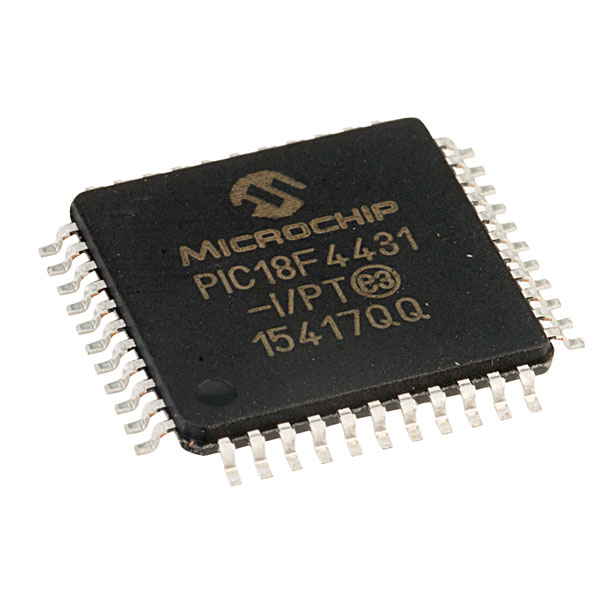
Attack Microprocessor IC Microchip PIC18F4431
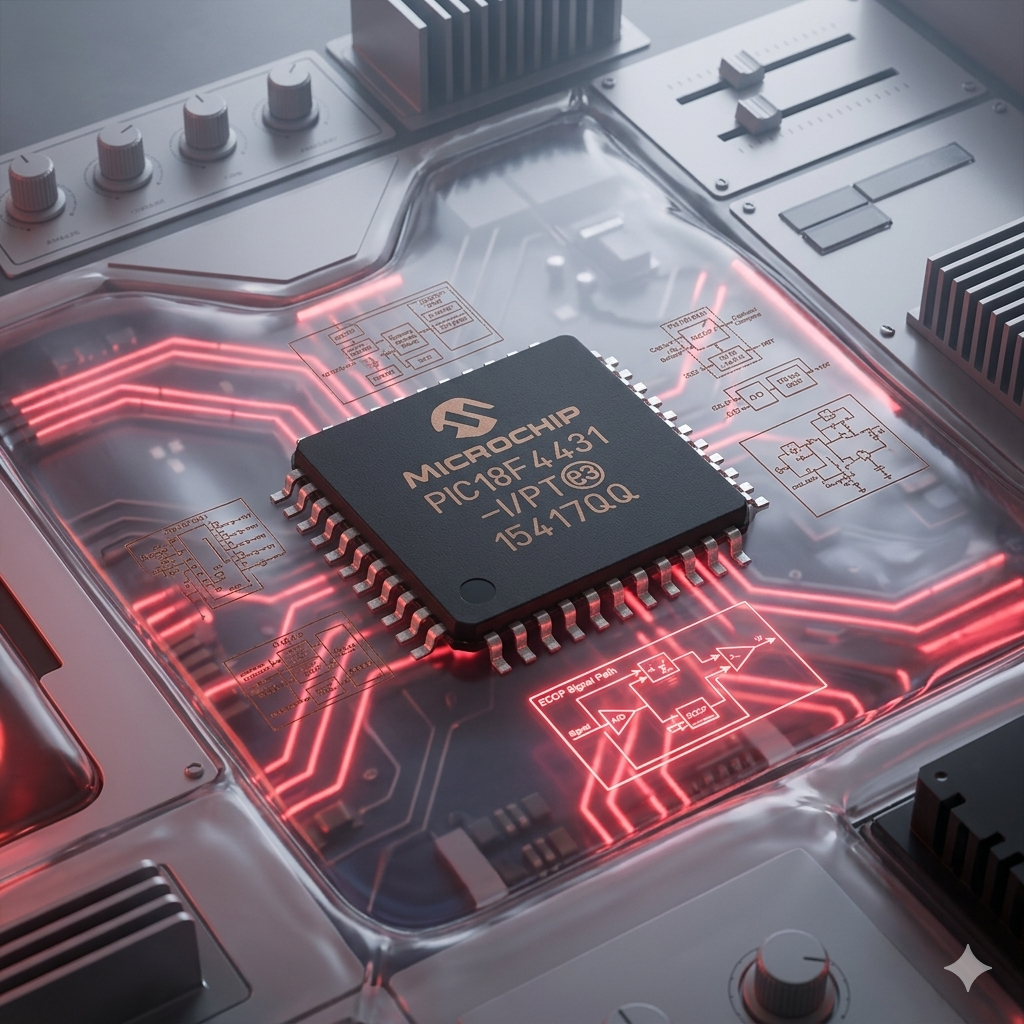
The Microchip PIC18F4431 is a specialized 8-bit Microcontroller optimized for advanced motor control and power conversion applications. It features a dedicated Power Control Pulse-Width Modulation (PWM) module, a high-speed Analog-to-Digital Converter (ADC), and Quadrature Encoder Interface (QEI) inputs. Because of these distinct hardware capabilities, this MCU is widely deployed in industrial automation systems, robotics, electric vehicle motor drives, and precision medical devices.
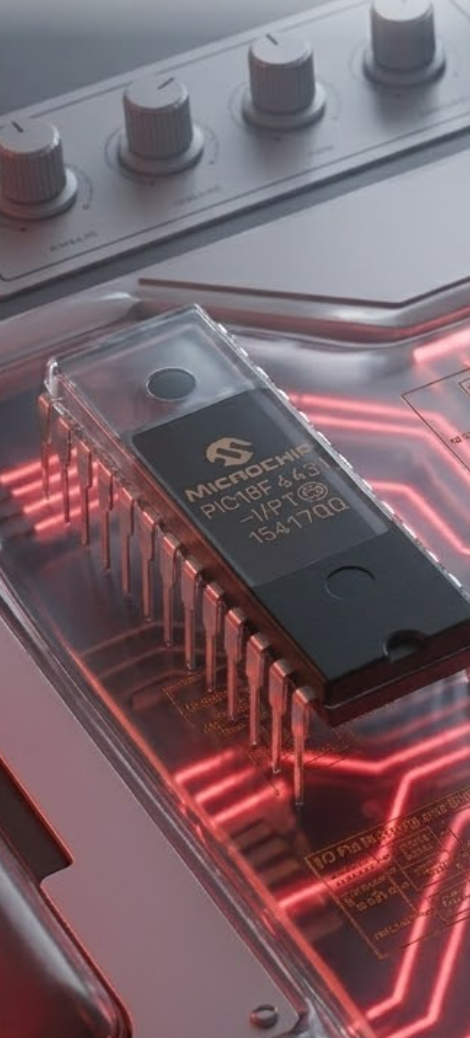
To safeguard the intellectual property embedded within the chip, the PIC18F4431 incorporates robust, hardware-level PROTECTIVE mechanisms. These features include Code Protection bits that can be individually configured for different memory segments. Once these configuration bits are programmed, the IC enters a LOCKED state, restricting external interfaces from executing a standard READOUT of the internal FLASH memory or EEPROM. This structural protectionism ensures that the proprietary control algorithms and operational data remain confidential, preventing unauthorized duplication or tampering during field operation.
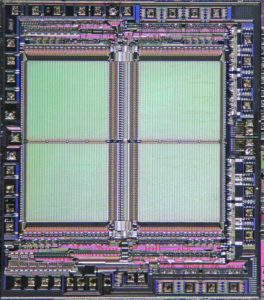
We can Attack Microprocessor IC Microchip PIC18F4431, High-Performance PWM and A/D IC microprocessor, please view the mcu chip features for your reference:
Flexible Oscillator Structure:
· Four Crystal modes up to 40 MHz
· Two External Clock modes up to 40 MHz
· Internal Oscillator Block:
– 8 user-selectable frequencies: 31 kHz to 8 MHz
– OSCTUNE can compensate for frequency drift
· Secondary Oscillator using Timer1 @ 32 kHz
· Fail-Safe Clock Monitor:
– Allows for safe shutdown of device if clock fails
· Extended Watchdog Timer (WDT):
– Programmable period from 41 ms to 131s
· Single-Supply In-Circuit Serial Programming™ (ICSP™) via Two Pins
· In-Circuit Debug (ICD) via Two Pins:
– Drives PWM outputs safely when debugging
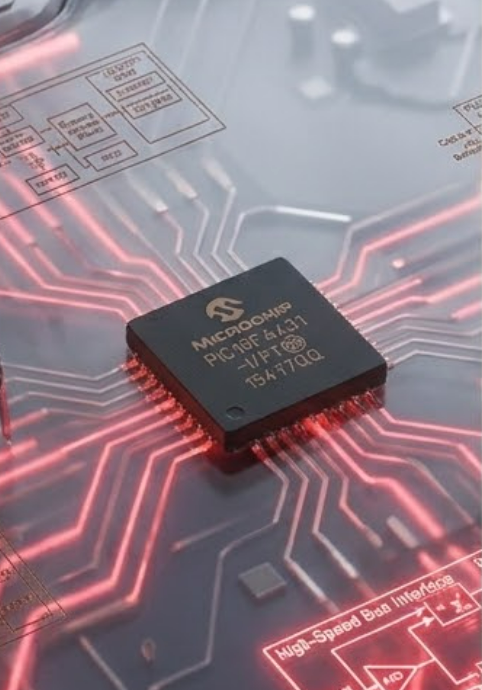
In the context of embedded systems engineering, accessing a secured Microchip involves analyzing the hardware barriers that protect the compiled instruction set. When a microcontroller is secured, its internal PROGRAM is inaccessible through standard debugging tools like JTAG or In-Circuit Serial Programming (ICSP).
Overcoming these barriers typically requires non-destructive or semi-destructive laboratory techniques, such as voltage glitching, clock manipulation, or physical de-capping to expose the silicon die. The objective of these procedures is to temporarily disrupt the security logic or reset the configuration fuses without altering the underlying application code. Successfully navigating these defenses allows engineers to DUMP the core FIRMWARE, capturing the exact sequence of instructions as a standard BINARY or HEXIMAL FILE. This data can then be used to reconstruct or analyze the system’s operational logic when direct access to the original development files is unavailable.
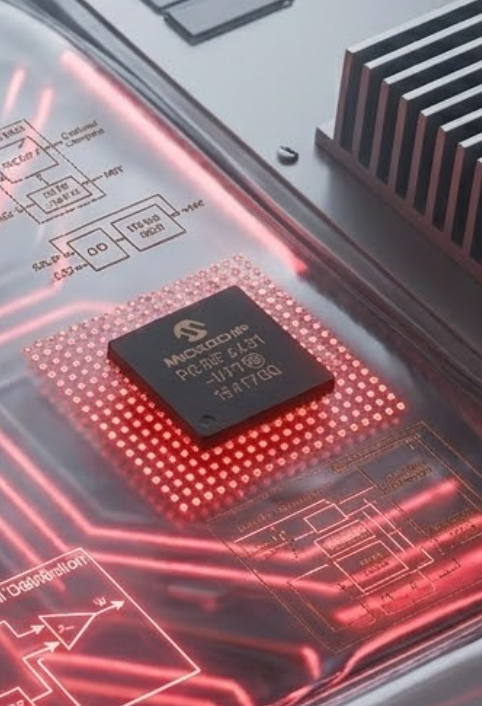
The commercial necessity for extracting data from locked microcontrollers is heavily driven by industrial longevity and product lifecycle management. Many manufacturing facilities, energy grids, and transportation systems rely on infrastructure controlled by legacy microprocessors or CPLD devices that have been in continuous operation for decades.
When an original equipment manufacturer (OEM) goes out of business, or when the original SOURCE CODE for a critical component is lost, maintaining these systems becomes highly challenging. If a vital Chip fails or needs to be replicated for backup purposes, engineers must find a way to retrieve the software. Being able to extract the firmware allows organizations to:
- Migrate legacy logic onto newer, more available hardware architectures like modern ARM or DSP platforms.
- Validate the integrity of software running on critical machinery.
- Repair and maintain high-value assets that would otherwise become non-functional due to an OBSOLETE or OUTDATE component status.
Hardware Recovery and Legacy Support Services
Engineering services focusing on legacy recovery provide specialized analytical capabilities to assist companies facing supply chain disruptions or data loss. Utilizing advanced semiconductor analysis tools, specialized laboratories can safely inspect a LOCKED unit to determine the feasibility of data extraction.
These services focus on retrieving the essential SOFTWARE from older or discontinued microcontrollers, delivering an accurate BINARY output to the end-user. By providing a reliable method to replicate the functional behavior of a legacy device, these operations support business continuity, enabling companies to sustain long-term infrastructure investments and mitigate the risks associated with component obsolescence.