Attack Microchip MCU PIC16F628A
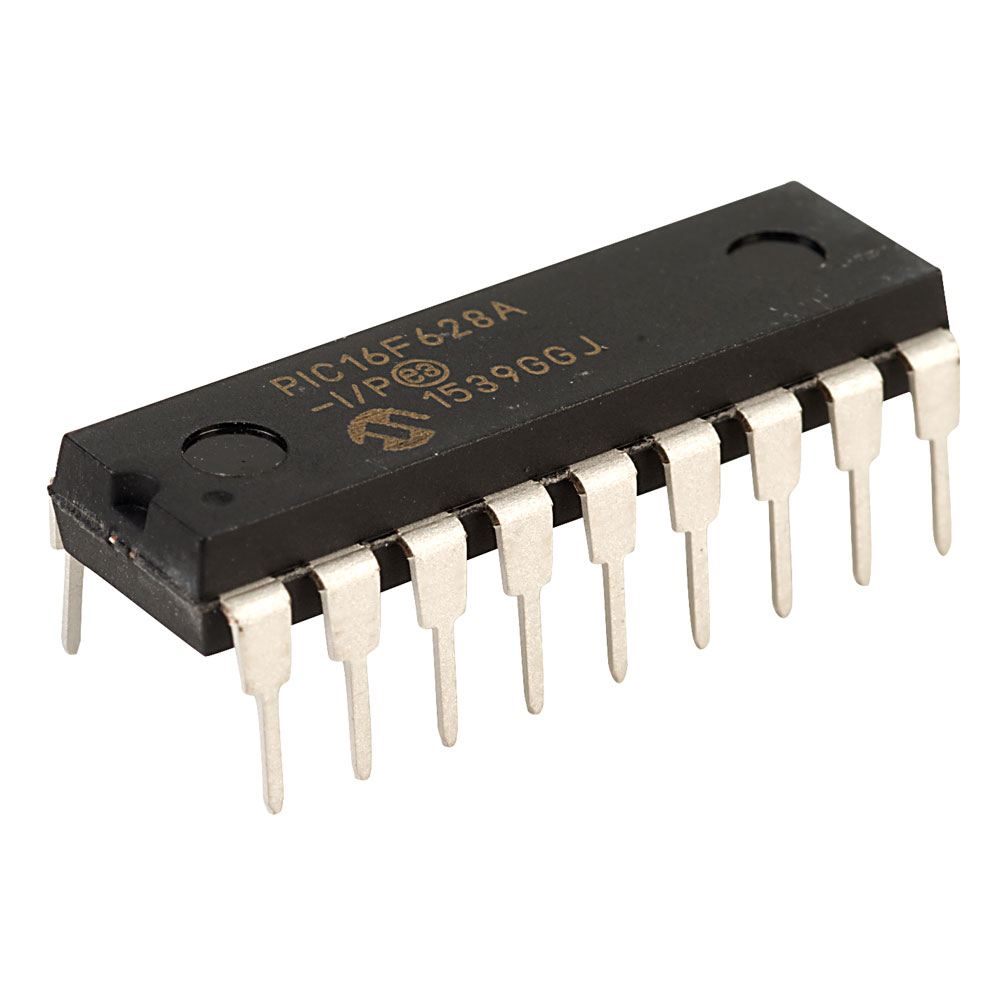
The Microchip MCU PIC16F628A is a popular 8-bit microcontroller known for its compact design, low power consumption, and versatile applications in automation, consumer electronics, and embedded control systems. However, when access to its internal firmware, binary files, or program memory is restricted by locked or protected settings, engineers and developers may seek advanced ways to attack Microchip MCU PIC16F628A to recover, extract, or clone the embedded data.
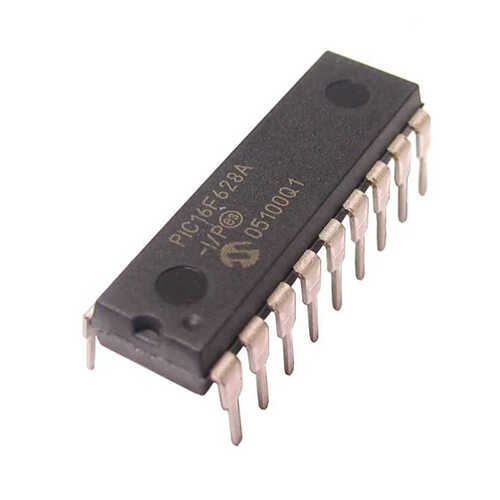
Designed with data integrity in mind, the PIC16F628A includes various security features to prevent unauthorized access to its internal EEPROM, flash, and source code. These include code protection fuses, which, once activated, block external tools from reading or copying the program content. The microcontroller also supports fuse bit configuration that disables standard debug and programming access, making it nearly impossible to perform a direct readout of the firmware.
The combination of encrypted memory, locked interfaces, and tamper-preventive design ensures that the device’s intellectual property remains secured. But when recovery is necessary—such as retrieving lost source code, replicating functionality on new hardware, or replacing legacy systems—bypassing these protections becomes a high-priority engineering challenge.
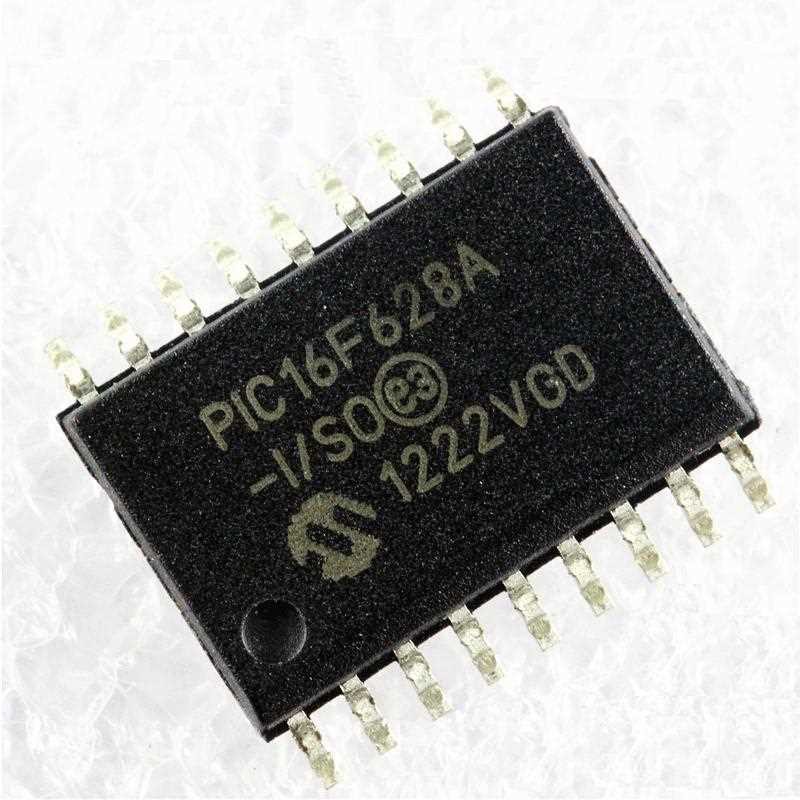
To attack Microchip MCU PIC16F628A, one must overcome several technical barriers. The chip’s read protection is designed to erase critical memory blocks or render them inaccessible if unauthorized access is detected. Moreover, its fuse system disables external memory readers from interfacing with the chip, even through standard ISP or ICSP tools.
Additional complexity arises from the structure of its internal heximal representation and the unique archive layout of the program and data memory. Successfully extracting a valid and usable binary file often requires deep expertise in reverse engineering and hardware-level diagnostics.
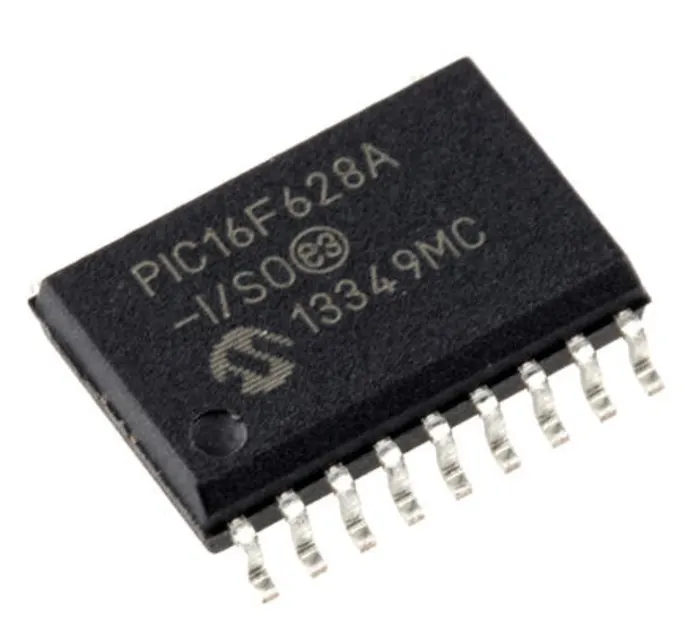
Our team specializes in secure microcontroller recovery, offering professional services to unlock, dump, and retrieve embedded firmware from secured devices like the PIC16F628A. We have developed proprietary, non-invasive procedures to bypass fuse bits, decode internal memory layouts, and restore locked program content.
While we don’t disclose the sensitive details of the process, our solutions involve multiple stages of analysis, readout, and data reconstruction. Once the fuse protection is successfully bypassed, we proceed to extract the internal flash, EEPROM, and configuration files, enabling full duplication or replication of the chip’s behavior.
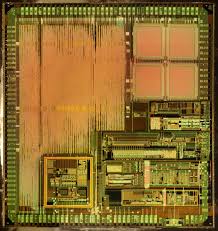
We can Attack Microchip MCU PIC16F628A, please view below their features for your reference:
Operating speeds from DC – 20 MHz
Special Microcontroller Features:
· Internal and external oscillator options:
– Precision internal 4 MHz oscillator factory calibrated to ±1%
– Low-power internal 48 kHz oscillator
– External Oscillator support for crystals and resonators
· Power-saving Sleep mode
· Programmable weak pull-ups on PORTB
· Multiplexed Master Clear/Input-pin
· Watchdog Timer with independent oscillator for reliable operation
· Low-voltage programming
· In-Circuit Serial Programming™ (via two pins)
· Programmable code protection
· Brown-out Reset
· Power-on Reset
· Power-up Timer and Oscillator Start-up Timer
· Wide operating voltage range (2.0-5.5V)
· Industrial and extended temperature range
· High-Endurance Flash/EEPROM cell:
– 100,000 write Flash endurance
– 1,000,000 write EEPROM endurance
– 40 year data retention
· Timer1 Oscillator Current:
– 1.2 ìA @ 32 kHz, 2.0V, typical
· Dual-speed Internal Oscillator:
– Run-time selectable between 4 MHz and 48 kHz
– 4 ìs wake-up from Sleep, 3.0V, typical
Peripheral Features:
· 16 I/O pins with individual direction control
· High current sink/source for direct LED drive
· Analog comparator module with:
– Two analog comparators
– Programmable on-chip voltage reference (VREF) module
– Selectable internal or external reference
– Comparator outputs are externally accessible
· Timer0: 8-bit timer/counter with 8-bit programmable prescaler
· Timer1: 16-bit timer/counter with external crystal/clock capability
· Timer2: 8-bit timer/counter with 8-bit period register, prescaler and postscaler
· Capture, Compare, PWM module:
– 16-bit Capture/Compare
– 10-bit PWM
· Addressable Universal Synchronous/Asynchronous Receiver/Transmitter USART/SCI
Tags: mal humor чип entsrapted bin,mal humor чип entsrapted code,mal humor чип entsrapted data,mal humor чип entsrapted eeprom,mal humor чип entsrapted file,mal humor чип entsrapted firmware,mal humor чип entsrapted flash,mal humor чип entsrapted hex,mal humor чип entsrapted memory,mal humor чип entsrapted program