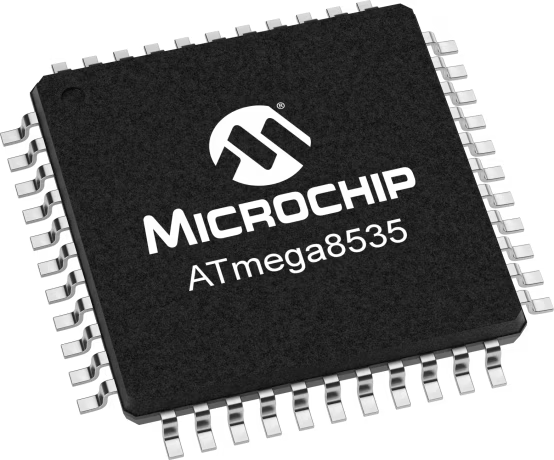
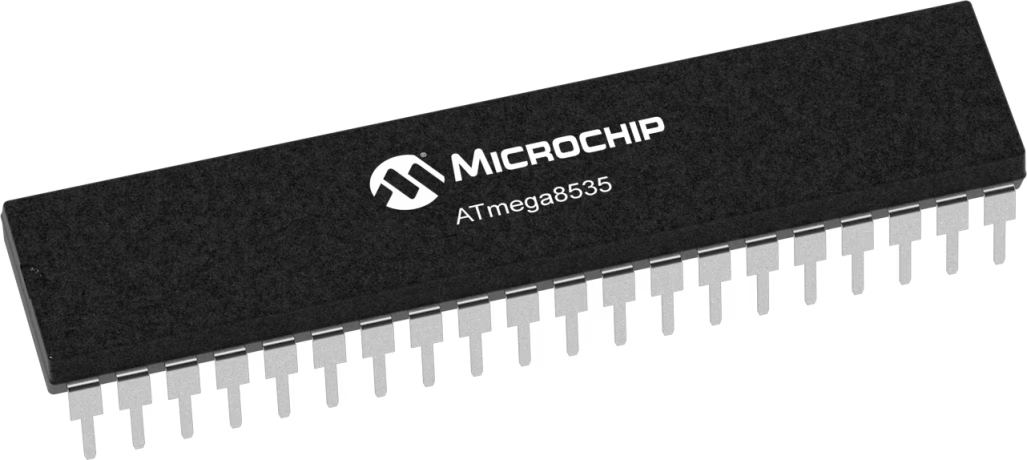
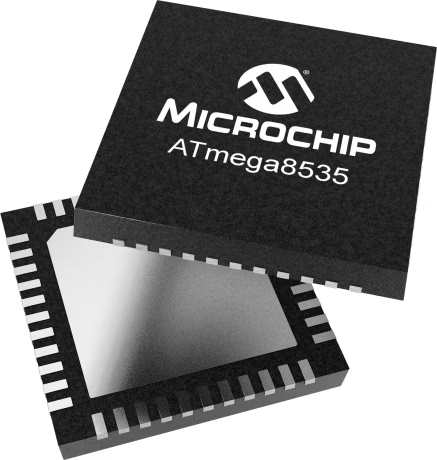
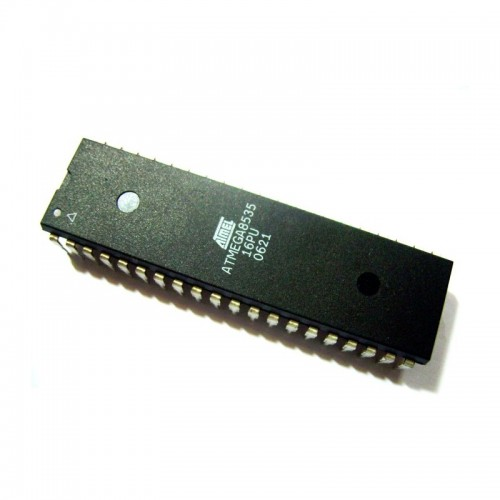
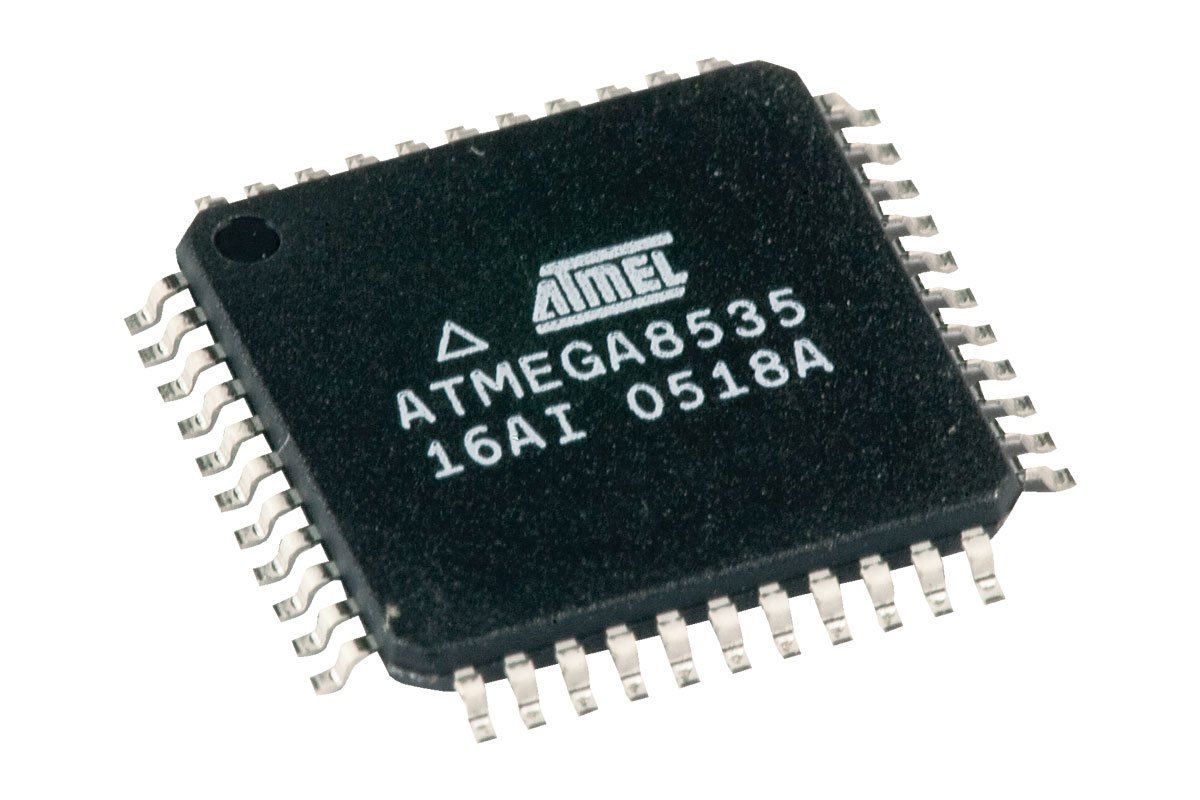
The ATmega8535 is a classic 8-bit AVR microcontroller (MCU) from Microchip (formerly Atmel), widely deployed in industrial control systems, automotive electronics, medical devices, and legacy consumer products. It features 8KB of in-system programmable FLASH memory, 512 bytes of EEPROM, 512 bytes of SRAM, and a rich set of peripherals including ADC, timers, PWM, and multiple communication interfaces (USART, SPI, I2C). Its popularity stems from its balance of performance, low power consumption, and affordability.
Для разблокировки заблокированного микроконтроллера AVR, такого как Microchip ATmega8535, необходимо обойти или отключить его внутренние предохранители безопасности – в частности, биты блокировки 1 и 2, – которые блокируют внешнее чтение памяти FLASH и EEPROM. Когда защищенный микроконтроллер Microchip ATmega8535 защищен, стандартные инструменты программирования не могут скопировать двоичное содержимое. Разблокировка включает в себя использование известных аппаратных уязвимостей (например, внедрение ошибок, сбои питания или инвазивное зондирование), чтобы принудительно перевести защищенный микропроцессор Microchip ATmega8535 в состояние, при котором память становится доступной. После разблокировки инженеры могут выполнить полное считывание программы, скопировать шестнадцатеричный или двоичный файл, воспроизвести прошивку в пустой микроконтроллер или даже расшифровать зашифрованные данные. Этот процесс не изменяет исходный код – он просто извлекает машинный код.
Um einen gesperrten AVR-Mikrocontroller wie den Microchip ATmega8535 zu entsperren, müssen dessen interne Sicherheitsmechanismen – insbesondere Lock Bit 1 und Lock Bit 2 – umgangen oder deaktiviert werden, die das externe Auslesen des Flash- und EEPROM-Speichers verhindern. Ist ein Microchip ATmega8535 geschützt, können Standard-Programmierwerkzeuge den Binärinhalt nicht auslesen. Die Entsperrung erfolgt durch Ausnutzen bekannter Hardware-Schwachstellen (z. B. Fehlereinspeisung, Stromschwankungen oder invasives Sondieren), um den Schutzprozessor des Microchip ATmega8535 in einen Zustand zu versetzen, in dem der Speicher zugänglich wird. Nach der Entsperrung können Entwickler das Programm vollständig auslesen, die Hexadezimal- oder Binärdatei kopieren, die Firmware auf einen leeren Mikrocontroller übertragen oder sogar verschlüsselte Daten entschlüsseln. Dieser Prozess verändert den ursprünglichen Quellcode nicht – er extrahiert lediglich den Maschinencode.
The ATmega8535 AVR is supported with a full suite of program and system development tools including: C compilers, macro assemblers, program debugger/simulators, In Circuit Emulators, and evaluation kits.
The timed sequence for changing the Watchdog Time-out period is disabled. See “Timed Sequences for Changing the Configuration of the Watchdog Timer” on page 45 for details. The double buffering of the USART Receive Register is disabled. See “AVR USART vs. AVR UART – Compatibility” on page 146 for details.
Sbloccare un microcontrollore AVR bloccato come il Microchip ATmega8535 significa bypassare o disabilitare i suoi fusibili di sicurezza interni, in particolare il Lock Bit 1 e il Lock Bit 2, che bloccano la lettura esterna della memoria FLASH e EEPROM. Quando un microcontrollore protetto come il Microchip ATmega8535 è protetto, gli strumenti di programmazione standard non possono estrarre il contenuto binario. Lo sblocco implica lo sfruttamento di vulnerabilità hardware note (ad esempio, iniezione di errori, interruzioni di corrente o sondaggi invasivi) per forzare il microprocessore protetto del Microchip ATmega8535 in uno stato in cui la memoria diventa accessibile. Una volta sbloccato, gli ingegneri possono eseguire una lettura completa del programma, copiare il file esadecimale o binario, replicare il firmware in un microcontrollore vuoto o persino decrittografare dati criptati. Questo processo non altera il codice sorgente originale, ma si limita a estrarne il codice macchina.
Third, competitive analysis: companies may need to replicate a program for interoperability or to create a drop-in replacement for an obsolete IC. Without lawful decrypt and unlock capabilities, these organizations face costly redesigns or total equipment loss. Thus, the ability to readout a protectedmicrochip is not about piracy – it is about preserving functionality, reducing e-waste, and extending product lifecycles.
Déverrouiller un microcontrôleur AVR verrouillé, tel que le Microchip ATmega8535, consiste à contourner ou désactiver ses fusibles de sécurité internes – plus précisément les bits de verrouillage 1 et 2 – qui empêchent la lecture externe des mémoires FLASH et EEPROM. Lorsqu’un microcontrôleur Microchip ATmega8535 est protégé, les outils de programmation standard ne peuvent pas extraire son contenu binaire. Le déverrouillage repose sur l’exploitation de vulnérabilités matérielles connues (injection de fautes, microcoupures ou sondages intrusifs) afin de forcer le microprocesseur protégé du Microchip ATmega8535 à accéder à sa mémoire. Une fois déverrouillé, il est possible d’effectuer une lecture complète du programme, de copier le fichier hexadécimal ou binaire, de répliquer le firmware dans un microcontrôleur vierge, voire de déchiffrer des données brouillées. Ce processus ne modifie pas le code source original ; il extrait simplement le code machine.
We specialize in providing secure, reliable, and confidential unlock services for a wide range of microcontrollers, including AVR, PIC, STM32, ARM, CPLD, DSP, and many others. Our laboratory is equipped with advanced hardware tools such as chip decapsulators, laser cutters, side-channel analysis rigs, and precision glitching generators. For the ATmega8535, we can crack lock bits using non-destructive or semi-invasive methods, then dump the complete FLASH and EEPROMmemory into a heximal or binaryfile. We also support decrypt of encryptedfirmware where applicable. Whether you need to copy a program, replicate an obsolete microcontroller, or simply readoutdata for reverse engineering, our engineers deliver a clean binary or source code-equivalent file. Turnaround time is fast, and we handle one-off legacy devices as well as volume duplication. Contact us to discuss your lockedchip – no microchip is too old, too protective, or too obscure.
Desbloquear un microcontrolador AVR bloqueado, como el Microchip ATmega8535, implica eludir o desactivar sus fusibles de seguridad internos (específicamente los bits de bloqueo 1 y 2), que impiden la lectura externa de la memoria FLASH y EEPROM. Cuando un microcontrolador Microchip ATmega8535 está protegido, las herramientas de programación estándar no pueden extraer su contenido binario. El desbloqueo consiste en explotar vulnerabilidades de hardware conocidas (por ejemplo, inyección de fallos, fluctuaciones de potencia o sondeo invasivo) para forzar al microprocesador de protección Microchip ATmega8535 a un estado que permita el acceso a la memoria. Una vez desbloqueado, los ingenieros pueden realizar una lectura completa del programa, copiar el archivo hexadecimal o binario, replicar el firmware en un microcontrolador vacío o incluso descifrar datos codificados. Este proceso no altera el código fuente original; simplemente extrae el código máquina.