-
Product Categories
-
Live Support Chat


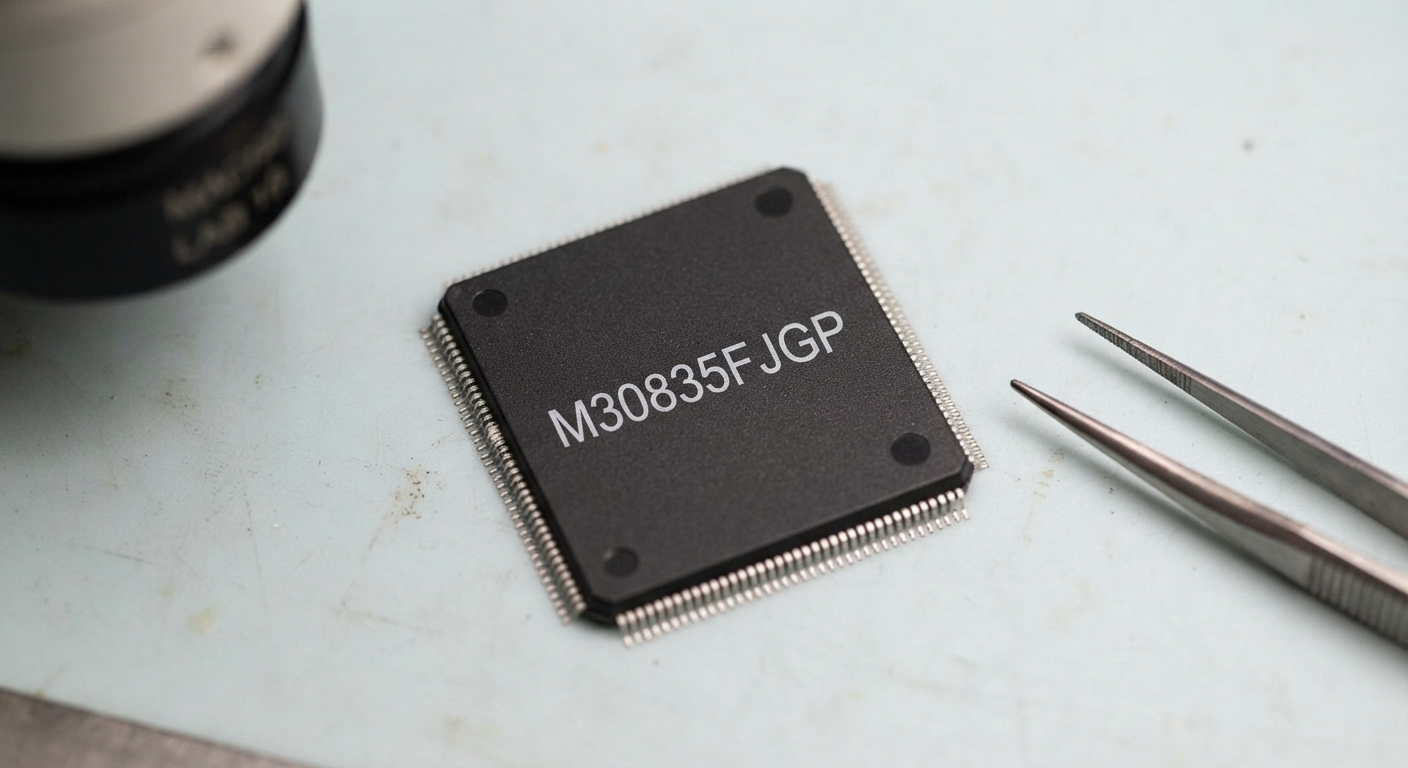
Discover Chip Renesas M30835FJGP
The Renesas M30835FJGP is a 16-bit embedded microcontroller associated with the Renesas M16C family, a series widely used for dedicated control and embedded processing applications. Designed to combine a CPU core with integrated memory, timers, communication interfaces, input/output functions, and other peripherals, this type of MCU can perform the control tasks required by sophisticated electronic equipment without relying on a separate processor.
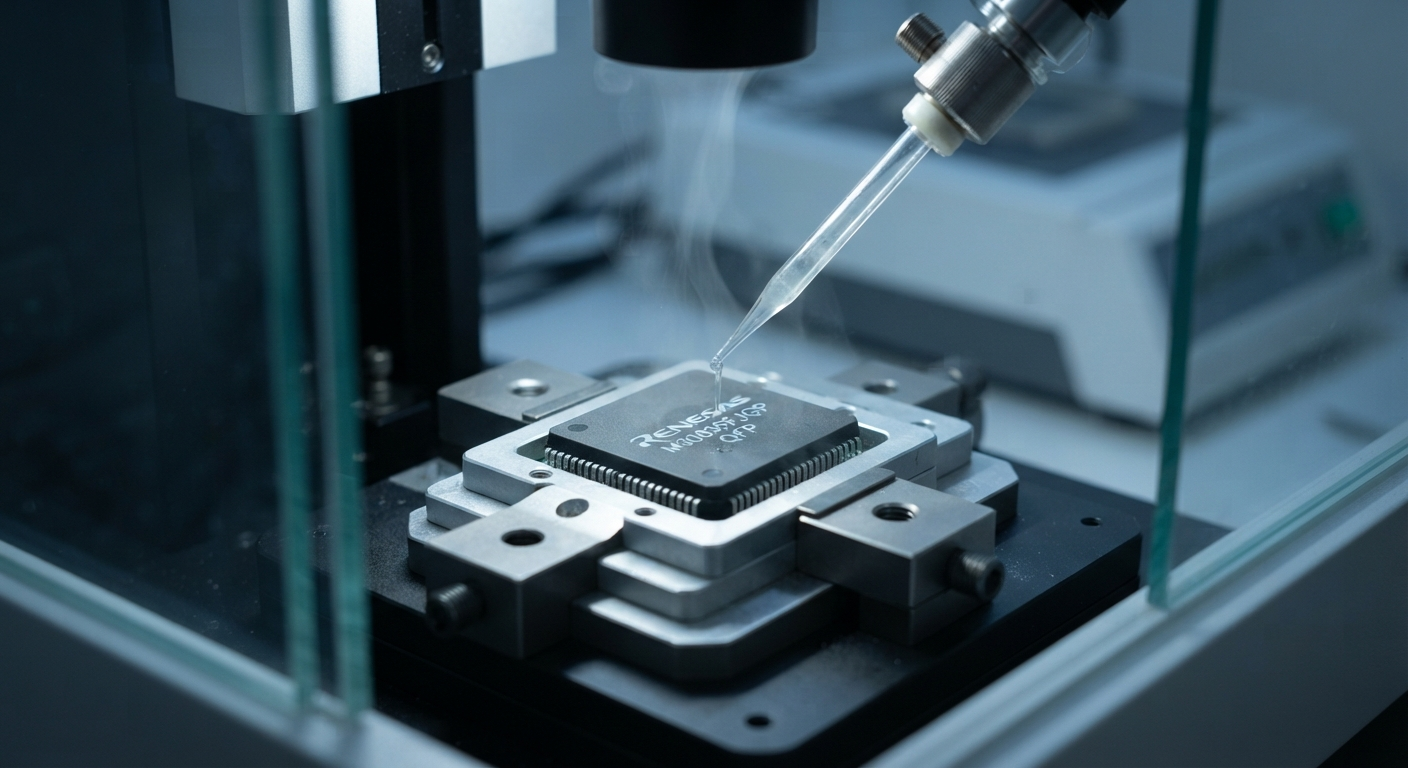
The M30835FJGP can be encountered in industrial controllers, factory automation equipment, measuring instruments, automotive and transportation electronics, consumer products, communication devices, motor-control systems, and other specialized embedded platforms. For equipment manufacturers and maintenance engineers, the MCU itself is only one part of the system—the program stored in its internal memory determines how the surrounding hardware operates. Consequently, an original programmed M30835FJGP can contain valuable product-specific information that may be difficult to replace if the original development files are no longer available.
We can Discover Chip Renesas M30835FJGP, please view the MCU IC chip features for your reference:
The M32C/83 Group (M32C/83, M32C/83T) microcomputer is a single-chip control unit that utilizes high performance silicon gate CMOS technology with the M32C/80 Series CPU core. The M32C/83 Group (M32C/83, M32C/83T) is available in 144-pin and 100-pin plastic molded LQFP/QFP packages. With a 16-Mbyte address space, this microcomputer combines advanced instruction manipulation capabilities to process complex instructions by less bytes and execute instructions at higher speed.
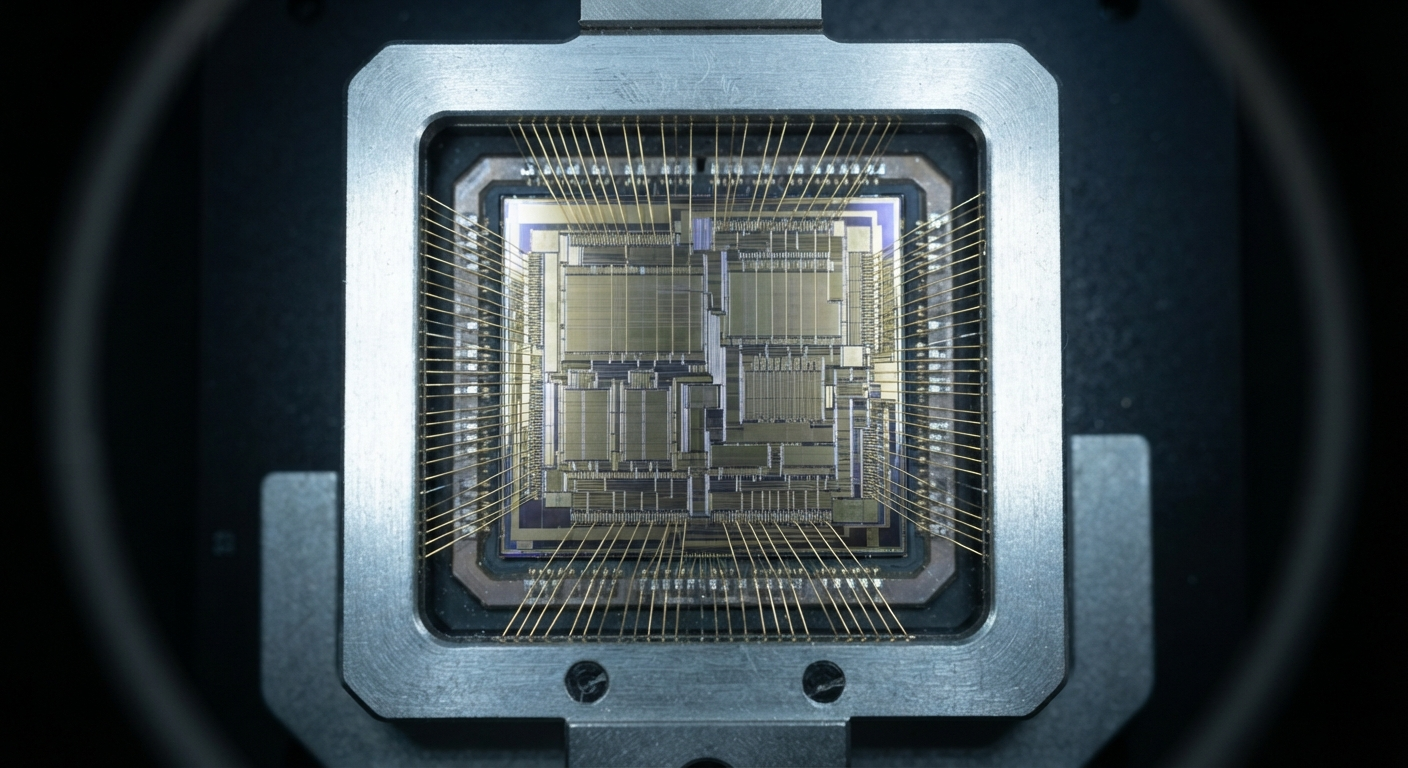
It includes a multiplier and DMAC adequate for office automation, communication devices and industrial equipments, and other high-speed processing applications. Characteristic
|
Characteristic | |||
| M32C/83 |
M32C/83T | ||
|
CPU |
Basic Instructions |
108 instructions | |
| Minimum Instruction Execution Time |
(3) 31.3 ns (f(BCLK)=32 MHz, VCC=4.2 to 5.5 V) 50 ns (f(BCLK)=20 MHz, VCC=3.0 to 5.5 V) |
(3) 31.3 ns (f(BCLK)=32 MHz, VCC=4.2 to 5.5 V) | |
| Operating Mode |
Single-chip mode, Memory expansion mode and Microprocessor mode |
Single-chip mode | |
| Address Space |
16 Mbytes | ||
| Memory Capacity |
See Table 1.3 | ||
|
Peripheral Function |
I/O Port |
123 I/O pins and 1 input pin | |
| Multifunction Timer |
Timer A: 16 bits x 5 channels, Timer B: 16 bits x 6 channels | ||
| Intelligent I/O |
Time measurement function: 16 bits x 12 channels Waveform generating function: 16 bits x 28 channels Communication function (Clock synchronous serial I/O, Clock asynchronous se- rial I/O, HDLC data processing, Clock synchronous variable length serial I/O, (1) IEBus , 8-bit or 16-bit Clock synchronous serial I/O) | ||
| Serial I/O |
5 Channels (1) 2 (2) Clock synchronous serial I/O, Clock asynchronous serial I/O, IEBus , I C bus | ||
| CAN Module |
1 channel Supporting CAN 2.0B specification | ||
| A/D Converter |
10-bit A/D converter: 2 circuit, 34 channels | ||
| D/A Converter |
8 bits x 2 channels | ||
| DMAC |
4 channels | ||
| DMAC II |
Can be activated by all peripheral function interrupt sources Immediate transfer, Calculation transfer and Chain transfer functions | ||
| DRAM |
CAS before RAS refresh, Self-reflesh, EDO, EP | ||
| CRC Calculation Circuit |
CRC-CCITT | ||
| X/Y Converter |
16 bits x 16 bits | ||
| Watchdog Timer |
15 bits x 1 channel (with prescaler) | ||
| Interrupt |
42 internal and 8 external sources, 5 software sources, Interrupt priority level: 7 | ||
| Clock Generation Circuit |
4 circuits Main clock oscillation circuit(*), Sub clock oscillation circuit(*), On-chip oscillator, PLL frequency synthesizer (*)Equipped with a built-in feedback resistor. Ceramic resonator or crystal oscilla- tor must be connected externally | ||
| Oscillation Stop Detect Function |
Main clock oscillation stop detect function | ||
|
Electrical Charact- eristics |
Supply Voltage |
4.2 to 5.5 V (f(BCLK)=32 MHz) 3.0 to 5.5 V (f(BCLK)=20 MHz, through VDC) 3.0 to 3.6 V (f(BCLK)=20 MHz, not through VDC) |
4.2 to 5.5 V (f(BCLK)=32 MHz) |
| Power Consumption |
41 mA (VCC=5 V, f(BCLK)=32 MHz) 38 mA (VCC=5 V, f(BCLK)=30 MHz) 26 mA (VCC=3.3 V, f(BCLK)=20 MHz) 470 µA (VCC=5 V, f(XCIN)=32 kHz, in wait mode) 340 µA (VCC=3.3 V, f(XCIN)=32 kHz, through VDC, in wait mode) 5.0 µA (VCC=3.3 V, f(XCIN)=32 kHz, not through VDC, in wait mode) 0.4 µA (VCC=5 V, stop mode) 0.4 µA (VCC=3.3 V, stop mode) |
41 mA (VCC=5 V, f(BCLK)=32 MHz) 38 mA (VCC=5 V, Vf(BCLK)=30 MHz) 470 µA (VCC=5 V, f(XCIN)=32 kHz, in wait mode) 0.4 µA (VCC=5 V, stop mode) | |
|
Flash Memory |
Program/Erase Supply Voltage |
3.3 ± 0.3 V or 5.0 ± 0.5 V |
5.0 ± 0.5 V |
| Program and Erase Endurance |
100 times | ||
|
Operating Ambient Temperature |
o o –20 to 85 C, –40 to 85 C (optional) |
o –40 to 85 C (T version) | |
|
Package |
144-pin plastic molded LQFP | ||
When an electronic product has been operating for many years, its original firmware may become just as important as the physical circuit board. Development computers can be replaced, programming archives can disappear, and manufacturers may discontinue older product lines, leaving engineers with hardware but without the original software needed to program a replacement MCU. A programmed M30835FJGP may also have memory protection enabled, making ordinary programming equipment unable to access the stored contents.
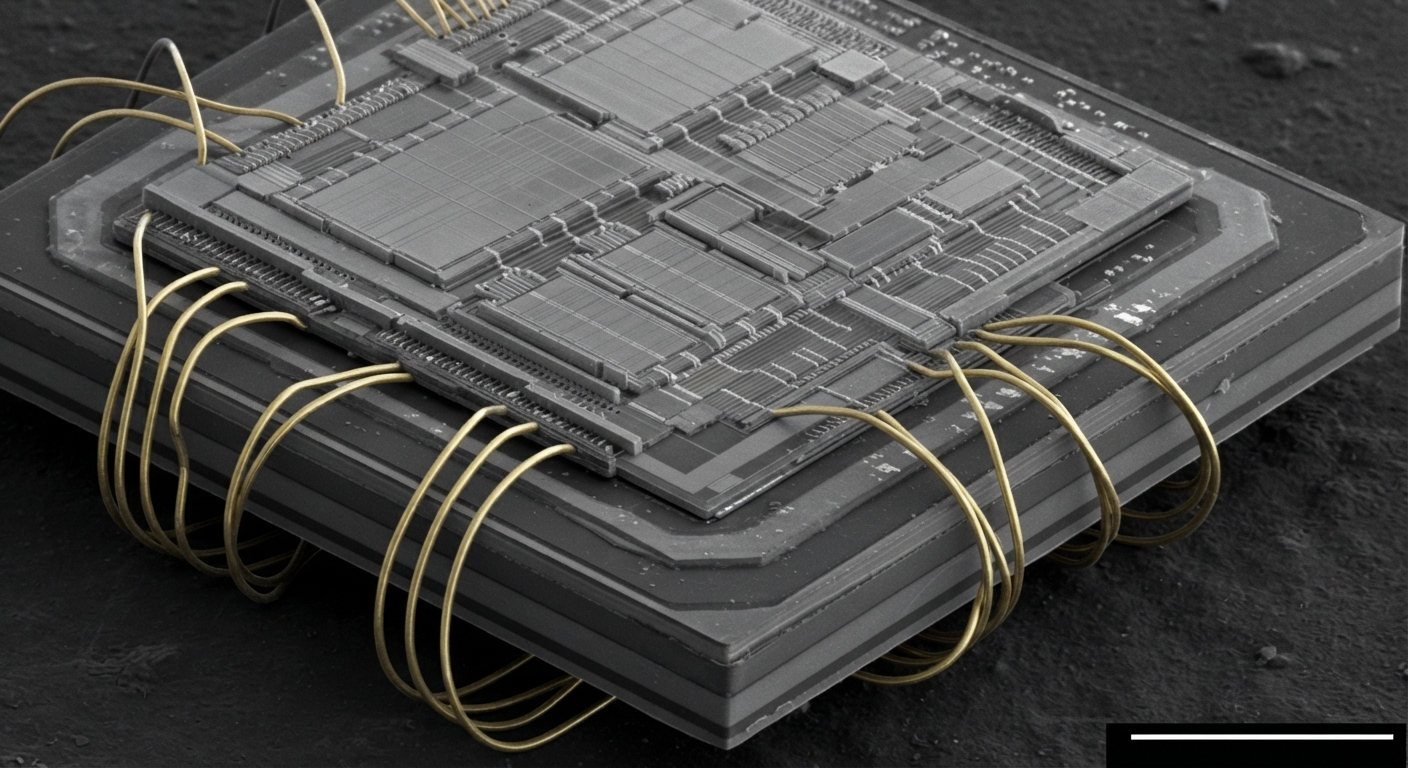
For authorized repair, refurbishment, manufacturing, product migration, and long-term maintenance, recovering the original firmware can provide a practical way to preserve the functionality of existing equipment. Instead of rebuilding an embedded control program from zero, engineers may be able to use a recovered programming image as a reference or backup. Whether recovery is possible depends on the specific chip, its configuration, physical condition, protection settings, and the interfaces available on the target equipment.
|
Characteristic |
Performance | ||||||
| M32C/83 |
M32C/83T | ||||||
|
Basic Instructions |
108 instructions | ||||||
|
Minimum Instruction Execution Time |
31.3 ns (f(BCLK) = 32 MHz, VCC = 4.2 to 5.5 V) 50 ns (f(BCLK) = 20 MHz, VCC = 3.0 to 5.5 V) |
31.3 ns (f(BCLK) = 32 MHz, VCC=4.2 to 5.5 V) | |||||
|
Operating Mode |
Single-chip mode, Memory expansion mode and Microprocessor mode |
Single-chip mode | |||||
|
Address Space |
16 Mbytes | ||||||
|
Memory Capacity |
See Table 1.3 | ||||||
|
I/O Port |
87 I/O pins and 1 input pin | ||||||
|
Multifunction Timer |
Timer A: 16 bits x 5 channels, Timer B: 16 bits x 6 channels Three-phase motor control circuit | ||||||
|
Intelligent I/O |
Time measurement function: 16 bits x 5 channels Waveform generating function: 16 bits x 10 channels Communication function (Clock synchronous serial I/O, Clock asynchronous se- rial I/O, HDLC data processing, Clock synchronous variable length serial I/O, (1) IEBus ) | ||||||
|
Serial I/O |
5 Channels (1) 2 (2) Clock synchronous serial I/O, Clock asynchronous serial I/O, IEBus , I C bus | ||||||
|
CAN Module |
1 channel Supporting CAN 2.0B specification | ||||||
|
A/D Converter |
10-bit A/D converter: 2 circuits, 26 channels | ||||||
|
D/A Converter |
8 bits x 2 channels | ||||||
|
DMAC |
4 channels | ||||||
|
DMAC II |
Can be activated by all peripheral function interrupt sources Immediate transfer, Calculation transfer and Chain transfer functions | ||||||
|
CRC Calculation Circuit |
CRC-CCITT | ||||||
|
X/Y Converter |
16 bits x 16 bits | ||||||
|
Watchdog Timer |
15 bits x 1 channel (with prescaler) | ||||||
|
Interrupt |
42 internal and 8 external sources, 5 software sources Interrupt priority level: 7 | ||||||
|
Clock Generation Circuit |
4 circuits Main clock oscillation circuit(*), Sub clock oscillation circuit(*), On-chip oscillator, PLL frequency synthesizer (*)Equipped with a built-in feedback resistor. Ceramic resonator or crystal oscillator must be connected externally | ||||||
|
Oscillation Stop Detect Function |
Main clock oscillation stop detect function | ||||||
|
Supply Voltage |
4.2 to 5.5 V (f(BCLK)=32 MHz) 3.0 to 5.5 V (f(BCLK)=20 MHz, through VDC) 3.0 to 3.6 V (f(BCLK)=20 MHz, not through VDC) |
4.2 to 5.5 V (f(BCLK)=32 MHz) | |||||
|
Power Consumption |
41 mA (VCC=5 V, f(BCLK)=32 MHz) 38 mA (VCC=5 V, f(BCLK)=30 MHz) 26 mA (VCC=3.3 V, f(BCLK)=20 MHz) 470 µA (VCC=5 V, f(XCIN)=32 kHz, in wait mode) 340 µA (VCC=3.3 V, f(XCIN)=32 kHz, through VDC, in wait mode) 5.0 µA (VCC=3.3 V, f(XCIN)=32 kHz, not through VDC, in wait mode) 0.4 µA (VCC=5 V, stop mode) 0.4 µA (VCC=3.3 V, stop mode) |
41 mA (VCC=5 V, f(BCLK)=32 MHz) 38 mA (VCC=5 V, Vf(BCLK)=30 MHz) 470 µA (VCC=5 V, f(XCIN)=32 kHz, in wait mode) 0.4 µA (VCC=5 V, stop mode) | |||||
|
Program/Erase Supply Voltage |
3.3 ± 0.3 V or 5.0 ± 0.5 V |
5.0 ± 0.5 V | |||||
|
Program and Erase Endurance |
100 times | ||||||
|
Operating Ambient Temperature |
o o –20 to 85 C, –40 to 85 C (optional) |
o –40 to 85 C (T version) | |||||
|
Package |
100-pin plastic molded LQFP/QFP | ||||||
470 µA (VCC=5 V, f(XCIN)=32 kHz,
in wait mode)
0.4 µA (VCC=5 V, stop mode)
Flash
Memory
Program/Erase Supply Voltage
3.3 ± 0.3 V or 5.0 ± 0.5 V
5.0 ± 0.5 V
Flash
Memory Program and Erase Endurance
100 times
Operating Ambient Temperature
–20 to 85 C, –40 to 85 C (optional)
–40 to 85 C (T version)
Package
Recovering information from a protective, secured, encrypted, or locked microcontroller requires a technical assessment of the target device and its memory configuration. Specialists first identify the firmware, source code, data, software, memory, archive, flash, eeprom, microcontroller, microprocessor, MCU, chip, or IC involved and determine how the M30835FJGP is connected to the original hardware. Depending on the protection condition and authorized recovery requirements, appropriate tools and techniques may be used to crack, unlock, replicate, copy, dump, decrypt, or readout accessible information from the device.
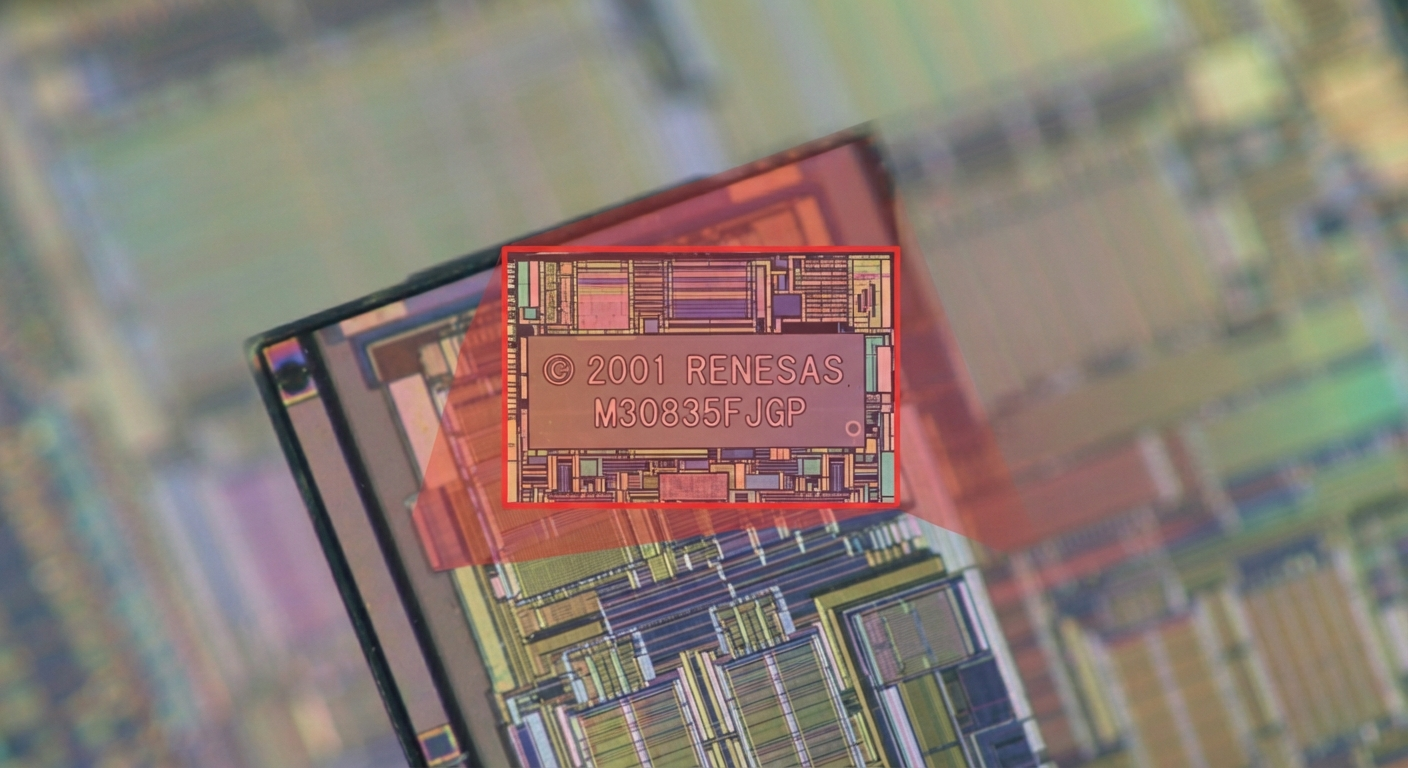
The work can include identifying programming and debugging interfaces, examining device configuration, evaluating memory protection, checking communication paths, and determining whether a complete or partial firmware image can be obtained. An unprotected device may permit a relatively straightforward readout, while a locked device can require considerably more specialized analysis. Some protection configurations may also make complete recovery impossible. For this reason, the correct approach is to evaluate the actual M30835FJGP and its surrounding circuit before selecting a firmware recovery method.
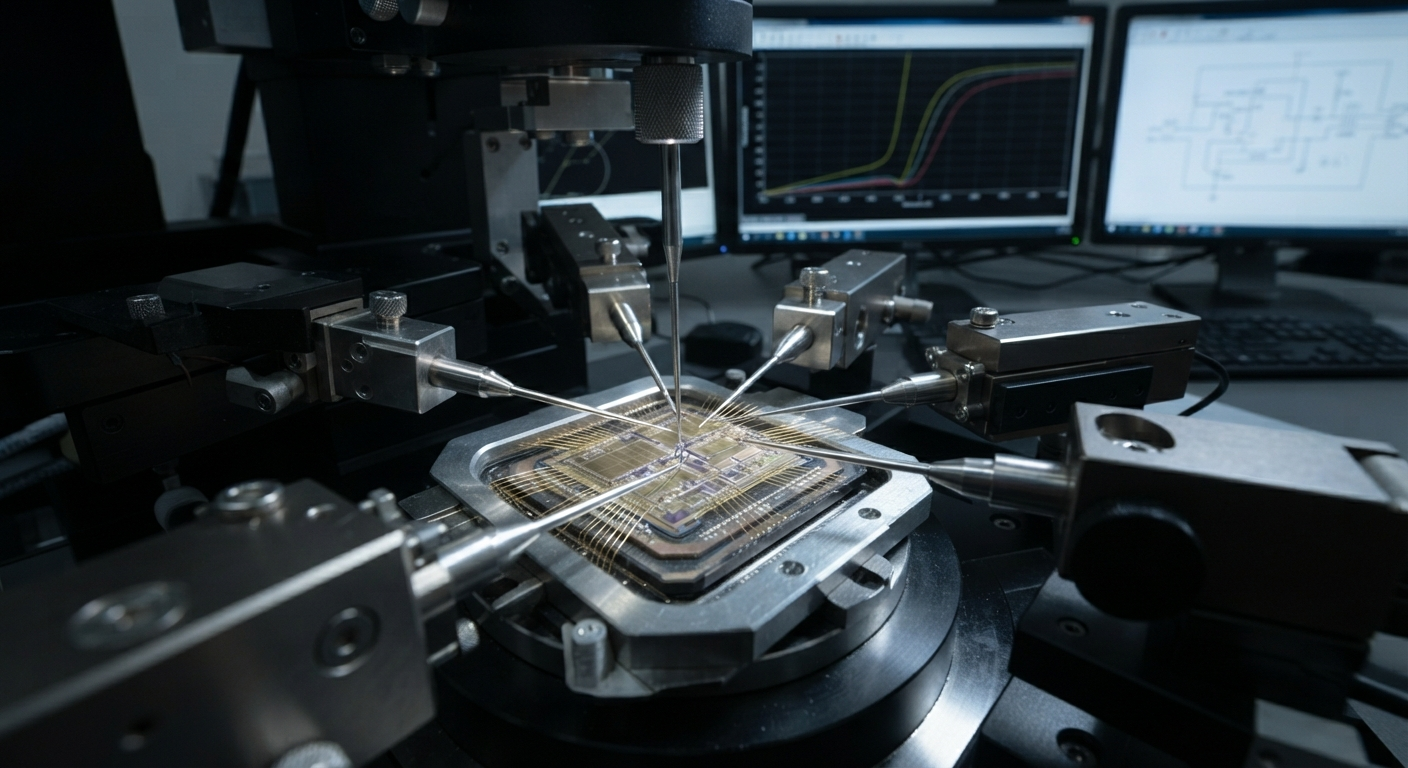
Our Renesas M30835FJGP firmware recovery service is intended for authorized customers who need to preserve important software from existing electronic equipment. We can assist with MCU identification, chip inspection, memory and protection assessment, programming-interface analysis, firmware recovery evaluation, and preparation of recovered programming data where technically feasible. This service can be valuable for manufacturers maintaining legacy products, repair companies restoring discontinued equipment, engineering teams reproducing obsolete control boards, and end users who need to keep critical electronic systems operational.
We understand that every recovery project is different, so our engineers evaluate the actual M30835FJGP, PCB design, chip condition, available documentation, and protection configuration before recommending a solution. If you have a Renesas M30835FJGP-based board and need to recover its original firmware or programming data, you can provide the chip marking, PCB photographs, equipment information, and any existing programming files for an initial technical assessment.